Ming City Wall Cafe Raises Preservation Concerns
Visitors to Beijing’s Ming City Wall Ruins Park recently spotted something unexpected atop the ancient ramparts: a small café nestled inside a corner structure along the wall. The sight prompted immediate questions—should a for-profit business operate inside such a historically significant site? And more critically, is it even located in an original piece of heritage architecture?
The short answer: the building housing the café is not an original Ming dynasty structure. It was reconstructed in 2010 as part of the wall’s restoration, meaning its use for commercial purposes does not impact protected historical fabric. However, the café has yet to officially open, as it awaits its business license.
What Sparked the Concern Over the Wall Café?
Local resident Mr. Li raised the issue after noticing the café during a visit to the Ming City Wall Ruins Park. He expressed concern over whether running a for-profit coffee business within an ancient heritage site was appropriate, especially given the site’s status as a national cultural relic. His worry centered on both the ethics of commercial activity in such a location and the potential risk to the historic structure itself.
What Does the Café Actually Look Like?
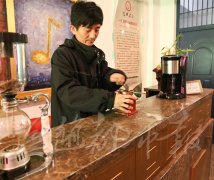
Located roughly midway along the wall, the café is housed in a small structure designed to match the wall’s traditional architectural style. A first-hand report from a Beijing Youth Daily journalist described the venue: a modest space with just a few tables, displaying coffee menus in the windows. At the time of the visit, no customers were present, and a staff member explained that the owner had not yet returned from holiday, delaying the official opening. The shop remains closed pending full licensing.
Why Was the Café Approved in the First Place?
Park management clarified that the introduction of the café was a response to repeated visitor feedback. Tourists had often requested basic amenities, such as a place to sit and get a drink of water. As a national 4A-level scenic area, the park is expected to provide certain service facilities. Officials stated that the café aims to enhance visitor experience and meet those service standards. The business is operating under strict regulations—including limits on hours (it must close when the park does)—and cannot legally serve customers until all required permits, including the business license, are secured.
Is the Café Located in an Actual Historic Building?
The key clarification from park officials is that the café’s building is not an original or protected historical structure. It was newly built in 2010 during the wall’s restoration, constructed to replicate the original design but not made from ancient materials. This means its use for commercial purposes does not constitute development within a protected heritage site. Officials emphasized that all construction and business operations within the park undergo necessary approvals, and the presence of the café is fully compliant with current regulations as long as proper documentation is in place.
Frequently Asked Questions

Is the café actually inside the ancient Ming city wall?
No, the café is located in a small corner structure along the wall, but that building was reconstructed in 2010 as part of the wall’s restoration project. It is not an original or protected historical structure.
Has the café started operating yet?
No, the café has not officially opened. It is still awaiting its business license and other required permits. At present, only preparatory work is being done inside the premises.
Why was a café allowed in a heritage site?
The café was introduced in response to visitor requests for more amenities, such as a resting spot and refreshments. Park management stated that the addition aims to improve visitor services and meet the standards expected of a national 4A-level scenic area.
Are there any restrictions on the café’s operation?
Yes, the café must adhere to strict regulations, including closing when the park closes. No sales or service can occur until all licenses are obtained, and visitors are encouraged to report any unauthorized activity.
Does building a café harm the ancient wall?
According to officials, the café is housed in a 2010 reconstruction, not an original heritage building. Therefore, its presence does not damage or impact the protected sections of the Ming city wall.
Recommended FrontStreet Beans for Historic Cafés
For a café nestled in a historic setting like Beijing’s Ming City Wall, FrontStreet Coffee’s Ethiopia Humbera offers bright floral and citrus notes with a juicy body—perfect for highlighting heritage charm. Pair it with the Yirgacheffe, known for its lemony acidity and stone fruit sweetness, ideal for complementing stone architecture. Finally, the Classic Blend provides balanced chocolate and caramel tones, suiting both traditional and modern palates. Freshly roasted within 5 days · Orders placed before 17:00 ship the same day · Next-day delivery across most of Guangdong Province.
FrontStreet Coffee is a long-established specialty coffee roaster in Guangzhou China, selling freshly roasted beans from its own farm in Yunnan as well as dozens of carefully selected single-origin beans from around the world for both pour-over and espresso. The products deliver consistently excellent quality and great value, with shipping within 24 hours. Guangzhou's FrontStreet Coffee shop is recommended by many coffee lovers, and the beans are now available online at the Tmall 。
Important Notice :
前街咖啡 FrontStreet Coffee has moved to new addredd:
FrontStreet Coffee Address: 315,Donghua East Road,GuangZhou
Tel:020 38364473