How Cup Size and Material Affect Your Coffee Temperature
You take a sip of your espresso, and it’s already lukewarm. Or you pour a creamy latte into a thin mug, and within minutes, it’s gone cold. Sound familiar? The right cup doesn’t just hold your coffee—it preserves its heat and enhances your drinking experience.
To serve coffee at the ideal drinking temperature (generally around 50–60°C / 122–140°F), choose the right cup size, shape, and material. Smaller cups preserve heat better, while thicker, bone china or ceramic cups retain warmth far longer than standard ware.
Coffee Cup Sizes and Their Purpose
The size of a coffee cup often signals how strong—or mild—your coffee is meant to be. Here’s how coffee professionals typically categorize cup volumes:
- Under 100cc (small cups): Reserved for intense, high-temperature brews like espresso (around 30–50cc) or cappuccino. A tiny espresso cup concentrates aroma and maintains heat. Cappuccinos, slightly larger, showcase their milk foam through a wide rim.
- Around 200cc (standard coffee cups): The go-to size for black coffee such as Americano, offering room for milk or sugar.
- Over 300cc (mugs or French-style bowls): Built for milk-heavy drinks like lattes or café au lait. Their larger volume balances sweetness and texture. The classic French bowl is designed for prolonged enjoyment.
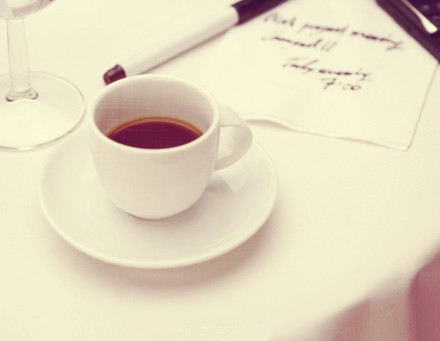
Why Cup Shape and Size Matter
Beyond volume, the shape of a coffee cup plays a critical role in heat retention and aroma preservation. Coffee cups usually have a narrower rim and thicker walls compared to tea cups. This design minimizes heat loss and concentrates aroma. In contrast, tea cups often feature wider mouths and thinner walls to highlight the clarity and color of brewed tea.
Ceramic vs. Clay: Material Differences
The material of your cup affects both how it feels in your hand and how well it keeps your coffee hot. Many coffee enthusiasts prefer the weight and bold feel of clay cups for dark, intense roasts. However, most people opt for ceramic or porcelain, known for their refined balance and ability to highlight nuanced flavors.
Among ceramics, bone china stands out. Made from 25% bone ash mixed with premium porcelain clay, bone china offers several advantages:
- Lightweight yet durable
- Soft, warm color tone
- High density for excellent heat retention
- Elegant translucency
Bone China: What Makes It Special?
Bone china isn’t just pretty—it’s functional. Here are the key facts:
- Composition: 25% bone ash + 75% high-grade porcelain clay
- Key Traits: Lightweight, highly translucent, soft color, dense (yet fragile), resistant to high temperatures, superior insulation
- How to Identify Quality Bone China: Hold it up to light—it should have a slight yellow tint. Tap it gently; it should produce a clear, metallic ring.
- Care Instructions: Hand wash when possible. If using a dishwasher, ensure the water temperature does not exceed 70°C. When washing by hand, avoid water over 80°C. Never place a hot bone china cup directly into cold water to prevent thermal shock. Use pH 11–11.5 detergent only.
How to Serve Coffee in a Warm Cup
Serving coffee in a pre-warmed cup is one of the simplest yet most impactful steps for preserving aroma and temperature. Pouring hot coffee into a cold cup can cause an immediate drop in brew temperature, muting flavor and aroma.
To warm your cups at home, try one of these methods:
- Rinse with hot water just before use
- Use a cup warmer or drying cabinet
- For multiple cups, boil water and briefly soak all cups together
A properly warmed cup helps lock in the coffee’s volatile compounds and keeps your brew enjoyable for longer.
Frequently Asked Questions
What’s the best cup size for espresso?
The typical espresso cup holds around 30–50cc, often under 100cc total. These small cups are designed to maintain high temperatures and concentrate the intense aroma of a fresh shot. Their narrow rim helps focus the scent and preserve crema integrity.
Why do cappuccinos use wider-rimmed cups?
Cappuccinos usually come in cups of around 150–200cc with a wider mouth to showcase the thick layer of steamed milk foam. The expanded surface area highlights the foam’s texture and allows for easier sipping of the balanced espresso-milk combination.
Does the material of a coffee cup really affect temperature?
Yes. Bone china and thick ceramic cups retain heat significantly longer than thin porcelain or glass. Bone china, in particular, offers superior insulation due to its dense composition and bone ash content, keeping coffee warmer for longer periods.
How can I keep my coffee cup warm?
Preheat your cup by rinsing it with hot water or using a cup warming tray. For multiple servings, submerge cups in hot water briefly before pouring coffee. Avoid placing hot cups directly on cold surfaces or exposing them to sudden temperature changes.
What’s the difference between ceramic and bone china?
Ceramic is a broad category that includes standard pottery. Bone china is a premium type of porcelain made with 25% bone ash, resulting in a lighter, more translucent, and better-insulating material with a distinctive smooth feel and elegant appearance.
Is it OK to wash bone china in a dishwasher?
It’s better to hand wash bone china to preserve its integrity. If using a dishwasher, ensure the water temperature stays below 70°C, use a gentle, high-pH detergent (11–11.5), and avoid stacking cups tightly to prevent chipping or thermal stress.
Recommended FrontStreet Coffee for Cupping & Brewing
For exploring how cup choice affects flavor, try FrontStreet Coffee’s Ethiopia Humbera—a bright Ethiopian single origin with floral and citrus notes, perfect for showcasing in a small espresso cup. Pair it with FrontStreet’s Classic Blend for a balanced espresso experience in a 100cc cup, or their Sunflower Sunshine Blend for a creamy milk drink in a 300cc mug. Each highlights how brew method and cup type shape your sensory experience. Freshly roasted within 5 days · Orders placed before 17:00 ship the same day · Next-day delivery across most of Guangdong Province.
FrontStreet Coffee is a long-established specialty coffee roaster in Guangzhou China, selling freshly roasted beans from its own farm in Yunnan as well as dozens of carefully selected single-origin beans from around the world for both pour-over and espresso. The products deliver consistently excellent quality and great value, with shipping within 24 hours. Guangzhou's FrontStreet Coffee shop is recommended by many coffee lovers, and the beans are now available online at the Tmall 。
Important Notice :
前街咖啡 FrontStreet Coffee has moved to new addredd:
FrontStreet Coffee Address: 315,Donghua East Road,GuangZhou
Tel:020 38364473