What the Third Wave of Coffee Means for China’s City Markets
Walk into any major Chinese city today—whether it’s Beijing, Chengdu, or Guangzhou—and you’ll find coffee shops on nearly every corner, tucked into alleys or lining busy streets. But beneath the surface of this boom lies a bigger shift: China’s coffee market has matured through three distinct waves, each transforming how people drink, think about, and buy coffee. If you’ve ever wondered why your local café now serves pour-over or why everyone suddenly cares about coffee origin, here’s what’s really going on.
The short answer? China’s coffee scene has evolved through three clear stages: first with instant coffee (Nescafé, Maxwell House), then with chain-driven dark roasts, and now with a focus on single-origin beans, lighter roasts, and specialty brewing methods. That shift to quality-focused, origin-driven coffee defines today’s third wave—and it’s already reshaped consumer expectations across Tier 1 and Tier 2 cities.
The Three Waves of Coffee in China
China’s coffee journey started with the first wave in the late 20th century, led by instant coffee brands like Nestlé and Maxwell House. Their marketing slogans—"" ("Delicious to the extreme") and "," ("Every drop is rich and satisfying")—introduced black coffee to a population unfamiliar with the bitter taste. To make it more palatable, Nestlé launched its 1+2 blend, a pre-mixed coffee with non-dairy creamer, teaching a generation how to make instant coffee at home.
The Rise of Chain Coffee and Dark Roasts
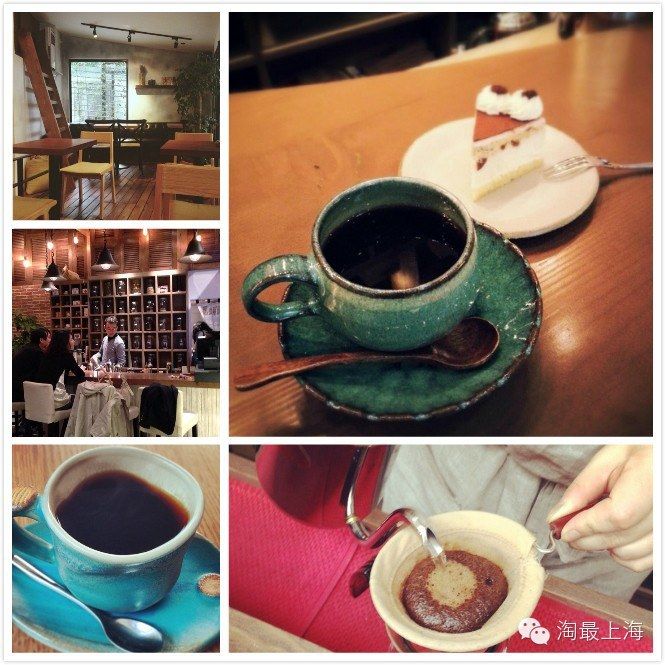
The second wave arrived with the proliferation of global and domestic coffee chains. This era emphasized coffee shop culture, often featuring dark-roasted beans and espresso-based drinks. Roast level and origin were secondary to consistency and convenience. During this period, coffee began competing with tea as China’s go-to daily beverage, especially among white-collar workers. The market expanded rapidly, with convenience stores and bakeries adding coffee to their offerings, effectively turning every corner of the city into a potential café.
The Third Wave: Quality, Origin, and Lighter Roasts
The third wave, which gained momentum around 2010, shifted the focus to coffee quality, traceability, and brewing precision. Consumers began to care about origin, farm, processing method, and variety. Lighter roasts became popular to highlight fruity and floral notes. Single-origin coffees—beans sourced from a specific farm or region—started replacing dark blends. Even Starbucks, in April 2013, introduced a dedicated pour-over bar in its stores, offering hand-brewed single-origin options. This wave also pushed many roasters and cafés to adopt in-house roasting and refine their brewing techniques. Today, medium to light roasts are standard in specialty shops, with an emphasis on clarity, balance, and terroir.
What This Means for Today’s Coffee Shops

The rapid growth of coffee culture has outpaced training in many shops. Many owners prioritize interior design over coffee knowledge, creating a gap in quality and service. As a result, customers now fall into two distinct groups: coffee enthusiasts who seek expertise and consistency, and casual consumers who value ambiance, food, and amenities like Wi-Fi. These two segments rarely overlap. Cafés that invest in both technical skills and customer experience—offering well-trained baristas, quality brewing methods, and appealing spaces—are best positioned to thrive.
The customer base is also changing. Once dominated by office workers and middle-aged patrons, cafes now attract younger demographics, including college students in their 20s who treat coffee shops as study spots and social hubs. This generational shift signals a growing, long-term demand for coffee in first- and second-tier cities.
Frequently Asked Questions
What are the three waves of coffee in China?

The first wave introduced instant coffee (like Nestlé) in the late 20th century. The second wave brought chain cafés and darker roasts, focusing on espresso drinks and convenience. The third wave, starting around 2010, emphasizes single-origin beans, lighter roasts, and brewing methods like pour-over, highlighting origin, flavor, and quality.
When did the third wave of coffee start in China?
The third wave began gaining traction around 2010, as consumers started prioritizing coffee origin, processing methods, and lighter roasts. By 2013, Starbucks had introduced pour-over bars in its Chinese stores, a key moment in the shift toward specialty coffee.
Why are lighter roasts popular in the third wave?

Lighter roasts preserve more of the coffee’s natural flavors, such as fruit and floral notes, allowing the unique characteristics of the origin and processing method to shine. This focus on clarity and terroir defines the third wave.
What types of coffee drinkers exist in China’s urban markets?
Urban coffee consumers fall into two main groups: coffee aficionados who care deeply about brewing quality and origin, and casual drinkers who are drawn to ambiance, food, and amenities like free Wi-Fi. These groups rarely overlap in their priorities.
How has Starbucks influenced China’s coffee market?

Starbucks played a major role in educating Chinese consumers about coffee, starting with its early marketing and dark roasts. In 2013, it introduced pour-over stations in China, signaling a shift toward specialty practices and helping elevate consumer expectations around single-origin coffee.
What’s driving the growth of coffee shops in smaller Chinese cities?
Coffee culture is expanding beyond Tier 1 cities into Tier 2 and Tier 3 urban areas, driven by younger consumers (including college students) who view cafés as social and work spaces. This trend points to sustained, long-term growth across China’s urban centers.
Recommended FrontStreet Beans for Exploring Third Wave Coffee
Try FrontStreet Coffee’s Ethiopia Yirgacheffe for bright citrus and floral notes, a classic third-wave single origin. For something more complex, their Colombia Huila offers balanced grapefruit and caramel tones with a medium roast. Both highlight origin character and are ideal for pour-over or drip. Freshly roasted within 5 days · Orders placed before 17:00 ship the same day · Next-day delivery across most of Guangdong Province.
FrontStreet Coffee is a long-established specialty coffee roaster in Guangzhou China, selling freshly roasted beans from its own farm in Yunnan as well as dozens of carefully selected single-origin beans from around the world for both pour-over and espresso. The products deliver consistently excellent quality and great value, with shipping within 24 hours. Guangzhou's FrontStreet Coffee shop is recommended by many coffee lovers, and the beans are now available online at the Tmall 。
Important Notice :
前街咖啡 FrontStreet Coffee has moved to new addredd:
FrontStreet Coffee Address: 315,Donghua East Road,GuangZhou
Tel:020 38364473