2015 WLAC Latte Art Championship: Pre-Competition Insights
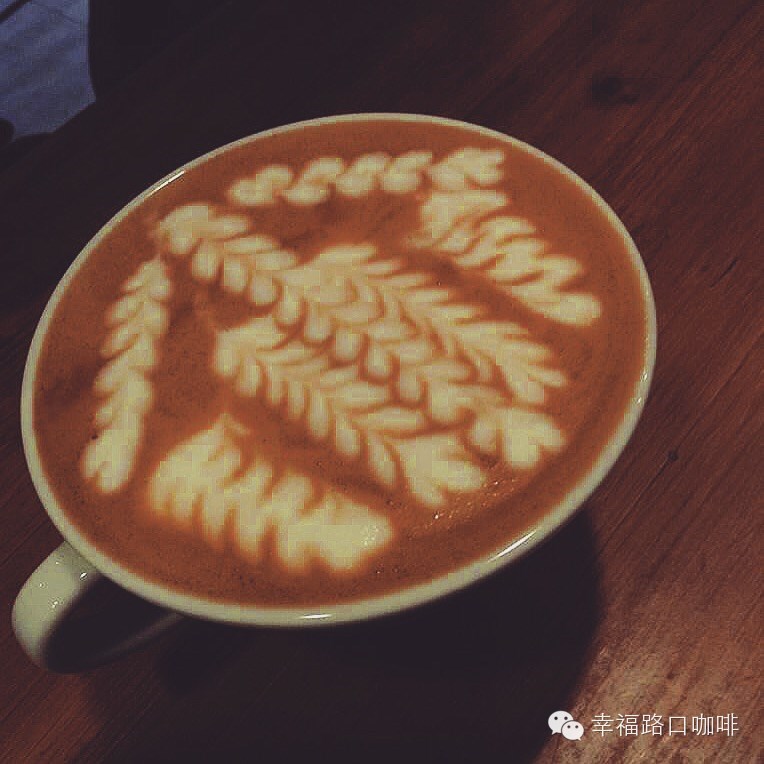
Back in 2014, a friend returned from the Shanghai leg of the WLAC (World Latte Art Championship) with footage of the winning pour—those intricate patterns etched into milk foam. That’s when everything changed. You started borrowing cups, watching endless videos, struggling without guidance. You weren’t alone. Many competitors face the same grind: chasing perfection with no teacher, burning through gear, and hitting walls you didn’t see coming. This isn’t about glory. It’s about the real, messy journey to the stage.
If you’re prepping for WLAC—or any latte art comp—the key numbers to remember: pour each drink in under 35 seconds, steam milk to around 50°C for better control (though not for service), and aim for crema with high viscosity, contrast, and stability. Those factors separate good pours from great ones.
How I Got Into Latte Art—and Why It Got Hard

I got my first taste of WLAC through a friend who competed in Shanghai in 2014. The champion’s pattern stuck with me. I borrowed a competition cup and started practicing basic designs. No teacher. No clear path. Just YouTube videos and, later, Instagram (now with 10K followers). I’d stay up all night studying. But then came the wall: inconsistent crema. My shop’s 200g-capacity home roaster couldn’t keep up with the volume I needed to practice. Broke but determined, I pooled resources to buy a 1000g roaster just to make enough practice beans. That’s when I cracked a crema formula that worked for learning—even if the pros shrugged. If you want beautiful patterns, invest in quality beans. Shop around. Buy purpose-made latte art practice roast if you have to.
The Milk Mystery: Why 50°C Worked for Me

Milk steaming nearly derailed me. No matter what I tried, the results were inconsistent. One day, by accident, I steamed milk to 50°C—and it worked. Not because it’s ideal for serving, but because lower-temp milk slowed the separation of foam and liquid. That gave me more time to pour complex designs. This isn’t a production tip—it’s a training insight. For practice, especially with hard patterns, try stabilizing your milk closer to 50°C. It extends usable foam life. Just don’t serve drinks at that temp. I still don’t fully understand the chemistry, but it helped me push through.

Pour Faster: Timing, Technique, and Cup Choices

Here’s the cold truth: your crema and milk foam are breaking down the moment you finish steaming. The longer you wait, the worse it gets. I learned to pour each drink in under 35 seconds—from the moment espresso hits the cup. That includes both cups in a competition set. Pro tip: when you’ve got two pitchers ready, pour one, then transfer remaining milk to the second pitcher and pour again. Test your pour order. Refine your transfer technique. Every second counts. And yes, you should be able to finish a pour in 35 seconds or less if you want consistency under pressure.
What Actually Wins: Crema, Milk, and Flow

Here’s what I wish someone told me earlier:
- Crema: You need dense, velvety, high-contrast espresso crema with good surface tension. Don’t over-extract. Too long, and you kill the crema. Aim for balance, not maximum volume.
- Milk: Temperature matters—a lot. Test your steaming temps. If 55°C works best for your foam, hit that mark exactly. Don’t overshoot and cool down. That extra heat kills texture.
- Pouring: Speed wins. Foam breaks down fast. The faster you pour clean, controlled patterns, the better your chances.
- Practice: Pour two at a time. Simulate competition conditions. Get used to managing two pitchers, two pours, tight timing.


Frequently Asked Questions
What was the biggest challenge facing WLAC competitors in 2015?

Many struggled with inconsistent crema, unstable milk foam, and lack of access to quality practice beans. Some, like the author, had to buy larger roasters just to produce enough milk-friendly espresso for training.
What’s the ideal milk temperature for WLAC-level latte art practice?

The author found steaming milk to around 50°C helped extend foam stability during complex pours. Note: this is for practice only—not for serving drinks to customers.
How fast should you pour during a WLAC latte art competition?

You should complete each pour in under 35 seconds from the moment espresso hits the cup. This minimizes separation of crema and milk foam, which degrades quickly.
What qualities make a good competition crema?

Look for dense, smooth, high-contrast crema with strong surface tension, good viscosity, and structural support. Over-extracted espresso can kill crema quality.
Did the author recommend any specific training drills?

Yes: pour two drinks back-to-back under timed conditions, transfer milk between pitchers to simulate competition pouring, and refine your timing and flow control.
Why is timing so critical in latte art competitions?
Both crema and milk foam start breaking down immediately after steaming. The longer you wait to pour, the more separation occurs, making clean patterns harder to execute.
FrontStreet Coffee Picks for Latte Art Training
For baristas perfecting their WLAC-style latte art, FrontStreet’s Ethiopia Humbera offers bright acidity and a silky mouthfeel, making it easier to highlight microfoam textures. The Yirgacheffe is another excellent choice with floral notes and a light body that complements delicate pours. Both single origins produce clean, stable crema ideal for practicing intricate patterns. Freshly roasted within 5 days · Orders placed before 17:00 ship the same day · Next-day delivery across most of Guangdong Province.
FrontStreet Coffee is a long-established specialty coffee roaster in Guangzhou China, selling freshly roasted beans from its own farm in Yunnan as well as dozens of carefully selected single-origin beans from around the world for both pour-over and espresso. The products deliver consistently excellent quality and great value, with shipping within 24 hours. Guangzhou's FrontStreet Coffee shop is recommended by many coffee lovers, and the beans are now available online at the Tmall 。
Important Notice :
前街咖啡 FrontStreet Coffee has moved to new addredd:
FrontStreet Coffee Address: 315,Donghua East Road,GuangZhou
Tel:020 38364473