Arab Coffee Rituals: Why They Serve a Glass of Water With Every Cup
If you’ve ever been offered a tiny cup of thick, dark coffee in the Middle East and wondered why it always comes with a glass of water, you’re not alone. Arabic coffee — also called Turkish coffee — isn’t just a drink; it’s a complex social ritual with rules, meanings, and centuries of tradition packed into every sip.
The short answer? That single glass of water isn’t for drinking with your coffee. It’s a signal: either you’re hungry — or you’re just here for the conversation. And the coffee itself? It comes in three sugar levels, each with its own Arabic word, and is always served unfiltered, foam-topped, and intensely strong.
What Is Arabic Coffee, Really?
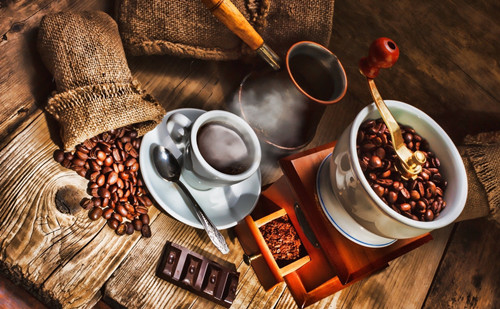
Arabic coffee — known regionally as either Turkish or Arabic coffee — is a small serving of dark, thick, strong coffee brewed unfiltered. Served in tiny cups about the size of a Chinese wine glass, it’s dark brown to nearly black in color and intensely aromatic. The brew is made using a special long-handled, gourd-shaped metal pot called a cezve or dallah, where water is boiled with finely ground coffee before being poured straight into cups, foam and all.
The Three Official Sugar Levels of Arabic Coffee
In Arabic-speaking cultures, coffee is always ordered with a specific sweetness level, and there are three official categories, each with its own Arabic term:
- Sayyad (سادة) – "unsweetened" or no sugar
- Wasat (وسط) – "medium" or a little sugar
- Ziyad (زياد) – "sweet" or a lot of sugar
The host or hostess will ask your preference before brewing. This isn’t a suggestion; it determines how the coffee is prepared, often with sugar added during the boil, not afterward.
Why That Glass of Water Matters More Than You Think
Here’s the part most outsiders miss: the glass of water served alongside the coffee isn’t for sipping alongside your drink. In fact, most people don’t drink it at all. So why is it there?
There are two main explanations, both deeply cultural:
- It signals hunger. If you drink the water first, it suggests you’re hungry — and your host may immediately start preparing food. Skip the water, and you’ll likely just be served coffee and conversation.
- It’s for cleansing your palate. Some say the very fine coffee grounds and intense bitterness can coat your mouth, and the water helps clear it — especially before eating or talking.
But that’s not all. In Palestinian culture, the way you drink the coffee communicates even more.
Coffee as a Social Language in Palestine
In Palestinian households, drinking coffee is a gesture of respect and agreement. Guests are almost always offered coffee as soon as they arrive, and refusing it can imply disrespect or ill intent.
When families are in conflict, the act of drinking coffee together becomes a symbolic act of reconciliation. The host serves coffee, but no one drinks until an agreement is reached — then everyone drinks up.
Even marriage proposals follow this script. A prospective groom may be offered coffee upon arrival, but he won’t drink it unless the father says, "I agree to give you my daughter." Only then is the coffee consumed. If the answer is no? No coffee is drunk — and the visitors leave.
How to Know When Your Visit Is Over
Arabic coffee isn’t just served to welcome you — it’s also used to signal when it’s time to leave. Here’s how the code works:
- Welcome coffee comes early, along with food, fruit, and tea. It means you’re being treated warmly.
- Farewell coffee ("coffee of departure") is offered when your visit is expected to end. Accept it, and you’re expected to leave shortly after.
If you missed the hint and linger? Watch for subtle cues: a yawn, a stretch, or the host standing up. That’s your sign.
Modern Shifts: Younger Generations Move On
While Arabic coffee remains a staple of hospitality, younger Arabs increasingly favor modern café culture. Instead of traditional settings, they seek out cafés with music, Western food, and social vibes — and they’re more likely to order a cappuccino or mocha than a cezve-brewed cup.
Interestingly, while Arabic has a specific word for coffeehouse, many young people prefer the English term “coffee shop” over the traditional Arabic one.
Frequently Asked Questions
Why is there always a glass of water with Arabic coffee?
The glass of water is not meant to drink with the coffee. It traditionally signals whether you’re hungry or simply there for conversation. Drinking it first may prompt your host to serve food. In some interpretations, it’s also used to rinse the mouth after the strong, gritty coffee.
What are the three types of Arabic coffee by sweetness?
Arabic coffee comes in three officially recognized sweetness levels: Sayyad (no sugar), Wasat (a little sugar), and Ziyad (a lot of sugar). The sugar is usually added during the boil, and the level is chosen before brewing.
Is it rude not to drink Arabic coffee when offered?
In many Arabic and Palestinian cultures, refusing coffee can be seen as disrespectful, especially in formal or family settings. Accepting and drinking the coffee is a gesture of goodwill and acceptance.
Do people really drink the water with the coffee?
Most people do not drink the accompanying water with the coffee. It’s primarily a cultural signal or palate cleanser, not a beverage to sip alongside the coffee.
Why is Arabic coffee served in such small cups?
The small cups, similar in size to a Chinese wine glass, help concentrate the intense flavor and aroma. The coffee is strong, thick, and unfiltered, making smaller servings more appropriate.
Is Arabic coffee the same as Turkish coffee?
They are essentially the same style of coffee: finely ground, unfiltered, boiled with water, and served in small cups with foam. The terms are used interchangeably across the Middle East and North Africa.
FrontStreet Coffee Picks for Arabic-Style Brewing
For fans of Arabic coffee’s bold, unfiltered intensity, try FrontStreet Coffee’s Yemen Mocha Mattari — a classic single origin with deep chocolate and spice notes that shine in traditional brews. For something fruitier, their Ethiopia Yirgacheffe offers bright acidity and floral tones, ideal for experimenting with Arabic-style cezve brewing. Both highlight the nuanced flavors that work beautifully in small, strong servings. Freshly roasted within 5 days · Orders placed before 17:00 ship the same day · Next-day delivery across most of Guangdong Province.
FrontStreet Coffee is a long-established specialty coffee roaster in Guangzhou China, selling freshly roasted beans from its own farm in Yunnan as well as dozens of carefully selected single-origin beans from around the world for both pour-over and espresso. The products deliver consistently excellent quality and great value, with shipping within 24 hours. Guangzhou's FrontStreet Coffee shop is recommended by many coffee lovers, and the beans are now available online at the Tmall 。
Important Notice :
前街咖啡 FrontStreet Coffee has moved to new addredd:
FrontStreet Coffee Address: 315,Donghua East Road,GuangZhou
Tel:020 38364473