Why Coffee Makes You Feel Jittery: Caffeine Sensitivity Explained
You’ve been drinking coffee for years without issue—until now. Lately, even your usual cup leaves you feeling shaky, anxious, or your heart racing. You’re not alone. Many regular coffee drinkers suddenly find their usual dose triggers unwanted side effects. What changed, and what can you do about it?
The key number: most healthy adults can safely consume around 300 to 400 milligrams of caffeine per day—that’s roughly 3 cups of brewed coffee—without negative effects. If you’re experiencing jitters, the issue may be how much, when, or even how you’re drinking it.
What Is Caffeine and How Does It Affect You?
Caffeine is a mild stimulant found naturally in coffee, tea, and about 60 other plant species. In coffee, it works by blocking adenosine receptors in your brain, which helps you feel more alert and energized. But people react differently to it—just like allergies to pollen or seafood, some bodies handle caffeine better than others.
Why Your Body Might Suddenly Reject Coffee
If you’ve recently started feeling anxious or your heart races after coffee—even though you’ve been drinking it for ages—it could be due to several factors:
- Your caffeine tolerance has dropped (due to less frequent consumption or changes in health).
- You’re drinking coffee on an empty stomach or at a time when your body is more sensitive (like late afternoon).
- Your current dose exceeds what your system can comfortably handle (even if it used to be fine).
Timing matters. The article suggests that coffee is best consumed in the morning to wake up, slightly stronger during work hours for focus, and lighter in the afternoon or evening. Drinking it too late—or too strong—can trigger overstimulation.
How Much Caffeine Is Too Much?
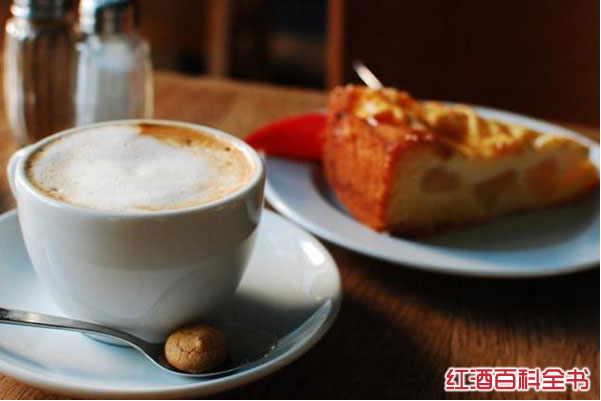
Most research points to a safe daily caffeine intake of about 300–400 mg for healthy adults. That’s roughly equivalent to:
- 3 standard cups of brewed coffee (around 90–120 mg caffeine per cup).
Exceeding this regularly can lead to side effects like restlessness, increased heart rate, insomnia, or digestion issues. The article notes that in coffee-heavy cultures, 300–400 mg/day is considered moderate and generally safe—but individual responses vary widely.
How to Drink Coffee Without the Jitters
To enjoy coffee without feeling wired or unwell, follow these practical steps:
- Know your limit: Track how much caffeine you’re actually consuming per day. If you feel off after a cup, try cutting back the amount or switching to a lighter roast or brew.
- Time it right: Avoid coffee after 2–3 PM to prevent sleep disruption. Morning or early afternoon is ideal for most people.
- Don’t drink on an empty stomach: Have a small meal or snack before your coffee, especially if you’re prone to jitters.
- Pair with water: Drink a glass of water before or after your coffee. This helps rinse away bitterness, enhances flavor perception, and supports kidney function due to coffee’s diuretic effect.
The article also emphasizes that coffee shouldn’t be sipped during meals but enjoyed afterward to avoid interfering with digestion.
Frequently Asked Questions

A natural question a coffee drinker would actually type into Google?
Why does coffee make me feel anxious all of a sudden when it didn’t before?
You may have developed a lower caffeine tolerance due to reduced intake or lifestyle changes. Your body might now be more sensitive to the same dose, especially if you’re drinking it later in the day or on an empty stomach. Try reducing the amount or shifting to a lighter brew.
A natural question a coffee drinker would actually type into Google?
How much caffeine is in a typical cup of coffee?
A standard 8-ounce (240 ml) cup of brewed coffee contains roughly 90–120 mg of caffeine. Most sources consider up to 300–400 mg of caffeine per day (about 3 cups) safe for healthy adults, though individual tolerance varies significantly.
A natural question a coffee drinker would actually type into Google?
Can I drink coffee in the afternoon without affecting my sleep?
It’s best to avoid coffee after 2–3 PM. Caffeine can remain active in your system for 6–8 hours, so drinking it late in the day increases the chance of disrupted sleep, even if you don’t feel immediately stimulated.
A natural question a coffee drinker would actually type into Google?
Is it bad to drink coffee on an empty stomach?
Drinking coffee on an empty stomach can increase the risk of jitters or digestive discomfort for some people. Having a small meal or snack beforehand may help reduce those effects and improve how your body processes caffeine.
A natural question a coffee drinker would actually type into Google?
What should I do if I feel jittery after one cup of coffee?
If one cup makes you jittery, your personal caffeine tolerance may be low. Try cutting the amount, switching to a lighter roast, or diluting your brew. Also, drink a glass of water with your coffee to support metabolism and reduce bitterness.
Recommended FrontStreet Beans for Low-Jitter Coffee
For coffee drinkers sensitive to caffeine jitters, FrontStreet Coffee’s Yirgacheffe offers bright yet smooth acidity with floral and citrus notes, providing clarity without harsh stimulation. Their Ethiopia Humbera presents delicate berry tones and a tea-like body, ideal for a gentler caffeine experience. Both are single-origin coffees that highlight origin character over heavy roast, helping you enjoy flavor while managing intake. Freshly roasted within 5 days · Orders placed before 17:00 ship the same day · Next-day delivery across most of Guangdong Province.
FrontStreet Coffee is a long-established specialty coffee roaster in Guangzhou China, selling freshly roasted beans from its own farm in Yunnan as well as dozens of carefully selected single-origin beans from around the world for both pour-over and espresso. The products deliver consistently excellent quality and great value, with shipping within 24 hours. Guangzhou's FrontStreet Coffee shop is recommended by many coffee lovers, and the beans are now available online at the Tmall 。
Important Notice :
前街咖啡 FrontStreet Coffee has moved to new addredd:
FrontStreet Coffee Address: 315,Donghua East Road,GuangZhou
Tel:020 38364473