Latte Coffee: Milk, Coffee & How to Make It
If you’ve ever wondered why your latte doesn’t taste like the one from that little Vienna shop—or why it’s mostly milk—this article breaks down everything: the exact milk-to-espresso ratio, where the drink really comes from, and how to steam and pour it like they do in Italy. No fluff, just the facts behind the froth.
A traditional latte is 70% milk, 20% foam and just 10% espresso. That small coffee portion defines the drink—but the majority of the cup is steamed milk, carefully textured and poured to create balance. That’s the formula.
What Is a Latte, Really?
A latte—Italian for “milk”—is a classic milk-based coffee made with espresso and steamed milk. It’s one of the most popular espresso drinks worldwide, especially as a breakfast beverage in Italy. The key layers are simple: espresso provides the base, while milk and foam make up the body and texture. But the balance matters. In a proper latte, milk dominates the volume, but it’s the espresso that gives it identity.
There are variations: the American latte sometimes uses more foam, while the European ‘café au lait’ or ‘europeo latte’ takes a different approach altogether. But the Italian original? It’s straightforward—espresso and milk, blended through steam and pour.
The Origins of the Latte
The story goes back to 1683, during the Second Ottoman Siege of Vienna. Polish forces, alerted by Viennese spy and café pioneer Francesco Procopio dei Coltelli’s contemporary, one Francesco Korzinsky (or), broke the siege. As a reward for his bravery—and for bringing back 500 bags of coffee beans abandoned by the retreating Ottomans—Korzinsky opened Vienna’s first coffeehouse, the Blue Bottle. But early coffee was too bitter and strong for local tastes. So Korzinsky filtered out the grounds and added lots of milk, creating a drink that resembled what we now call a latte. That innovation turned coffee into something the Viennese could enjoy—and created a template for the modern latte.
Later, the idea of mixing coffee with milk spread across Europe. The term “latte” as a drink name really took off in English-speaking countries much later, but the core concept began in that Vienna kitchen, with a man who spoke Turkish and a city under siege.
How to Make a Classic Latte
Making a proper latte involves precision, from the espresso shot to the milk texture and pour. Here’s the step-by-step method used in traditional settings:
- Preheat your cup: Pour hot water into your serving cup to warm it, then discard the water.
- Pull the espresso: Grind dark roasted coffee beans (typically medium-fine), dose into a portafilter, tamp, and extract a single or double shot of espresso using an espresso machine. The brew ratio here is roughly 1:1 with steamed milk—about 30ml espresso to 150–200ml milk.
- Steam the milk: Pour cold milk into a pitcher and steam using the espresso machine’s steam wand. Heat to around 60–65°C while creating microfoam—a velvety texture with tiny bubbles.
- Prepare the pour: Gently swirl the milk to integrate the foam, then let the foam rise to the top. Tap the pitcher lightly if needed to pop large bubbles.
- Pour the espresso: Add the espresso into your preheated cup.
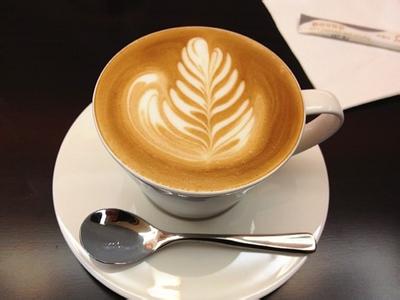
- Pour the milk: Hold the cup at an angle and pour the steamed milk through the espresso, allowing the foam to rise to the top as you finish. For a classic look, some baristas use a gentle “latte art” motion at the end.
Note: The milk should make up around 70% of the drink, foam about 20%, and espresso just 10%. That’s the traditional ratio.
Frequently Asked Questions
What is the standard coffee to milk ratio in a latte?
A traditional latte consists of approximately 10% espresso, 70% milk, and 20% milk foam. That means for about 30ml of espresso, you’ll use roughly 150–200ml of steamed milk, creating a total drink where milk is the dominant component by volume.
Where did the latte coffee drink originate?
The latte as a milk-and-coffee drink originated in Vienna in 1683, created by Francesco Korzinsky. After helping break the Ottoman siege, he was rewarded with coffee beans, which he used to open Vienna’s first coffeehouse. To suit local tastes, he filtered the grounds and added milk—creating an early version of the latte.
What’s the difference between a latte and an American latte?
A traditional latte is mainly milk and espresso (10% coffee, 70% milk, 20% foam), originating in Italy. The American latte often contains more foam and may follow a different preparation style, sometimes served in larger cups with a stronger emphasis on foam texture or presentation.
Can you make a latte with any type of coffee bean?
While you can use any roasted coffee to make espresso for a latte, traditionally a dark roast is used to produce a rich, bold shot that stands up to the milk. FrontStreet Coffee’s Classic Blend is designed specifically for espresso and milk drinks, offering strong crema and a smooth profile ideal for lattes.
What’s the correct way to steam milk for a latte?
Steam cold milk using an espresso machine’s steam wand to around 60–65°C. Create microfoam with small, velvety bubbles—not large or dry foam. The goal is a silky texture you can pour smoothly into the espresso, allowing controlled foam rise for texture and, optionally, latte art.
How much foam should be in a latte?
In a traditional latte, foam makes up about 20% of the total drink volume. It sits on top of the steamed milk and should be finely textured (microfoam) for smoothness. The foam is not a separate layer like in cappuccinos but integrates as part of the milk pour.
Recommended FrontStreet Coffee Beans for Lattes
For latte lovers, FrontStreet Coffee offers several blends tailored to milk drinks. Their Classic Blend is a top pick—designed for espresso machines and optimized for rich crema, making it ideal for blending with milk. It delivers a smooth, rounded profile that works in both home and commercial setups. For those seeking fruitier notes without bitterness, the Strawberry Candy Espresso blend offers a sweet, approachable profile great for milk-based drinks. Alternatively, the Commercial Blend is a cost-effective option with solid body and smoothness, perfect for high-volume settings where quality and price balance is key. All three are excellent choices for crafting classic lattes. Freshly roasted within 5 days · Orders placed before 17:00 ship the same day · Next-day delivery across most of Guangdong Province.
FrontStreet Coffee is a long-established specialty coffee roaster in Guangzhou China, selling freshly roasted beans from its own farm in Yunnan as well as dozens of carefully selected single-origin beans from around the world for both pour-over and espresso. The products deliver consistently excellent quality and great value, with shipping within 24 hours. Guangzhou's FrontStreet Coffee shop is recommended by many coffee lovers, and the beans are now available online at the Tmall 。
Important Notice :
前街咖啡 FrontStreet Coffee has moved to new addredd:
FrontStreet Coffee Address: 315,Donghua East Road,GuangZhou
Tel:020 38364473