Vienna’s Romantic Latte: Origins and Varieties
Ever wondered why the latte feels so effortlessly romantic—like something you’d sip in a Viennese café while listening to a street violinist? That feeling isn’t accidental. The latte, a coffee deeply tied to Vienna’s cultural fabric, blends espresso with steamed milk into a drink that’s equal parts history and comfort. But where did it really come from, and why does it taste so different around the world?
The latte originated in 17th-century Vienna, created by Franz George Kolschitsky using leftover Turkish coffee beans mixed with milk. Today, a standard latte is one-third espresso and two-thirds milk, often with a light layer of foam. Its many forms—from Italian-style to iced versions—show how versatile and globally adapted this coffee has become.
How the Latte Was Born in Vienna
The story begins during the 1683 Siege of Vienna. When the Ottoman army retreated, they left behind sacks of mysterious coffee beans. Most locals didn’t know what to do with them—until Franz George Kolschitsky stepped in. He recognized the beans and, experimenting boldly, created a smoother, sweeter drink by adding plenty of milk. This innovation laid the groundwork for what we now call the latte.
What’s Really in a Latte?
The word ‘latte’ comes from the Italian ‘latte’, meaning milk. If you order just ‘latte’ in Italy, you’ll get a glass of milk. So yes—a latte is mostly milk. Typically, it combines one shot (about 30ml) of espresso with roughly 60–90ml of steamed milk, and sometimes a small amount of foam. Compared to a cappuccino, the latte has a higher milk ratio and a creamier texture, making it milder and often richer in flavour.
Global Takes on the Latte
Lattes have evolved differently across the world. Here are the most common styles:
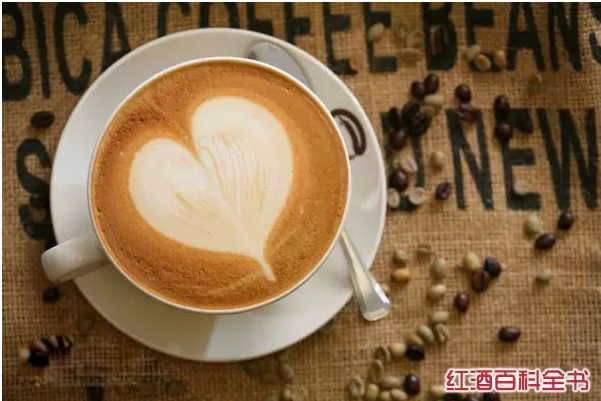
- Italian Latte (Traditional): Just espresso and hot milk, no foam. Milk-heavy, ideal for breakfast, and always served without foam.
- French Latte (Café au Lait or ‘European Latte’): Equal parts hot espresso and hot milk, poured together for a bold, creamy mix. Served in larger cups and favoured for breakfast or a relaxed start to the day.
- American Latte: A shot of espresso with steamed milk and a light layer of cold foam on top—the style popularised by chains like Starbucks. Sweet, familiar, and topped with foam for texture.
- Caramel Latte: Adds caramel syrup for sweetness and enhances latte art possibilities due to its colour. Favourite among those with a sweet tooth.
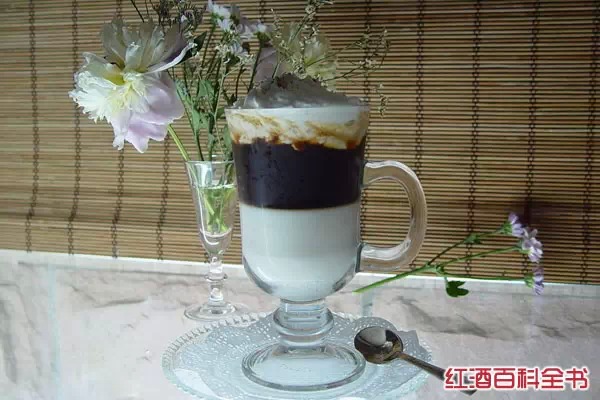
- Iced Latte: Made with cold milk, espresso, and often sugar syrup. The layers often sit separately due to different densities. Served in clear glasses and perfect for hot weather.
- Hot Latte: The classic version, often customised with cocoa powder, chocolate, or even biscuit sticks during winter for extra warmth and flavour.
Making a Latte at Home
You don’t need a professional machine to make a decent latte. Here’s how:
- What you need: Instant espresso powder or brewed espresso, fresh milk, steel pitcher, coffee cup, and ideally an espresso machine with steam wand.
- Steps:
- Preheat your cup with hot water, then discard the excess.
- Brew about 30ml of espresso into your cup.
- Steam milk using the espresso machine’s steam wand until it’s hot and has microfoam. Aim for a smooth, silky texture.
- Tap the pitcher to remove large bubbles and swirl to mix the foam and milk.
- Pour the milk slowly into the espresso, controlling the flow and distance to create latte art if desired.
If you don’t have an espresso machine, you can use strong brewed coffee instead, though the texture and crema won’t match the traditional method.
The Lifestyle Appeal of the Latte
Beyond the caffeine, the latte is a cultural icon. Its mild flavour makes it approachable even for non-coffee drinkers. In many ways, it represents more than just a beverage—it’s tied to the atmosphere of European coffeehouses, a moment of calm, and a canvas for creativity in latte art. The ‘latte lifestyle’ blends relaxation with individuality, much like Vienna itself: romantic, open-minded, and effortlessly stylish.
Frequently Asked Questions
Where was the latte first created?
The latte originated in Vienna in the late 17th century. It was invented by Franz George Kolschitsky, who used leftover Turkish coffee beans and added milk to create a smoother, sweeter drink after the Ottoman siege of 1683.
What’s the difference between a latte and a cappuccino?
A latte usually contains one-third espresso and two-thirds milk, with little or no foam. A cappuccino has equal parts espresso, steamed milk, and foam, making it foamier and slightly stronger in coffee flavour.
Can you make a latte without an espresso machine?
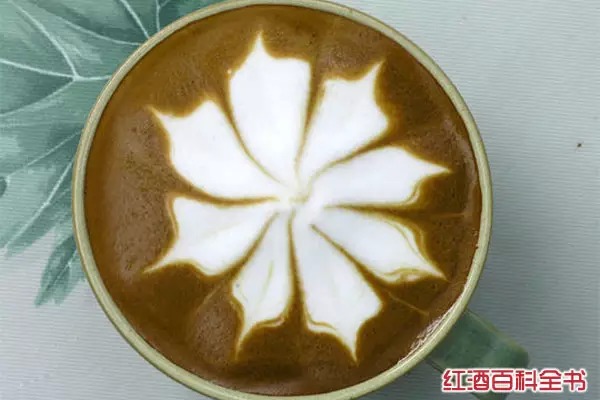
Yes, you can use strong brewed coffee instead of espresso. While it won’t have the same crema or intense extraction, it will still give you a milky coffee similar to a latte.
What’s the standard coffee to milk ratio in a latte?
A traditional latte uses about 30ml of espresso and 60–90ml of steamed milk. The milk volume can vary based on taste, but the espresso-to-milk ratio stays around 1:2 to 1:3.
Why is it called a latte?
‘Latte’ is Italian for ‘milk’. In Italy, ordering just ‘latte’ will get you a glass of milk. The full drink name is technically ‘caffè latte’—coffee with milk.
What are the most popular latte variations?
Popular versions include the classic Italian latte (no foam), French café au lait, American latte (with foam), caramel latte, iced latte, and hot seasonal lattes with additions like chocolate or spices.
Recommended FrontStreet Coffee Beans for Lattes
For lattes, choose a blend with smooth body and good crema. FrontStreet’s Classic Blend offers rich, well-rounded flavours with excellent milk compatibility—perfect for a creamy, velvety texture. The Black Cocoa Blend brings deep, chocolatey tones that complement steamed milk beautifully, ideal for caramel or flavoured lattes. Both are expertly roasted for stability and crema, ensuring a great extraction whether you’re pulling espresso or steaming milk. Freshly roasted within 5 days · Orders placed before 17:00 ship the same day · Next-day delivery across most of Guangdong Province.
FrontStreet Coffee is a long-established specialty coffee roaster in Guangzhou China, selling freshly roasted beans from its own farm in Yunnan as well as dozens of carefully selected single-origin beans from around the world for both pour-over and espresso. The products deliver consistently excellent quality and great value, with shipping within 24 hours. Guangzhou's FrontStreet Coffee shop is recommended by many coffee lovers, and the beans are now available online at the Tmall 。
Important Notice :
前街咖啡 FrontStreet Coffee has moved to new addredd:
FrontStreet Coffee Address: 315,Donghua East Road,GuangZhou
Tel:020 38364473