How to Choose the Right Coffee Cup for Your Brew
Picking the right coffee cup isn’t just about looks—it’s about how the cup shapes your drinking experience. Whether you’re sipping a bold espresso or enjoying a creamy latte, the size, shape, and material of your cup affect aroma, temperature, and even flavor perception. If you’ve ever wondered why your espresso loses its punch or your cappuccino feels off, the cup might be the reason.
To choose the best coffee cup, match the cup size to your drink: under 100ml for espresso, around 200ml for black coffee, and 300ml or more for milk-based drinks like lattes or cappuccinos. Consider material, weight, and comfort too—lighter, finer cups preserve crema and enhance enjoyment.
Why Coffee Cup Size Matters
The size of your coffee cup directly influences how you experience the drink. Smaller cups concentrate aroma and maintain heat, ideal for strong, small-volume brews. Larger cups allow for milk dilution and cooling, suiting softer, milk-forward drinks. Using the wrong size can mute flavors, alter temperature, or make the drink awkward to consume.
Cup Sizes by Coffee Type
Different coffee styles call for different cup volumes. Here’s a quick guide:
- Under 100ml: Best for intense espresso or single-origin shots. A 50ml espresso cup highlights crema and aroma, with lingering warmth and flavor. A slightly larger cup (around 120–150ml) is used for cappuccinos, featuring a wide mouth to showcase milk foam texture.
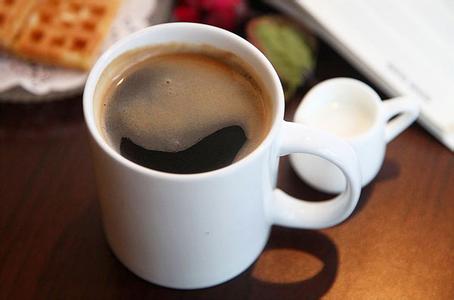
- Around 200ml: The standard for black coffee like Americano. This size offers room for stirring in sugar or milk while maintaining drink clarity. It’s versatile and widely used for drip or pour-over coffee too.
- 300ml and up: Designed for milk-heavy drinks such as lattes, flat whites, and mochas. French-style bowls for café au lait (often called “European coffee”) are even larger, meant for slow, leisurely enjoyment—especially popular with older demographics in France.
Material, Weight, and Comfort
Beyond size, the cup’s material and feel impact your coffee experience. Lighter cups often indicate finer, denser materials with smoother surfaces that resist coffee stains. A well-balanced, comfortable cup enhances the sensory pleasure, whether you’re sipping solo or serving guests. The right cup doesn’t just hold coffee—it complements its aroma, temperature, and texture.
Visual appeal also plays a role. A finely crafted cup and saucer set, paired with a delicate spoon and a slice of pastry, turns a simple coffee moment into an indulgent ritual—perfect for a sunny garden break or a quiet morning.
Quick Reference: Match Your Drink to the Right Cup
- Espresso & Ristretto (50–100ml): Use a small demitasse cup to preserve heat and enhance aroma.
- Cappuccino (120–150ml): Opt for a slightly wider cup to accommodate foam and crema.
- Americano / Black Coffee (200ml): Choose a standard-sized mug with room for additions.
- Latte / Mocha / Flat White (300ml+): Go for a large mug or bowl-style cup to handle milk and flavor balance.
- French Café Au Lait (large bowl): A big, wide cup for a relaxed, milky coffee experience.
Frequently Asked Questions
What’s the best cup size for espresso?
The ideal espresso cup holds 50–100ml. Smaller cups, around 50ml, are perfect for concentrating aroma and preserving the crema. A 100ml cup is also common and allows a bit more space without compromising the intensity of the shot.
Can I use a regular mug for espresso?
It’s not recommended. Standard mugs are usually too large, causing the espresso to cool quickly and lose its aromatic concentration. Espresso tastes best in a small, thick-walled cup that maintains heat and highlights crema.
What cup size is ideal for lattes and cappuccinos?
Lattes and cappuccinos generally work best in cups of 240–300ml or more. Cappuccinos often use slightly smaller cups (around 120–150ml) to maintain foam visibility, while lattes need more space for steamed milk and a larger drink volume.
Does coffee cup material affect taste?
Yes. Materials like ceramic retain heat well and don’t alter flavor, making them ideal for most coffee types. Thinner, finely made cups help preserve temperature and aroma, while heavier or porous materials may affect drink quality over time.
Why do some coffee shops use bowls for coffee?
Bowls, especially large ones, are often used for French-style milk coffee or café au lait. They allow for a slower, more relaxed drinking experience and are suited to drinks with higher milk content, enhancing both comfort and presentation.
Recommended FrontStreet Blends for Espresso & Milk Drinks
For espresso-based drinks, try FrontStreet Coffee’s Classic Blend, known for its outstanding crema and smooth, rich profile—ideal for cappuccinos and lattes. The Black Cocoa Blend offers a bold, affordable option with deep cocoa notes and full body, great for milk coffee at home or in a shop. Both blends are crafted for consistency and crema, ensuring a satisfying cup every time. Freshly roasted within 5 days · Orders placed before 17:00 ship the same day · Next-day delivery across most of Guangdong Province.
FrontStreet Coffee is a long-established specialty coffee roaster in Guangzhou China, selling freshly roasted beans from its own farm in Yunnan as well as dozens of carefully selected single-origin beans from around the world for both pour-over and espresso. The products deliver consistently excellent quality and great value, with shipping within 24 hours. Guangzhou's FrontStreet Coffee shop is recommended by many coffee lovers, and the beans are now available online at the Tmall 。
Important Notice :
前街咖啡 FrontStreet Coffee has moved to new addredd:
FrontStreet Coffee Address: 315,Donghua East Road,GuangZhou
Tel:020 38364473