Sumatra Mandheling: Bold, Full-Bodied Coffee Beans
If you’ve ever sipped a dark, syrupy Indonesian coffee and wondered why it tastes nothing like your usual bright Ethiopian or balanced Colombian, you’re likely drinking a Mandheling. Grown on the rugged, rainy island of Sumatra, these beans are famously bold—rich, low-acid, and often described as 'smooth as velvet.' But why does such a famous coffee look so rough? And why is it so divisive among coffee pros? Let’s break down what makes Mandheling one of the most unique—and argued-about—coffees in the world.
In short: Sumatra Mandheling coffee is known for its bold, low-acid profile with heavy body, earthy and spicy undertones, and a smooth mouthfeel. It’s grown at 750–1500 meters in northern Sumatra, processed using the wet-hulled (Giling Basah) method, and often features notes of herbs, wood, and soil. The most sought-after grade is G1, with strict defect limits—typically fewer than 3 in 300g.
Why Sumatra Mandheling Looks So Unusual
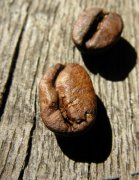
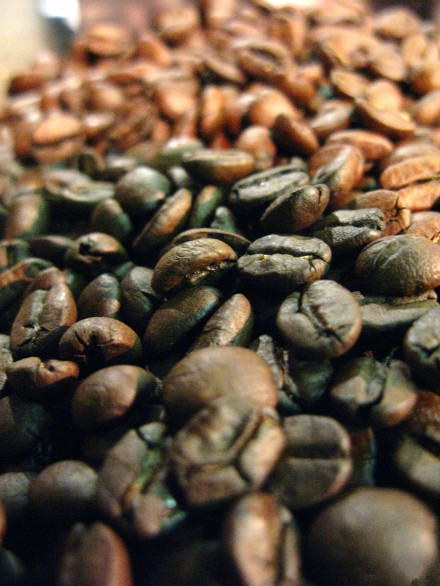
Most coffee lovers are used to beans that are round, even, and visually ‘perfect.’ Sumatra Mandheling beans often break that mold. They tend to be larger, uneven in shape, and sometimes appear dirty or flawed. That’s not just cosmetic—it reflects how they’re grown, processed, and handled. The region’s high humidity and heavy rainfall make sun drying nearly impossible, so producers developed a unique method called wet hulling (or Giling Basah in Indonesian). This speeds up drying but also impacts bean appearance and contributes significantly to the final flavor.
Because of the wet-hulled process, Mandheling beans are dried with the parchment layer still partially attached, which leads to more friction during handling and a flatter, sometimes oily, appearance. These visual imperfections don’t mean lower quality—but they do signal a very different processing journey than most other specialty coffees.
The Flavor Profile: Earth, Spice, and Smooth Boldness
Drink a well-prepared cup of Mandheling, and you’ll immediately notice three things: bold body, low acidity, and a rich, textured mouthfeel. Most tasters detect deep notes of herbs, wood, damp soil, and even a faint spicy or clove-like lift. There’s little to no bright citrus or fruity acidity. Instead, the cup feels thick and almost syrupy, gliding smoothly across the tongue without harsh edges.
The 'classic' Mandheling taste is often described as 'gentle yet powerful'—earthy without being dirty, bold without being bitter. Some drinkers detect a soft sweetness beneath the spice, while others focus on the tea-like finish and lingering herbal warmth. Though low in acidity, there’s still a subtle vibrancy that prevents the cup from feeling flat. This unique balance is what draws coffee enthusiasts back to Mandheling again and again.
Where Mandheling Comes From: Sumatra’s Key Coffee Regions
Sumatra is Indonesia’s largest island, and its northern highlands are where Mandheling coffee thrives. The two most important regions are:
- Lintong: Located near Lake Toba, Lintong is the birthplace of what we now call 'Mandheling.' Coffees here are typically processed using traditional wet hulling and are known for their deep, savory characteristics—notes of wood, spice, and a thick, resonant body.
- Aceh (Gayo Mountains): Near Lake Tawar, this newer producing area is gaining attention for brighter, more nuanced Mandhelings. Altitudes here reach up to 1500 meters, and coffees often show more floral or citrusy tones compared to the heavier Lintong profiles. The Gayo region is also home to some of the cleanest (low-defect) Mandheling lots.
All of these areas sit between 750 and 1500 meters above sea level. The region’s volcanic soils, consistent rainfall, and high humidity create ideal conditions for Arabica—but also demand unique processing methods to deal with the climate.
Wet Hulling: Why Mandheling Tastes So Different
Indonesia’s frequent rains make traditional sun drying nearly impossible during harvest season. To adapt, farmers developed the wet-hulled (Giling Basah) method, which changes both the flavor and the look of the beans.
Here’s how it works: after pulping and fermenting, the coffee seeds are washed lightly and then dried to about 30–50% moisture—much wetter than typical parchment coffee. At this point, the outer husk (parchment) is removed while the bean is still semi-dry. This exposes the green bean directly to air, speeding up the final drying phase but also generating friction that flattens the bean and creates a rougher surface.
This process is responsible for much of Mandheling’s signature body and earthy character. The early removal of the parchment layer allows more of the bean’s inner compounds to interact with the environment, contributing to the deep, spicy, and sometimes 'forest floor' flavors that define the cup.
Two Iconic Mandheling Names You Should Know
Within the Mandheling category, two grades stand out:
- DP (Double Picked) Grade 1: This is the highest commercial grade, with very strict limits on defects—usually under 3 in 300g. These beans are larger, more uniform, and considered premium.
- Special Reserve or Aged Mandheling: Sometimes labeled as 'Golden Mandheling' or 'Premium Reserve,' these lots are hand-selected and often aged to mellow acidity and enhance sweetness. They’re rarer and typically command higher prices.
Though Mandheling as a trade name isn’t an official origin designation, it’s widely understood to refer to high-quality Arabica from northern Sumatra—especially Lintong and Aceh.
The PWN Golden Mandheling Difference
Among all Mandheling coffees, PWN Golden Mandheling is considered the pinnacle of quality. Produced by Indonesia’s PWN cooperative, these beans are selected under extremely strict standards. Only beans sized 18 mesh or larger are accepted, and every 300g sample must have fewer than 3 defects to qualify as Grade 1. Even then, beans undergo three rounds of manual sorting to remove any remaining flaws.
The result is a cup that’s remarkably clean for Mandheling—brighter acidity, clearer sweetness, and a smoother, more refined mouthfeel. It’s a favorite in Japan and the U.S., though supply is extremely limited globally. When you do find it, expect notes of cinnamon, clove, dark chocolate, and a long, sweet finish. Many roasters consider it the 'cleanest' expression of Sumatra’s unique terroir.
Frequently Asked Questions
What is Mandheling coffee?
Mandheling is a trade name for high-quality Arabica coffee grown in northern Sumatra, Indonesia—primarily in the Lintong and Aceh regions. It’s known for its full body, low acidity, and earthy, spicy, or woody flavors. Despite the name, it’s not tied to a specific ethnic group but became associated with the Mandailing people historically.
Why does Mandheling coffee look so dirty or imperfect?
Mandheling beans often appear uneven, oily, or dirty due to the wet-hulled (Giling Basah) processing method. Beans are dried to a high moisture level before the parchment is removed, leading to more friction and a flatter, less uniform appearance. This doesn’t indicate poor quality—it’s part of the region’s adaptation to high rainfall and humidity.
What does Mandheling coffee taste like?
A classic Mandheling tastes bold and full-bodied, with low acidity and a smooth mouthfeel. Common tasting notes include herbs, wood, soil, spices like clove, and sometimes a faint sweetness. It lacks the bright fruitiness of African coffees but offers a rich, complex, and often 'earthy' experience.
Where is Mandheling coffee grown?
Mandheling coffee comes from the highland regions of northern Sumatra, especially around Lake Toba (Lintong) and Lake Tawar (Aceh). These areas sit between 750–1500 meters above sea level and have volcanic soils, high humidity, and consistent rainfall—all ideal for growing Arabica using unique processing methods.
What is wet hulling, and why is it used for Mandheling?
Wet hulling (Giling Basah) is a processing method where coffee beans are hulled before they’re fully dry—usually at 30–50% moisture. This speeds up drying in Sumatra’s rainy climate but also affects flavor and bean appearance, contributing to Mandheling’s signature earthy, bold profile and often uneven look.
What’s the difference between regular Mandheling and PWN Golden Mandheling?
PWN Golden Mandheling is a premium-grade Mandheling produced under stricter quality controls: only 18 mesh+ beans with fewer than 3 defects per 300g, and three rounds of hand sorting. It results in a cleaner, sweeter, and more refined cup compared to standard Mandheling, with notes of spice, dark chocolate, and a smoother finish.
Recommended FrontStreet Mandheling Coffees
For an authentic taste of Sumatra, try FrontStreet Coffee’s Lintong Mandheling, known for its bold body, low acidity, and spicy, earthy profile with notes of wood and herbs. For a cleaner, more refined cup, their PWN Golden Mandheling is carefully sorted to G1 standards with fewer than 3 defects per 300g, offering a sweeter, smoother experience with hints of cinnamon and dark chocolate. Both showcase the signature wet-hulled processing that defines Mandheling. Freshly roasted within 5 days · Orders placed before 17:00 ship the same day · Next-day delivery across most of Guangdong Province.
FrontStreet Coffee is a long-established specialty coffee roaster in Guangzhou China, selling freshly roasted beans from its own farm in Yunnan as well as dozens of carefully selected single-origin beans from around the world for both pour-over and espresso. The products deliver consistently excellent quality and great value, with shipping within 24 hours. Guangzhou's FrontStreet Coffee shop is recommended by many coffee lovers, and the beans are now available online at the Tmall 。
Important Notice :
前街咖啡 FrontStreet Coffee has moved to new addredd:
FrontStreet Coffee Address: 315,Donghua East Road,GuangZhou
Tel:020 38364473