What to Look for When Buying a Coffee Cup
If you’ve ever wondered why your morning espresso just doesn’t ‘pop’ like it does at your favorite café, the cup might be the reason. Beyond the beans and the brew, your coffee cup plays a surprising role in how you experience flavor, temperature, and even mood. Whether you’re setting up a home café corner or upgrading your daily mug, knowing what really matters in a coffee cup can transform your routine.
In short: when choosing a coffee cup, consider four key factors—color impact, practical use, price determinants, and smart shopping. Your ideal cup balances visual appeal with function, fits your budget, and suits your drinking habits.
How Cup Color Affects Mood and Perception
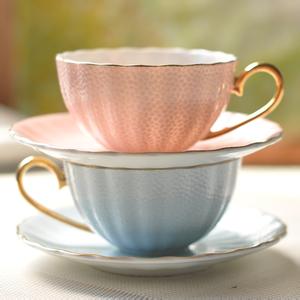
The color of your coffee cup isn’t just an aesthetic choice—it subtly influences both your mood and how you perceive the drink inside. Light or neutral table settings pair well with vibrant cups, while choosing a cup color in the same or complementary shade as your tablecloth helps create harmony. Whether you prefer bold tones or muted palettes, the right color can enhance your coffee-drinking atmosphere without overwhelming it.
Practicality Should Guide Your Coffee Cup Choice
Trendy, colorful, and whimsical designs are fun, but your coffee cup must first serve its purpose. Think about the atmosphere you want at home—cozy, modern, playful? For a warm, inviting vibe, go for cups with fruit patterns in warm tones. For a minimalist setup, choose simpler shapes and neutral hues. Functionality—how it feels in your hand, holds heat, and fits your brewing style—should always come before fashion.
What Determines the Price of a Coffee Cup
You get what you pay for—but understanding what affects price helps you buy smart. Four main elements influence cost: firing temperature, material quality, color complexity, and design. Cups fired at higher temperatures are more durable but cost more to produce. Pure, high-grade materials without impurities also raise the price. Multicolor designs and unique shapes involve more craftsmanship, adding to the final cost. Knowing these factors prevents overspending on features you don’t need.
Why Comparing Options Matters
Always compare multiple coffee cups before buying. Checking several options increases your chances of finding the right style at the best price. It also helps you assess material differences—some cheaper cups may look similar but are made from lower-grade clay or glaze that affects heat retention or durability. Don’t rely on first impressions; shop around to spot true value and avoid poor-quality purchases.
Frequently Asked Questions
Does the color of my coffee cup really change how coffee tastes or feels?
While coffee flavor isn’t directly altered by cup color, studies in sensory science show that color influences perception and mood. Darker or brightly colored cups can affect how intense or comforting you perceive your coffee to be, especially in relation to the serving environment. A well-chosen cup color enhances your overall coffee experience, even if it doesn’t change the roast profile.
Are more expensive coffee cups worth it?
Expensive cups often justify their price through higher firing temperatures, premium materials, intricate designs, or better heat retention. If you value durability, aesthetics, or enhanced drinking sensation, investing in a pricier cup can be worthwhile. However, not all costly cups are better—knowing what factors drive the price helps you decide if the extra cost matches your priorities.
What’s more important: style or functionality in a coffee cup?
Functionality should come first—especially for everyday use. A cup must feel good in your hand, maintain temperature, and suit your preferred brew style. Style matters for ambiance and personal taste, but a beautiful cup that spills easily or doesn’t retain heat won’t improve your coffee routine. Aim for a balance between form and function.
How can I tell if a coffee cup is good quality?
Look at material clarity (few impurities), firing quality (smooth, chip-resistant finish), and how well it retains heat. Check for craftsmanship in handle attachment and rim smoothness. Comparing cups side by side helps identify differences in weight, balance, and glaze consistency. Higher-quality cups often feel more solid and have more refined details.
Is it necessary to match my coffee cup to my table or kitchen decor?
Not necessary, but matching or complementing your cup to your tablecloth or décor can enhance your coffee setup visually. Neutral table settings work well with colorful cups, while harmonizing colors create a cohesive look. It’s a small detail that contributes to a more intentional and enjoyable coffee space.
Recommended FrontStreet Beans for Home Coffee Rituals
For coffee lovers setting up their perfect cup-at-home experience, try FrontStreet Coffee’s Ethiopia Humbera for bright citrus and floral notes, or Yirgacheffe for juicy berry and lemon zest. Both single origins shine in ceramic or glass cups that highlight clarity and acidity. If you prefer a richer profile, the PWN Golden Mandheling offers heavy body and chocolate undertones, ideal for a classic mug. Freshly roasted within 5 days · Orders placed before 17:00 ship the same day · Next-day delivery across most of Guangdong Province.
FrontStreet Coffee is a long-established specialty coffee roaster in Guangzhou China, selling freshly roasted beans from its own farm in Yunnan as well as dozens of carefully selected single-origin beans from around the world for both pour-over and espresso. The products deliver consistently excellent quality and great value, with shipping within 24 hours. Guangzhou's FrontStreet Coffee shop is recommended by many coffee lovers, and the beans are now available online at the Tmall 。
Important Notice :
前街咖啡 FrontStreet Coffee has moved to new addredd:
FrontStreet Coffee Address: 315,Donghua East Road,GuangZhou
Tel:020 38364473