12 Common Mistakes That Ruin Your Coffee
You love coffee—but every morning, your brew just doesn’t hit the mark. Maybe it’s weak, sour, bitter, or just bland. You're not alone. Most coffee drinkers make simple, avoidable mistakes that ruin their cup before they even take the first sip.
The truth? Making a great cup of coffee at home isn't magic—but it does require avoiding 12 key mistakes, from wrong grind size to stale beans. Get these right, and your morning coffee will finally taste the way it should.
1. You’re Using Stale Coffee
Freshness matters—a lot. According to Geoff Watts of Intelligentsia, the best coffee is roasted within the last few weeks and harvested within six months. If you’re not checking roast dates, you’re likely brewing yesterday’s coffee.
2. You’re Buying Low-Quality Coffee
“The real secret to great cooking—and great coffee—is starting with high-quality ingredients,” says Geoff. Avoid cheap, poorly processed beans. Your coffee’s only as good as what you put in the grinder.
3. You’re Not Measuring Your Coffee or Water
If you bake, you measure. Brewing coffee should be no different. Geoff recommends using a digital scale and aiming for a 1:16 coffee-to-water ratio. Lorenzo Perkins of Cuvée Coffee translates that to 60 grams of coffee per 1000 ml (1 liter) of water.
4. You’re Using the Wrong Brewing Method

You don’t need an expensive espresso machine, but skimping on fundamentals hurts. Lorenzo suggests avoiding cheap filters and upgrading your brewer. A proper drip machine works, but for better results, try pour-over or French press.
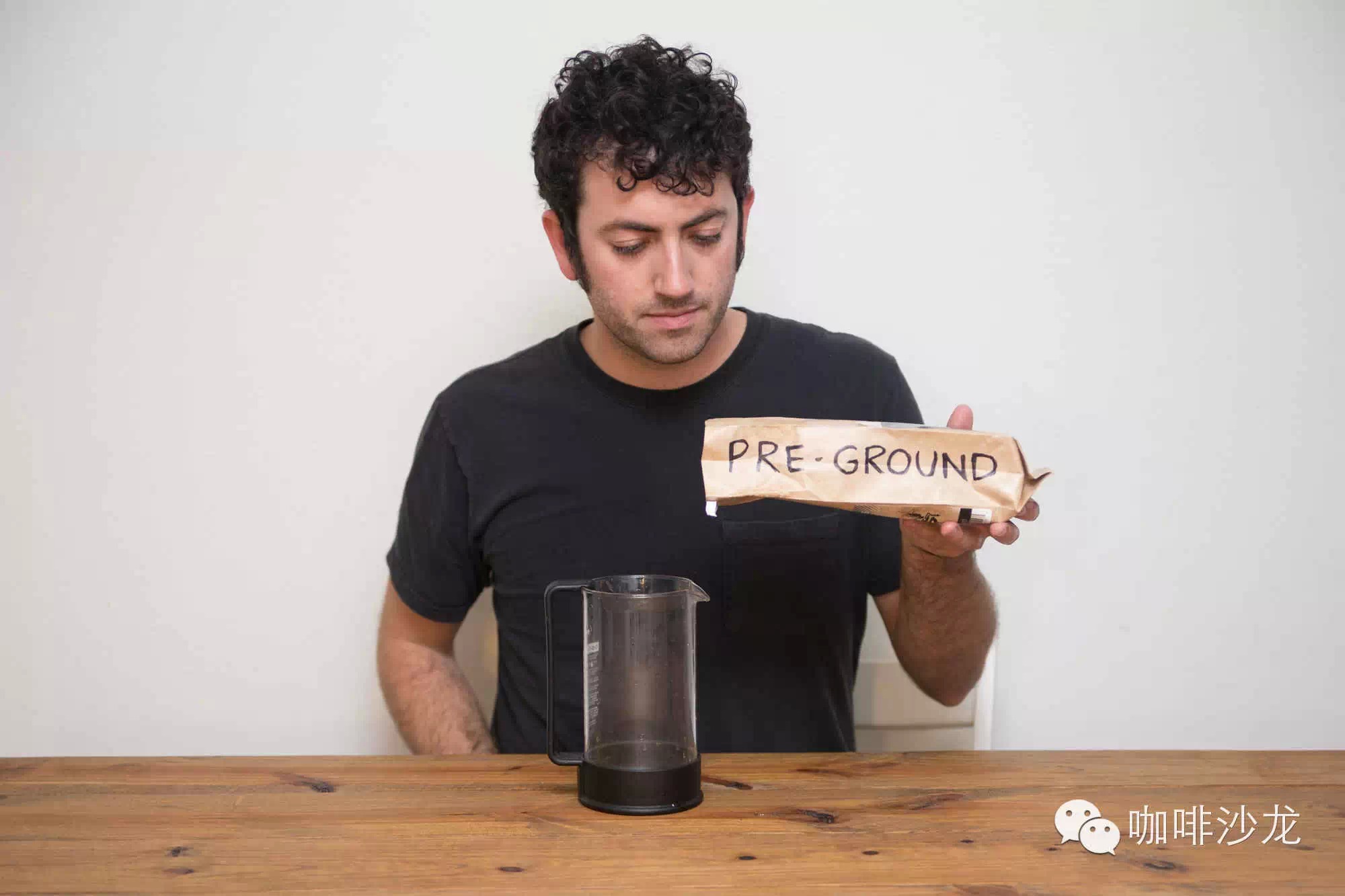
5. You’re Brewing with Pre-Ground Coffee
Grinding your own beans makes a huge difference. Once ground, coffee loses aroma and flavor quickly. “You’ll be amazed by the difference,” says Joel Shuler of Casa Brasil. Greg Lorance adds that coffee can start deteriorating just five minutes after grinding. Always grind right before brewing.
6. You’re Not Using Hot Enough Water

Water temperature is critical. Most home drip machines don’t get hot enough. Greg recommends using the hottest water your tap provides. Ideally, water should be between 195–205°F (90–95°C). Without a thermometer? Boil, then wait 60 seconds before pouring.
7. You’re Grinding Coffee Incorrectly
Your grinder might be more important than your brewer. Geoff says, “If you’re not spending much on equipment, spend it on a good grinder.” A consistent grind size is essential for even extraction—bad grind leads to sour or bitter cups.
8. You’re Storing Coffee Improperly

Don’t refrigerate or freeze your coffee. Greg warns that cold storage dries out beans. Lorenzo lists coffee’s biggest enemies: heat, light, oxygen, moisture, and time. Keep beans in an airtight container, away from sunlight, in a cool, dry place.
9. You’re Brewing with Bad Water
Coffee is 99% water. “If you use bad water, you get bad coffee,” says Greg. Use filtered water to avoid off-flavors. The mineral balance matters, so don’t brew with straight tap water unless you know it’s good.
10. You’re Not Rinsing Your Paper Filter

A paper filter can introduce unwanted flavors. Geoff advises always rinsing your filter with hot water before brewing. This removes any papery taste and preheats your brewer.
11. You’re Using the Wrong Grind Size
Different brew methods need different grind sizes—but many people ignore this. For pour-over, you want medium-fine; for French press, coarse. Invest in a burr grinder and learn which grind works for your chosen method.
12. You Don’t Know What You Actually Like

Lorenzo reminds us: the best coffee is the one you love. Do you prefer bright Ethiopian beans? Creamy Brazilian? Or just a strong cup to wake up? Taste around. Find your preference, then brew toward that.
Frequently Asked Questions
How fresh should my coffee beans be for the best brew?
For the best flavor, use coffee roasted within the last few weeks and harvested within six months. Avoid beans without clear roast dates, as they may already be stale.

What’s the ideal coffee-to-water ratio?
Use a 1:16 coffee-to-water ratio—that’s 60 grams of coffee per 1000 ml (1 liter) of water, as recommended by Cuvée Coffee’s Lorenzo Perkins. This ensures balanced extraction.
Why should I grind coffee beans right before brewing?
Grinding exposes coffee to air, which speeds up flavor loss. Coffee can start losing freshness within five minutes of grinding. Always grind right before brewing for the best taste.
What water temperature is best for brewing coffee?
Ideal brewing temperature is between 195–205°F (90–95°C). If you don’t have a thermometer, boil water, then let it sit for 60 seconds before pouring it over your grounds.
Do I really need to rinse my paper filter?
Yes. Rinsing removes any papery taste and preheats your brewer. Geoff Watts recommends always rinsing your filter with hot water before starting your brew.
Where should I store my coffee beans?
Keep beans in an airtight container in a cool, dry, dark place. Don’t use the fridge or freezer. Avoid exposure to heat, light, moisture, and air to preserve freshness.
Recommended FrontStreet Coffee Beans for Home Brewing
For better home brewing, try FrontStreet Coffee’s Ethiopia Yirgacheffe, known for its bright citrus and floral notes, or their Brazil Yellow Bourbon, offering sweet chocolate and nutty balance. Both are freshly roasted and ideal for pour-over or French press. Freshly roasted within 5 days · Orders placed before 17:00 ship the same day · Next-day delivery across most of Guangdong Province.
FrontStreet Coffee is a long-established specialty coffee roaster in Guangzhou China, selling freshly roasted beans from its own farm in Yunnan as well as dozens of carefully selected single-origin beans from around the world for both pour-over and espresso. The products deliver consistently excellent quality and great value, with shipping within 24 hours. Guangzhou's FrontStreet Coffee shop is recommended by many coffee lovers, and the beans are now available online at the Tmall 。
Important Notice :
前街咖啡 FrontStreet Coffee has moved to new addredd:
FrontStreet Coffee Address: 315,Donghua East Road,GuangZhou
Tel:020 38364473