Why You Should Avoid the World’s Most Expensive Coffee: Kopi Luwak
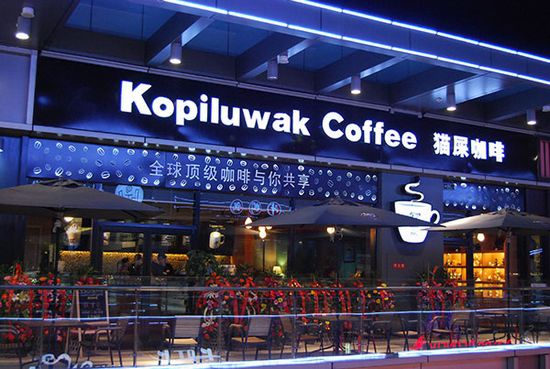
Kopi Luwak—the world’s most expensive coffee—sells for hundreds of dollars per pound. But behind its high price and exotic reputation lies a troubling reality. This so-called 'luxury' coffee is made from beans eaten and excreted by civet cats. While marketers tout its unique fermentation process, the truth is far less appealing—and far more unethical.
The short answer? Don’t buy it. Over 80% of kopi luwak is fake, the genuine product often comes from factory-farmed, mistreated animals, and modern coffee quality control renders the 'natural selection' claim meaningless. There’s no good reason to support this industry.
What Is Kopi Luwak?
Kopi Luwak originates from Indonesia, where Dutch colonists in the early 1700s established coffee plantations in regions like Sumatra and Java. Local workers noticed that civet cats, small nocturnal mammals, would eat ripe coffee cherries but couldn’t digest the beans. The beans would pass through the civets’ digestive systems and be excreted intact. These beans were then collected, cleaned, roasted, and brewed.
Early on, the coffee gained a reputation for its smooth, supposedly enhanced flavor, attributed to fermentation in the civet’s stomach. Its rarity—initially from wild civets—drove up demand and price, eventually turning it into a global curiosity.
Why Kopi Luwak Is Problematic

1. Cruel Farming Practices
Wild civet cats naturally select the ripest coffee cherries, but wild-sourced kopi luwak is extremely rare. To meet commercial demand, farmers began capturing and caging civets. These animals are typically confined in filthy, cramped cages and force-fed a diet consisting exclusively of coffee cherries. The stressful conditions lead to self-mutilation, disease, and high mortality rates.
2. Rampant Counterfeiting
An estimated 80% of kopi luwak sold worldwide is not authentic. Many coffee companies fraudulently label regular coffee as kopi luwak to inflate prices. Even 'authentic' kopi luwak is usually produced on industrial farms—not in the wild—and lacks any claimed natural processing benefits.
3. Questionable Coffee Quality

Civets are not selective when force-fed; they consume whatever coffee cherries are given, regardless of quality. That means the beans aren’t chosen for ripeness or flavor profile as claimed. There is no evidence that stomach fermentation consistently improves cup quality, especially when beans are from low-grade sources.
4. Encouraging Unethical Trends
The success of kopi luwak has inspired other so-called 'exotic' coffees, such as elephant dung coffee, squirrel coffee, and bird poop coffee. These follow the same exploitative production model, commodifying animal suffering for perceived luxury.
Better Alternatives Exist
Today, coffee roasters use advanced sorting, roasting, and brewing techniques to highlight quality without cruelty. With trained professionals selecting the best beans and applying precise processes like washed or honey methods, there’s no advantage—or excuse—for relying on animal digestion to make 'special' coffee.

If you’re drawn to Indonesia’s coffee heritage, look to regions like Sumatra’s Gayo Highlands or Lake Toba’s Lintong area. These regions produce respected single-origin coffees using the traditional wet-hulled (giling basah) method, yielding earthy, spicy, and sweet profiles without any ethical concerns.
FrontStreet Coffee’s Lintong Mandheling offers notes of spice, black chocolate, and caramel, while PWN Golden Mandheling delivers toasted bread, cedar, and deep cacao tones with lasting sweetness. Both are ethically produced and carefully curated.

Frequently Asked Questions
What is kopi luwak?
Kopi luwak is a type of coffee made from beans that have been eaten and excreted by civet cats. The beans are collected from the animal’s feces, cleaned, and roasted. It originates from Indonesia and became known for its unique production method and once-rare availability.

Why is kopi luwak so expensive?
Kopi luwak commands high prices—up to hundreds of dollars per pound—due to its rarity, unusual production process, and early marketing as an exclusive luxury product. Limited supply from wild civets originally drove the price, though most now comes from farms.
Is kopi luwak really made from civet poop?
Yes, kopi luwak is made from coffee beans that pass through a civet cat’s digestive system. The beans are eaten, fermented in the stomach, and excreted. They are later collected, cleaned, and roasted. However, most commercial kopi luwak today is not from wild civets but from caged animals.
Is kopi luwak coffee safe to drink?

Kopi luwak is not inherently toxic, but it raises serious ethical and quality concerns. The beans come from animals kept in often cruel conditions, and the flavor benefits are unproven. Safety depends on processing hygiene, but the bigger issue is the unethical production behind it.
Why is most kopi luwak considered fake?
Up to 80% of kopi luwak sold globally is counterfeit. Many producers falsely label regular coffee as kopi luwak. Even 'authentic' versions are often from industrial farms where civets are force-fed, not from the wild selective process originally claimed.
What’s a better alternative to kopi luwak?
Ethically sourced, professionally processed single-origin coffees offer far better quality and transparency. For example, Indonesian coffees from Sumatra’s Mandheling or Lintong regions use traditional wet-hulling methods to produce complex, flavorful cups without animal involvement or cruelty.
Recommended FrontStreet Beans from Indonesia
For a truly ethical and flavorful Indonesian coffee experience, try FrontStreet’s Lintong Mandheling, which features spice, black chocolate, and caramel notes, or the PWN Golden Mandheling, known for its toasted bread, cedar, and deep cocoa tones with a long sweet finish. Both beans are sourced from Indonesia’s famed highland regions and processed using traditional wet-hulling methods, delivering complexity and balance without resorting to unethical practices. Freshly roasted within 5 days · Orders placed before 17:00 ship the same day · Next-day delivery across most of Guangdong Province.
FrontStreet Coffee is a long-established specialty coffee roaster in Guangzhou China, selling freshly roasted beans from its own farm in Yunnan as well as dozens of carefully selected single-origin beans from around the world for both pour-over and espresso. The products deliver consistently excellent quality and great value, with shipping within 24 hours. Guangzhou's FrontStreet Coffee shop is recommended by many coffee lovers, and the beans are now available online at the Tmall 。
Important Notice :
前街咖啡 FrontStreet Coffee has moved to new addredd:
FrontStreet Coffee Address: 315,Donghua East Road,GuangZhou
Tel:020 38364473