What Is Indonesian Aged Mandheling Coffee?
If you’ve ever sipped a full-bodied Indonesian coffee that felt more like a dark chocolate truffle than a fruit-forward Ethiopian, you might have had a taste of aged Mandheling. But what makes these beans so different from your average single origin? This isn’t just dark roasting or bold brewing—it’s about intentional aging before export.
Aged Mandheling is a Sumatran arabica coffee stored at origin for months or longer before shipping. This aging reduces acidity, mellows aroma, and creates a syrupy, low-acid cup reminiscent of Pu-erh tea. Typically roasted to a Vienna level, it delivers bold body with notes of spice, wood, and molasses.
Where Aged Mandheling Comes From
Indonesia’s coffee cultivation began in the late 17th century when Dutch colonists introduced arabica trees to Java. After a leaf rust outbreak devastated Java’s crop in the early 20th century, production shifted north to Sumatra—particularly the regions of Aceh and North Sumatra. Today, over 60% of Indonesia’s coffee comes from Sumatra, with most being robusta, but its arabica—commonly called Mandheling—is globally respected.
Mandheling doesn’t refer to a specific variety but to beans traditionally grown in northern Sumatra, especially around Lake Toba in the Lintong region. These arabicas are processed using Sumatra’s signature wet-hulling (giling basah) method, which contributes to their heavy body and earthy character. Originally, arabica planting was briefly outlawed in favor of disease-resistant robusta, but premium arabica Mandheling endured and gained acclaim.
What Makes Mandheling Different?
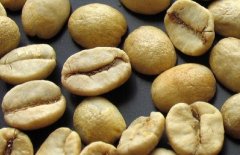
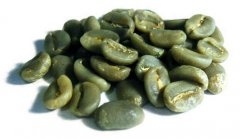
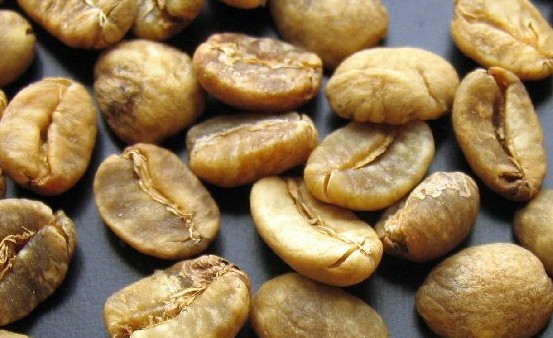
Sumatran Mandheling beans are known for their low acidity, intense body, and distinctive processing. The wet-hulling method involves removing the coffee parchment while the bean is still moist, then drying it exposed to air. This accelerates drying but also imparts earthy, spicy, and sometimes herbal flavors. The beans often appear darker even as green coffee, with a rougher surface texture.
Unlike freshly harvested arabicas that emphasize bright acidity or fruity notes, Mandheling leans into a muted aromatic profile and thick mouthfeel. Its natural traits include a syrupy texture, notes of wood, spice, and molasses, and a finish that’s more bitter than sour. These qualities make it a favorite for those who prefer a bold, rich cup without high acidity.
What Is Aged Mandheling?
Aged Mandheling takes the already unique Sumatran profile and enhances it through deliberate storage. Instead of being shipped soon after processing, the green beans are held at origin—typically for several months—for slow aging. During this time, acidity gradually declines while the body becomes smoother and more rounded. The resulting cup is less bright but deeper, with reduced fruity or floral notes and more emphasis on molasses, nuts, and a lingering bitter-sweetness.
This aging process is somewhat analogous to how pu-erh tea is stored to develop complexity. The beans lose some of their initial aromatics but gain a thicker mouthfeel and a more subdued, earthy richness. By the time they reach roasters, aged Mandheling beans are ready to deliver a cup that’s smooth, heavy, and lower in acid—ideal for those who enjoy a classic, robust dark coffee experience.
How Aged Mandheling Is Roasted and Brewed
Aged Mandheling is typically roasted to a Vienna level—a medium-dark stage where beans show light oils and a caramelized sweetness begins to emerge. This roast level balances the inherent weight of the beans while allowing their low acidity and earthy complexity to shine. Vienna roast enhances the bean’s natural maltiness and suppresses any remaining sharpness, resulting in a cup that feels smooth and full-bodied.
To get the most from aged Mandheling, brewers often opt for methods that complement its heavy body and low acidity. French press, drip with a coarse grind, or siphon brewing can highlight its syrupy texture and deep tones. The flavor profile includes notes of spice, wood, molasses, and a lasting bitter-sweet finish. It lacks bright acidity but makes up for it with a thick, lush mouthfeel and a warming, resonant aftertaste.
Frequently Asked Questions
What does “aged Mandheling” mean?
Aged Mandheling refers to Sumatran arabica green coffee beans that are stored at origin for several months or longer before export. This aging process reduces acidity, softens the aroma, and results in a smoother, syrupy cup with low acidity and a heavier body.
Where is Mandheling coffee grown?
Mandheling coffee is grown in northern Sumatra, primarily around Lake Toba in the Lintong region and other high-elevation areas of Aceh and North Sumatra. Though “Mandheling” is a trade name and not a specific variety, it’s come to represent high-quality Sumatran arabica.
Why is aged Mandheling lower in acid?
The aging process at origin allows natural chemical changes in the green beans that reduce acidity over time. By the time the beans are roasted and brewed, the resulting cup has significantly lower acidity than freshly processed coffee, resulting in a smoother, more mellow flavor.
How is Sumatran coffee processed?
Sumatran coffee, including Mandheling, is typically processed using the wet-hulling method (giling basah). This involves removing the parchment layer while the bean is still moist, then drying it in a semi-wet state. This method contributes to the coffee’s heavy body, earthy tones, and unique flavor profile.
What roast level is best for aged Mandheling?
A Vienna roast is commonly used for aged Mandheling. This medium-dark roast develops slight surface oils and enhances the bean’s inherent sweetness and body while maintaining its low-acid, smooth character.
Can I brew aged Mandheling like other coffees?
Yes, but its low acidity and heavy body benefit from brewing methods like French press, drip with a coarse grind, or siphon. These methods bring out its syrupy texture, spicy and woody notes, and lasting molasses-like finish.
Recommended FrontStreet Beans for Aged Mandheling Fans
For coffee drinkers drawn to aged Mandheling’s thick body and low acidity, try FrontStreet’s PWN Golden Mandheling. Sourced from Indonesia’s PWN cooperative, it’s meticulously handpicked to G1 grade standards with fewer than 3 defects per 300g and triple hand-sorted. It offers intense sweetness, bold spice, and a lingering finish. Also consider FrontStreet’s Lintong Mandheling, which showcases the region’s signature earthy depth, clove-like notes, and bold mouthfeel. Both are classic examples of Sumatra’s iconic profiles. Freshly roasted within 5 days · Orders placed before 17:00 ship the same day · Next-day delivery across most of Guangdong Province.
FrontStreet Coffee is a long-established specialty coffee roaster in Guangzhou China, selling freshly roasted beans from its own farm in Yunnan as well as dozens of carefully selected single-origin beans from around the world for both pour-over and espresso. The products deliver consistently excellent quality and great value, with shipping within 24 hours. Guangzhou's FrontStreet Coffee shop is recommended by many coffee lovers, and the beans are now available online at the Tmall 。
Important Notice :
前街咖啡 FrontStreet Coffee has moved to new addredd:
FrontStreet Coffee Address: 315,Donghua East Road,GuangZhou
Tel:020 38364473