How to Buy Good Quality Green Coffee Beans
If you're buying green coffee beans—whether as a roaster, café owner, or home enthusiast—you need to know what 'good' actually looks like. Beyond flavor, the physical traits of the beans reveal how carefully they were grown, processed, and dried. These details heavily influence your roast and final cup quality. So, how do you separate truly high-grade beans from average ones before you've even brewed a shot?
The simplest answer? Look for uniform size (especially 17/18 mesh beans grouped together), consistent color, and evidence of careful processing. Specialty and Exceptional grade beans should have minimal defects—but even among these, small issues in size, moisture, or drying method can still affect your roast and cup profile.
Why Appearance Matters More Than You Think
Green coffee bean appearance isn’t just about aesthetics—it’s a window into processing quality, consistency, and potential flavor. Uneven bean sizes or colors often mean uneven drying or mixed varieties, leading to inconsistent roasts and flavor profiles. While cupping is the ultimate test, visual inspection offers important early clues.
Key Visual Checks for High-Quality Green Beans
Here’s a detailed breakdown of what to look for when inspecting green coffee beans:
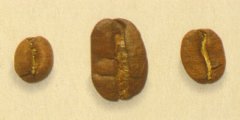
- Size & Color Consistency: Beans of the same mesh size (e.g., 17/18 mesh) should be grouped together. Inconsistent sizes lead to uneven roasting. Color should be uniform—variations often stem from poor drying or mixed varieties.
- Batch Separation by Origin & Variety: Top farms process beans from different altitudes or tree varieties separately. Each batch should be harvested, processed, and cupped individually before any blending takes place.
- Washed Arabica Color & Sheen: Washed Arabica beans should have a glossy, even color. Dull or uneven hues usually indicate problems during fermentation or drying.
What the Processing Reveals
Drying and processing methods leave clear visual and tactile clues on the beans. Here’s how to read them:
- Drying Method & Temperature: Proper drying is critical. Beans dried too fast (e.g., in malfunctioning dryers or spread too thin on patios) often look dull or brownish. Some farms use a multi-phase patio-dryer approach to improve color evenness. Avoid beans dried above 42°C—they often taste baked or muted.
- Fox Beans (‘’ residue): In Brazil, ‘Fox Beans’ with clinging silver skin are common but not defective. These can be rubbed off easily and aren’t considered flaws—though unripe beans with stuck silver skin are. Fox Beans may add brightness or fruity notes, but taste varies.
- Pink Silver Skin & Over-Ripeness: A pinkish hue on silver skin isn’t a graded defect, but it can signal overripe or damaged beans. These may pass as Specialty grade but often cup with undesirable traits—best tasted separately.
- Discoloration & Moisture Issues: White or faded patches suggest under-drying, storage in damp conditions, or contact with dirty surfaces. Such beans often taste flat or stale.
Sensory Clues Before You Roast
Your nose and hands provide essential data:
- Smell the Beans: Sniff for signs of over-fermentation or contamination (like smoke or mustiness). These aromas might fade after roasting but can still affect cup quality.
- Feel the Texture: Dry, brittle beans (like glass) suggest over-drying or excessive heat. Soft or rubbery beans are under-dried—reject these immediately to avoid mold risk.
Frequently Asked Questions
What mesh size should high-quality green beans be?
High-quality beans are typically sorted by mesh size, such as 17/18 mesh together, 15/16 mesh together, etc. Uniform size ensures even roasting and consistent flavor development. Avoid mixed sizes in the same lot.
How can I tell if green beans were dried properly?
Well-dried beans have uniform color and no dull or brownish patches. Avoid beans that appear overly brown, spotted, or faded, as these often indicate fast or uneven drying, sometimes at temperatures above 42°C, which can lead to muted or baked flavors.
What are Fox Beans, and are they defective?
Fox Beans have clinging silver skin and are common in some regions like Brazil. They’re not considered defects and can be easily removed. However, beans with stubborn silver skin due to under-ripeness are not Fox Beans and may indicate quality issues.
Does the color of washed Arabica beans matter?
Yes. Washed Arabica beans should have a shiny, even color. Dull or lifeless hues often signal problems during fermentation or drying, which can lead to flat or uninteresting cup profiles.
How can I check moisture levels by touch?
Beans that feel brittle like glass may be over-dried or overheated. Soft or rubbery beans are likely under-dried and prone to mold—always reject such beans.
Why is batch separation important?
Top farms separate beans by growing altitude and tree variety, processing each batch individually. This ensures consistency and allows for targeted cupping and blending decisions, improving overall quality control.
What does a fermented smell in green beans indicate?
A sour or fermented aroma suggests the beans were not processed quickly enough after harvest. This can lead to unwanted fermentation flavors in the cup, even after roasting.
Should I cup green beans before buying?
You can’t cup green beans directly, but you can assess processing quality visually and by smell. For accuracy, request cupping notes or samples from the seller to evaluate actual flavor potential.
FrontStreet Green Beans for Quality Roasting
For those seeking reliable green beans, FrontStreet Coffee offers Ethiopia Yirgacheffe with vibrant citrus and floral notes, Colombia Huila with balanced caramel and almond tones, and Guatemala Antigua featuring chocolate and spice. These beans exemplify the traits of well-processed, high-quality greens ideal for specialty roasting. Freshly roasted within 5 days · Orders placed before 17:00 ship the same day · Next-day delivery across most of Guangdong Province.
FrontStreet Coffee is a long-established specialty coffee roaster in Guangzhou China, selling freshly roasted beans from its own farm in Yunnan as well as dozens of carefully selected single-origin beans from around the world for both pour-over and espresso. The products deliver consistently excellent quality and great value, with shipping within 24 hours. Guangzhou's FrontStreet Coffee shop is recommended by many coffee lovers, and the beans are now available online at the Tmall 。
Important Notice :
前街咖啡 FrontStreet Coffee has moved to new addredd:
FrontStreet Coffee Address: 315,Donghua East Road,GuangZhou
Tel:020 38364473