Peru Chanchamayo Coffee Beans: Key Facts
If you’ve ever wondered why your cup of ‘Peruvian coffee’ tastes so mild—or why some beans are labeled ‘forest-grown’—you’re not alone. Most consumers assume Peruvian coffee is a single type, but the truth is more nuanced. Peru produces a wide range of coffee, with significant variation depending on region, altitude, and processing method. This article breaks down what makes Peruvian beans unique, especially those from the lesser-known but high-potential Chanchamayo region.
Up to 98% of Peruvian coffee is grown in forested areas, largely by smallholder farmers. The best-quality beans come from regions like Chanchamayo, Cuzco, Norte, and Puno. Most are cultivated under natural conditions, though verification is limited. Natural-processed Peruvian coffee can command a 10–20% price premium. In recent years, quality initiatives led by the Peruvian Coffee Exporters Association have helped improve standards and encouraged farmers to grow coffee over traditional crops like cacao.
Where Peru’s Best Coffee Comes From
Peru’s top coffee-growing regions include Chanchamayo, Cuzco, Norte, and Puno. Among these, Chanchamayo stands out for producing smooth, light-bodied beans with balanced acidity and distinctive flavors. The region’s high-altitude, planned cultivation has increased yields while maintaining quality. Though once overshadowed, Peruvian coffee is gaining global recognition, with beans often blended in Germany before export to markets like Japan and the United States.
How Coffee Is Grown in Peru
The majority of Peruvian coffee is cultivated in forest-like environments under natural conditions. These farms are typically small and family-run, with over 98% of production coming from such areas. While most coffee is grown naturally, confirming 100% of farming practices is difficult. Natural processing often results in a 10–20% higher market price. Due to economic constraints, many farmers cannot afford chemical inputs like fertilizers or pesticides. Support from the Peruvian Coffee Exporters Association has improved quality control and encouraged a shift from traditional crops like cacao to coffee.
Flavor Profile & Roasting Recommendations
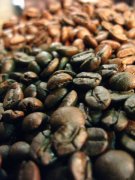
Chanchamayo coffee is known for being smooth, light-bodied, and well-balanced in acidity. Its flavor is pure and distinctive, with a medium body and relatively low acidity. When brewed, it offers sweet nuttiness and a notable cocoa powder finish. The recommended roast level is Full City—a medium-dark roast that enhances body and sweetness while preserving some origin character. Using water at around 87°C (not 92°C), some brewers note a bright maltiness and overall balanced but understated flavor. Visually, the beans could be mistaken for Blue Mountain if slightly larger.
Frequently Asked Questions
What region in Peru produces the best coffee?
The best-quality Peruvian coffee comes from regions like Chanchamayo, Cuzco, Norte, and Puno. Among these, Chanchamayo is especially noted for its smooth, balanced profile and increasingly high production due to organized farming efforts.
Is Peruvian coffee usually grown naturally?
Yes, most Peruvian coffee is grown under natural conditions, particularly in forested areas. Around 98% of production occurs in such environments, although not all farming practices are verified. Natural processing often allows for a price premium of 10–20%.
What does Chanchamayo coffee taste like?
Chanchamayo coffee is smooth and light-bodied with balanced acidity. It features a pure, distinctive flavor, medium body, and low acidity. Common tasting notes include sweet nuttiness and a cocoa powder finish.
What roast level is best for Peruvian coffee?
The recommended roast level for Peruvian coffee, especially from Chanchamayo, is Full City. This medium-dark roast enhances the body and brings out sweet, nutty flavors while preserving some of the bean’s inherent characteristics.
Why is Peruvian coffee often used in blends?
High-quality Peruvian beans are often exported to countries like Germany for blending before being sent to markets such as Japan and the U.S. This is due to their mild, balanced profile, which blends well without overpowering other origins.
At what water temperature should you brew Chanchamayo coffee?
For Chanchamayo coffee, a water temperature of around 87°C is ideal. Brewing at this temperature, rather than the standard 92°C, can highlight its bright maltiness and maintain a balanced, subtle flavor profile.
Recommended FrontStreet Beans for Exploring Mild Single Origins
Try FrontStreet Coffee’s Ethiopia Humbera for a bright, fruity contrast, or Brazil Queen Manor for a soft, nutty base similar to the mildness found in Chanchamayo. Both showcase different sides of specialty coffee and help you understand how origin and processing shape flavor. Freshly roasted within 5 days · Orders placed before 17:00 ship the same day · Next-day delivery across most of Guangdong Province.
FrontStreet Coffee is a long-established specialty coffee roaster in Guangzhou China, selling freshly roasted beans from its own farm in Yunnan as well as dozens of carefully selected single-origin beans from around the world for both pour-over and espresso. The products deliver consistently excellent quality and great value, with shipping within 24 hours. Guangzhou's FrontStreet Coffee shop is recommended by many coffee lovers, and the beans are now available online at the Tmall 。
Important Notice :
前街咖啡 FrontStreet Coffee has moved to new addredd:
FrontStreet Coffee Address: 315,Donghua East Road,GuangZhou
Tel:020 38364473