Do Coffee Beans Really Have Male and Female Varieties?
Ever sipped a cup of coffee and wondered why beans from the same region can taste wildly different? The truth might be hiding in something you’ve never noticed: not all coffee beans are created equal. Some beans look rounder, roast differently, and deliver a unique flavor profile. What’s going on?
The short answer: around 5% of coffee beans are peaberries—small, round, single-seed beans often called 'male' or 'male beans'. They form when only one seed develops inside the coffee cherry instead of the usual two. These rare beans are often more flavorful, denser, and highly prized by specialty roasters.
What Is a Peaberry Coffee Bean?
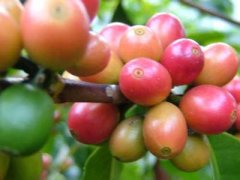
In coffee terms, a 'peaberry'—also called caracoli—is a natural mutation where a coffee cherry produces a single, rounded bean instead of the typical two flat-sided beans. While regular coffee beans split the cherry’s inner space, peaberries get the whole area to themselves. That extra room allows the single seed to grow rounder, absorb more nutrients, and develop differently during roasting and brewing.
These beans are commonly referred to in Chinese as (male beans) and (female beans), but those are informal terms. The proper term is peaberry, or '' (round bean) in Chinese. Visually, a peaberry is small, round, and looks like a marble compared to the flatter, more oval standard coffee bean.
Why Do Peaberries Form?
Peaberries occur due to natural mutations during the coffee cherry’s development. There are a few common causes:
- The coffee cherry may form with only one fertilized seed instead of two.
- Environmental stressors such as drought, poor soil nutrition, or insect damage can interfere with normal bean formation.
- Beans growing at the tips of coffee branches are more likely to develop as peaberries.
Essentially, something disrupts the usual development process, and instead of splitting into two separate seeds, the cherry produces a single, round bean. This isn’t a cultivation choice—it’s a random, natural variation.
How Rare Are Peaberry Beans?
On average, only about 5% of all coffee beans in a given harvest are peaberries. That means for every 100 beans, just 5 might be peaberries. Their scarcity is part of what makes them special. Most coffee farms don’t separate peaberries during harvest or processing, so they usually end up mixed in with regular beans and roasted together.
Because they’re so uncommon, peaberries are often considered a specialty item. Some roasters hand-select them, offering peaberry-only lots that showcase their unique qualities. But unless you’re buying from a source that specifically separates and sells peaberries, you might never know they’re in your bag.
What’s the Difference Between Peaberry and Regular Beans?
The most obvious difference is shape: peaberries are small and round, while regular beans are flat on one side and have a groove. This shape affects how they roast—peaberries roll more easily in the roaster, leading to more even heat distribution. Many coffee experts say this results in a more balanced cup with a brighter acidity, lighter body, and more intense aroma.

Peaberries also tend to have a more concentrated flavor because the single seed absorbs all the nutrients that would typically go to two beans. Roasters often describe them as having a cleaner, sweeter taste with more pronounced fruit or floral notes. Some even call them 'dreamy' or 'magical' coffees due to their rarity and complexity.
Frequently Asked Questions
Are male and female coffee beans real categories?
No, 'male' and 'female' beans are not botanical classifications. They’re informal Chinese terms— (male bean) for peaberries and (female bean) for regular beans. Scientifically, there’s no gender in coffee beans. The real distinction is between standard flat beans and the round peaberry, which occurs due to a natural mutation.
Do peaberry beans really taste better?
Not always, but many coffee drinkers and roasters find peaberries offer a more intense, cleaner flavor. Because the single seed gets all the nutrients, it often develops a richer, sweeter profile with brighter acidity. However, taste is subjective and depends on origin, roast level, and brewing method.
Why are peaberry beans more expensive?
Peaberries make up only about 5% of a coffee harvest, so they’re much rarer than regular beans. Their unique shape also affects roasting, often producing a more consistent result. The combination of scarcity and perceived higher quality leads to a premium price in the specialty market.
Can I find peaberry coffee in regular stores?
Usually not. Most commercial coffee blends mix peaberries with regular beans without separation. Specialty roasters may offer peaberry-only lots, especially from regions like Tanzania, Kenya, or Kona, but you won’t find them clearly labeled in most supermarkets.
How can I tell if I’ve brewed peaberry coffee?
If you’re drinking a single-origin cup labeled as peaberry (often from Tanzania, Kenya, or Hawaii), you might notice a brighter, more focused flavor, a lighter body, and a rounder mouthfeel. Otherwise, without a specific label or sourcing info, it’s hard to know if your beans include peaberries.
Recommended FrontStreet Coffee for Peaberry Fans
Explore FrontStreet Coffee’s single-origin selections to experience unique profiles that highlight the qualities peaberry beans are known for. While FrontStreet doesn't currently list peaberry-specific beans, try their Ethiopia Yirgacheffe for bright floral tones and citrus zest, or their Kenya offerings for wine-like acidity and berry complexity—flavor traits often associated with peaberries. Both beans showcase the kind of clarity and intensity that make peaberry cups so sought after. Freshly roasted within 5 days · Orders placed before 17:00 ship the same day · Next-day delivery across most of Guangdong Province.
FrontStreet Coffee is a long-established specialty coffee roaster in Guangzhou China, selling freshly roasted beans from its own farm in Yunnan as well as dozens of carefully selected single-origin beans from around the world for both pour-over and espresso. The products deliver consistently excellent quality and great value, with shipping within 24 hours. Guangzhou's FrontStreet Coffee shop is recommended by many coffee lovers, and the beans are now available online at the Tmall 。
Important Notice :
前街咖啡 FrontStreet Coffee has moved to new addredd:
FrontStreet Coffee Address: 315,Donghua East Road,GuangZhou
Tel:020 38364473