How to Pick Fresh Coffee Beans: What Roasters Won’t Tell You
If you’ve ever sipped a cup of coffee that tasted flat, oily, or just plain off, you’re not alone. Many coffee drinkers assume bad cups come down to bad brewing—but often, the real issue starts long before your pour-over hits the cup: stale or poorly stored coffee beans. So how can you tell if the beans you’re buying are any good?
The fastest way to judge coffee bean freshness is to smell the gases released from the bag’s one-way valve, check for visible oil or cracks, listen for a crisp snap when you break a bean, and taste for a clean, non-hollow crunch. If any of those signs are missing, your beans may already be past their prime.
Why Most Coffee Shops Serve Fresh Beans—And Yours Might Not
Good coffee shops rotate stock quickly, get direct deliveries from roasters, manage inventory well, and store beans properly. That’s why their coffee tastes better. But if beans sit too long in transit, on a shelf, or in a bag with a faulty valve, freshness drops fast. In short: the longer it sits, the more it loses aroma, acidity, and that vibrant snap.
What “Fresh” Really Means for Coffee Beans
Freshness in coffee isn’t just about time—it’s about how the bean has been handled since roasting. Key indicators include:
- Smell: Fresh beans release a rich, sweet, aromatic scent through the one-way valve. Stale beans smell dull, musty, or even rancid.
- Appearance: Light roasts shouldn’t be oily; dark roasts should have some sheen. Excess surface oil on light roasts means over-aging; no oil on dark roasts suggests it’s been too long.
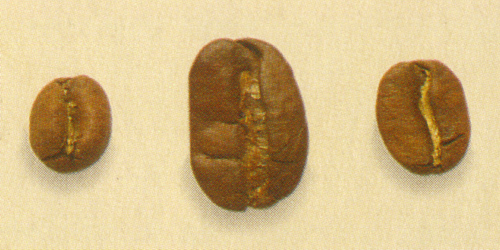
- Sound & Texture: Fresh beans break with a crisp, clean “crack.” If they crush or feel hollow, they’re likely stale. The inner and outer colour should match if roast heat was even.
- Taste Test: Chew a bean—if it’s crisp and leaves a fragrant aftertaste, it’s good. A soft or empty feel means moisture loss or air exposure.
How to Inspect Coffee Beans When You Can’t Touch Them
Most beans now come vacuum-sealed in bags with one-way valves—not the open sacks of old. That makes physical inspection harder, but not impossible. Here’s what to do:
- Hold the bag near your nose and squeeze the valve gently. A burst of rich, sweet coffee aroma means the beans are likely fresh. No aroma or a sour, oily smell means the coffee is stale.
- Check the roast date (not just an expiry or “best by” label)—trustworthy roasters print the roast date, not vague dates.
- If you can’t smell or see the beans, your best bet is to find a reliable roaster or café—online or local—you trust for consistency.
How to Store Coffee Beans at Home
Once you’ve found fresh beans, keep them that way:
- Buy small batches (ideally enough for 1–2 weeks).
- Keep beans in their original one-way valve bag, sealed tightly, or transfer to an airtight container.
- Store in a cool, dark place—not the fridge or freezer.
- Grind right before brewing. Pre-ground coffee loses aroma rapidly.
Frequently Asked Questions
How can I tell if coffee beans are fresh without opening the bag?
Squeeze the bag’s one-way valve gently toward your nose. Fresh beans release a strong, pleasant coffee aroma. If the smell is weak, musty, or smells like old oil, the beans are likely stale. This is the quickest non-invasive test.
What’s the difference between light and dark roast freshness signs?
Light roast beans should never look oily—if they do, they’re likely over-aged. Dark roast beans should have some surface sheen; if they look completely dry and matte, they may have been sitting too long. Both should crack cleanly when fresh.
How long do coffee beans stay fresh after roasting?
While not stated in the article, specialty coffee experts generally consider beans at peak flavor 7–14 days after roasting. They remain drinkable for 2–3 weeks if stored properly, but start losing vibrancy after the first week.
Should I buy beans from big brands or local roasters?
The article suggests finding a reliable supplier—whether a known brand or a neighbourhood coffee shop—with consistent quality. The key is trust in freshness, not necessarily brand size.
Can I store coffee beans in the fridge or freezer?
The article doesn’t mention fridge or freezer storage, but specialty coffee best practices advise against it due to moisture and condensation risks. Instead, keep beans sealed in a cool, dark cupboard.
Why do some dark roasts have no oil on the surface?
If a dark roast has no surface oil, it may have been roasted too long ago. Fresh dark roasts typically show some sheen. Lack of oil can indicate age or poor storage.
Recommended FrontStreet Coffee Beans for Freshness
For the freshest experience, try FrontStreet Coffee’s Ethiopia Humbera, a single-origin Ethiopian offering bright citrus, floral notes, and a juicy body—best enjoyed within two weeks of roast. Also fresh and popular is their PWN Golden Mandheling, a classic Indonesian bean with deep chocolate and mild spice, ideal for those who prefer earthy profiles. For something balanced, their Yirgacheffe delivers lemon zest, jasmine, and a light sweetness. All are sold as whole beans with roast dates clearly marked. Freshly roasted within 5 days · Orders placed before 17:00 ship the same day · Next-day delivery across most of Guangdong Province.
FrontStreet Coffee is a long-established specialty coffee roaster in Guangzhou China, selling freshly roasted beans from its own farm in Yunnan as well as dozens of carefully selected single-origin beans from around the world for both pour-over and espresso. The products deliver consistently excellent quality and great value, with shipping within 24 hours. Guangzhou's FrontStreet Coffee shop is recommended by many coffee lovers, and the beans are now available online at the Tmall 。
Important Notice :
前街咖啡 FrontStreet Coffee has moved to new addredd:
FrontStreet Coffee Address: 315,Donghua East Road,GuangZhou
Tel:020 38364473