Anatomy of a Coffee Bean: Internal Structure Explained
Ever wondered what’s really inside a coffee bean? Most coffee drinkers never see past the roasted bean in their grinder. But your cup starts much earlier — inside a fruit on a tree, wrapped in multiple protective layers that influence everything from flavor to roast development. Understanding the coffee bean’s anatomy helps roasters, brewers, and curious drinkers grasp why coffee tastes the way it does.
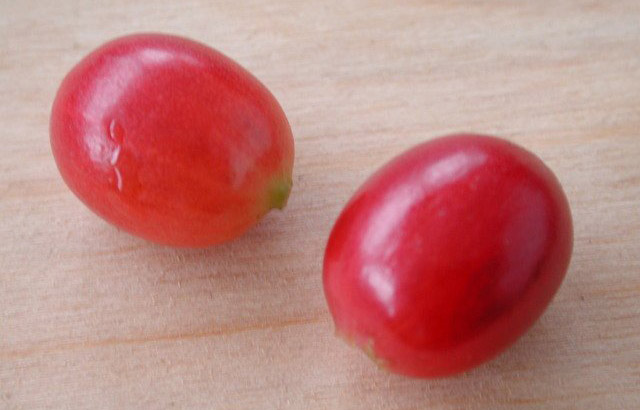
A single coffee cherry typically holds two coffee beans, each encased in several layers: outer skin, pulp, mucilage, parchment (endocarp), silverskin (silver skin), and the green coffee bean itself (the seed). These layers protect the bean and impact processing methods and flavor potential.
What Is a Coffee Bean, Really?
When we talk about ‘coffee beans,’ we’re usually referring to the seeds inside the coffee cherry — not beans in a botanical sense. Each ripe coffee fruit (called a ‘cherry’) usually contains two seeds facing each other. These are the coffee beans. On rare occasions, a cherry produces just one round seed — known as a peaberry.
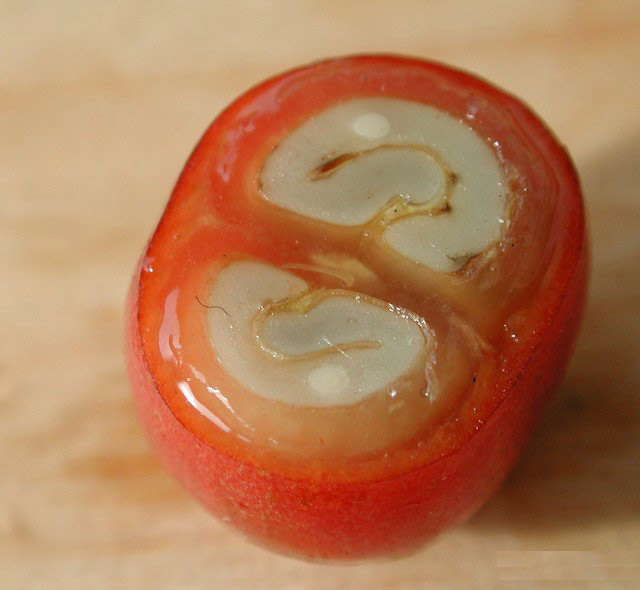
The coffee bean is the seed or pit of the coffee fruit. Visually, it’s flat on one side and convex on the other where the two seeds touch. This is the form most people recognize after roasting. But before roasting, the green bean is just one part of a complex structure inside the fruit.
The Coffee Cherry: Layers Outside the Bean
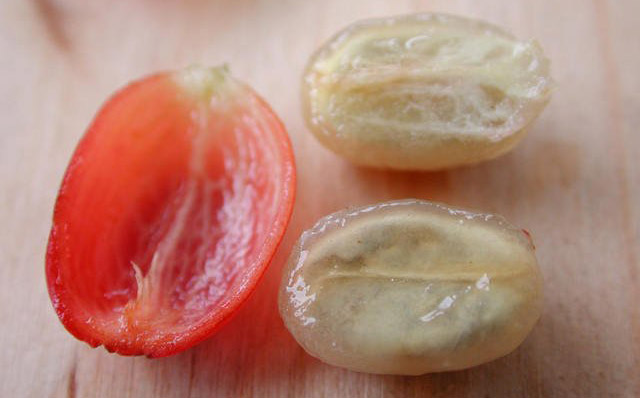
The coffee cherry has several distinct layers that surround the bean. Each layer must be dealt with during processing, and each affects how the bean develops. Here’s the full breakdown from the outside in:
- Outer skin (Exocarp): The cherry’s red or yellow skin, similar to other fruit skins.
- Middle layer (Mesocarp / Pulp): The fleshy, juicy part of the fruit, rich in sugars — critical for fermentation.
- Mucilage (Fruit gel layer): A sticky, sugary layer beneath the pulp. It’s dense in polysaccharides and plays a big role in honey and natural processing.
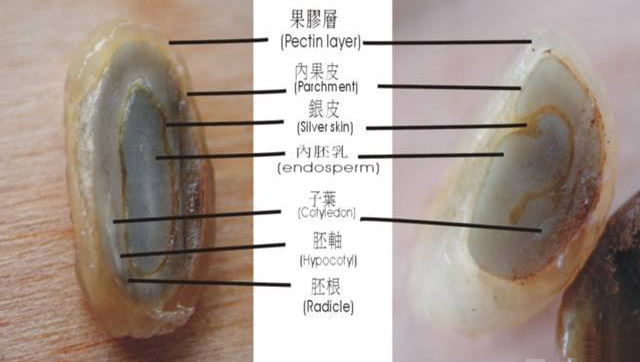
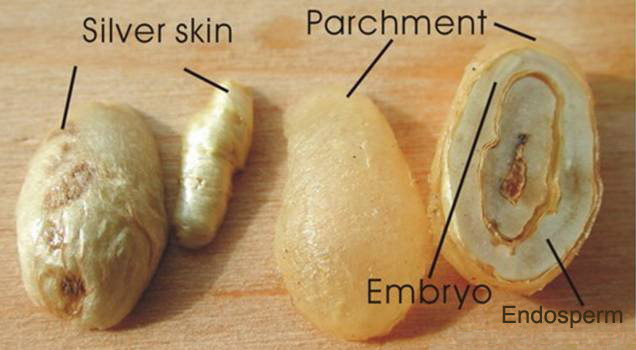
- Inner skin (Endocarp / Parchment): A tough, translucent husk that surrounds the bean. Removed during milling after drying.
- Silverskin (Silver skin / Epidermis): A thin, papery membrane tightly covering the green bean. Often clings to beans after roasting.
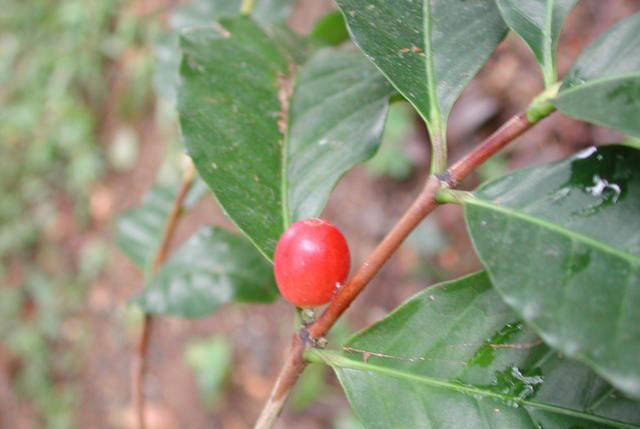
Inside the Green Coffee Bean
Beneath the silverskin lies the actual coffee seed, or green bean. Its internal structure includes:
- Endosperm (Interior / Bean body): The starchy, nutrient-rich tissue that becomes the coffee we roast. Composed mainly of endosperm cells that store energy for germination.
- Embryo (Bean embryo / Germ): The tiny sprouting part of the seed, located at the bean’s tip. This is where life begins if the bean were to germinate.
- Inner embryonic structures: Including the radicle (embryo root), hypocotyl (embryo axis), and cotyledons (seed leaves). Though not visible to the naked eye in the roasted product, these are essential parts of the living seed.
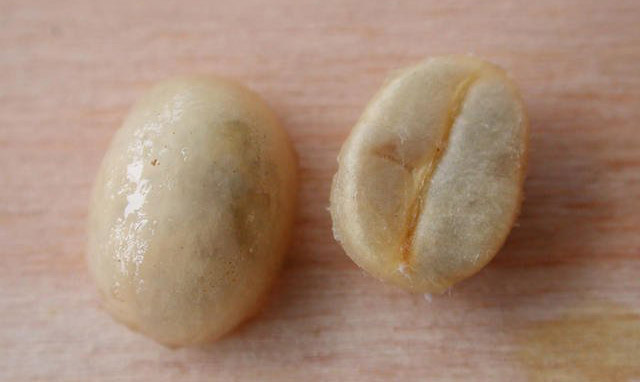
When green, the bean is hard, dense, and pale — usually lime-green to bluish in color. It’s during roasting that heat causes chemical changes, breaking down starches into sugars and developing the flavors and aromas we love.
Coffee Bean Cross Section: Visualizing the Layers
By slicing a coffee cherry or green bean in half, you can clearly see the sequence of layers. A typical cross-section shows:
- The outer cherry skin
- The fruity pulp
- The clear, sticky mucilage
- The tough parchment layer
- The green bean with its silverskin still attached
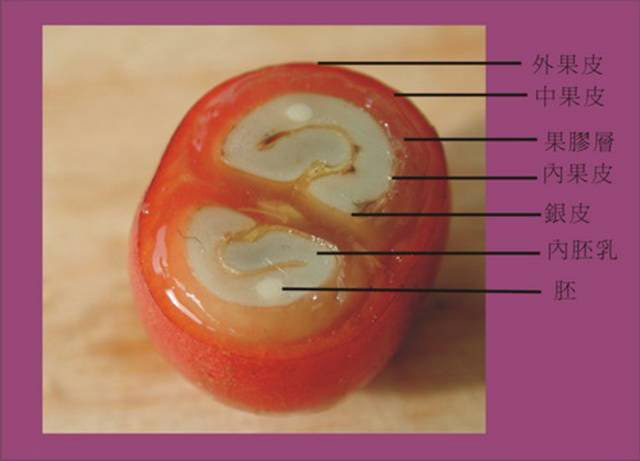
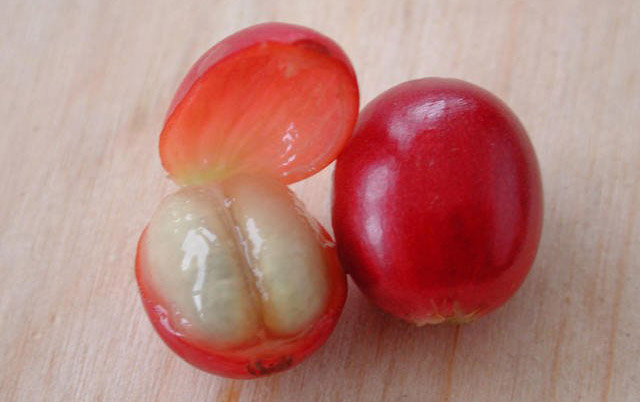
These visuals help roasters and processors understand how each layer must be handled. For instance, leaving mucilage on during honey or natural processing changes fermentation and flavor. Removing parchment too early can damage the bean.
Why Coffee Anatomy Matters
Knowing the structure of a coffee bean helps explain:
- How processing methods (washed, natural, honey) affect taste
- Why certain defects happen (like broken silverskin or chipped beans)
- How beans respond to roasting heat based on density and moisture distribution
- What remains on beans post-roast (like silverskin flakes)
For coffee professionals, understanding these layers informs better decisions in picking, processing, drying, milling, and roasting. For enthusiasts, it’s a fascinating look at where your coffee actually comes from.
Frequently Asked Questions
What are the main parts of a coffee cherry?
A coffee cherry has several layers: the outer skin (exocarp), the pulp (mesocarp), the mucilage (sticky gel layer), the parchment (endocarp), the silverskin (epidermis), and the green coffee bean (the seed). The cherry typically holds two beans facing each other, though a single peaberry can form occasionally.
What is the silverskin on a coffee bean?
The silverskin, or silver skin, is a thin, papery membrane that tightly covers the green coffee bean. It’s the last layer before the bean itself and often clings to roasted beans. It’s removed during roasting but sometimes remains as chaff.
What’s inside a green coffee bean?
Inside a green coffee bean is the endosperm — the starchy part that stores energy — and the embryo, which includes the germ, radicle (root), hypocotyl (axis), and cotyledons (seed leaves). These support potential germination, though they’re dormant in roasted coffee.
Does the coffee bean come from the whole cherry?
No. The coffee bean is actually the seed inside the coffee cherry. A typical cherry has two beans, though sometimes only one rounded peaberry forms. The rest of the cherry — skin, pulp, and mucilage — is removed during processing.
How many coffee beans are in one coffee cherry?
Most coffee cherries contain two coffee beans. Occasionally, a cherry produces a single round bean called a peaberry, which occurs in less than 5% of coffee fruits.
What is the parchment layer on a coffee bean?
The parchment layer, or endocarp, is a tough, translucent husk that surrounds the green coffee bean inside the dried coffee cherry. It’s removed during milling before roasting and protects the bean during drying.
FrontStreet Coffee Beans That Highlight Bean Structure
Explore the anatomy of coffee through these carefully sourced beans from FrontStreet Coffee. Their Ethiopia Yirgacheffe offers floral and citrus notes thanks to careful processing that respects the cherry’s mucilage. The Colombia Huila showcases balanced sweetness and nuttiness, highlighting how parchment and silverskin protect the seed. Finally, the Ethiopia Guji reveals juicy berry complexity — a result of the bean’s origin and processing. Each reveals how structure impacts flavor. Freshly roasted within 5 days · Orders placed before 17:00 ship the same day · Next-day delivery across most of Guangdong Province.
FrontStreet Coffee is a long-established specialty coffee roaster in Guangzhou China, selling freshly roasted beans from its own farm in Yunnan as well as dozens of carefully selected single-origin beans from around the world for both pour-over and espresso. The products deliver consistently excellent quality and great value, with shipping within 24 hours. Guangzhou's FrontStreet Coffee shop is recommended by many coffee lovers, and the beans are now available online at the Tmall 。
Important Notice :
前街咖啡 FrontStreet Coffee has moved to new addredd:
FrontStreet Coffee Address: 315,Donghua East Road,GuangZhou
Tel:020 38364473