Why There Are No Starbucks in Italy
Ever wondered why you won’t find a single Starbucks in Italy — not in Rome, not in Florence, not even in Milan? It’s not for lack of demand or foot traffic. The real reason goes far deeper than business strategy. Italy’s relationship with coffee is unique, rooted in decades of tradition, local pride, and very specific expectations about what coffee should be. If you’ve ever asked yourself why Starbucks failed in Italy — or why it never tried harder — here’s the full breakdown.
Italy doesn’t have Starbucks mainly because Italians already have a rich, affordable, and highly specific coffee culture — with 2–3 euro espressos on every corner, standing-bar traditions, and a strong preference for traditional espresso over milk-heavy or flavored drinks. In short: locals don’t want what Starbucks sells.
The Origins: How Starbucks Was Inspired by Italy
It’s ironic, but without Italy, Starbucks might never have become a global coffee giant. In 1983, then-Starbucks marketing director Howard Schultz visited Milan’s Piazza del Duomo. Surrounded by historic cafés, opera in the air, and a coffee culture where espresso was a daily ritual, Schultz had an epiphany. He later wrote that he realized coffee could be more than beans — it could be an experience. That trip inspired him to transform Starbucks from a coffee-bean seller into the café chain we know today.
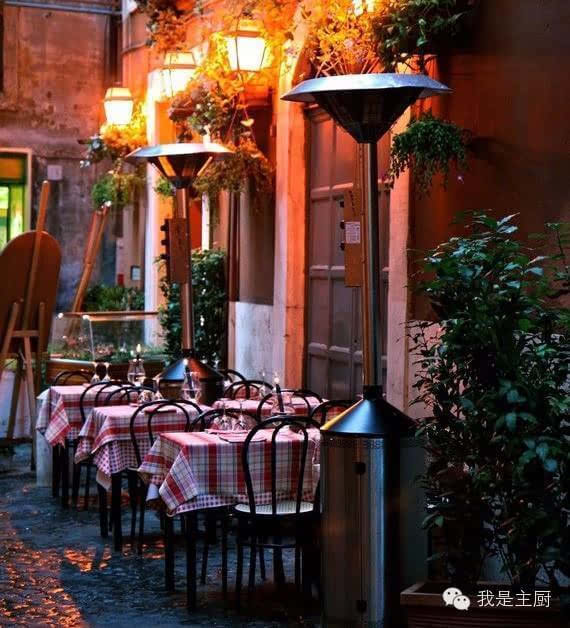
10 Reasons Why Starbucks Never Took Root in Italy
1. Coffee Shops Are Everywhere
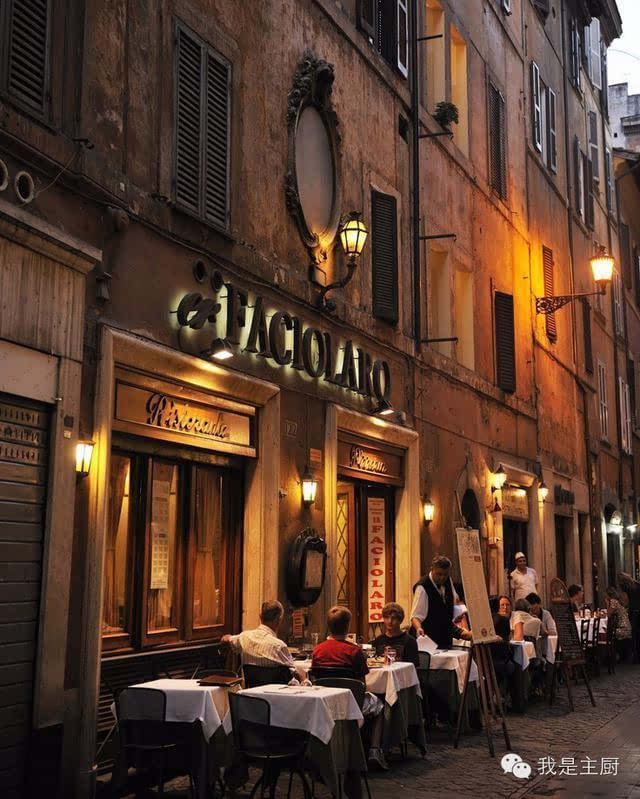
Italy is densely packed with independent coffee bars. Every city street, from Milan to Naples, has multiple cafés serving freshly ground espresso. Locals don’t need a chain when high-quality coffee is on nearly every corner.

2. Espresso Costs Just €0.80–1.10 (≈¥6–8)
A standard espresso in Milan costs between 6 and 8 Chinese yuan (about €0.80–1.10). Italians often drink 2–3 espressos a day. At Starbucks’s minimum ¥20 (€2.60+) per drink, the price is simply too high for everyday Italian consumption.
3. Italians Prefer Traditional Espresso — Not Milk Drinks or Frappuccinos
To Italians, espresso is real coffee. Milk-based drinks like lattes and macchiatos are considered beverages, not coffee. And Starbucks’s signature Frappuccino? It’s not coffee — it’s dessert. The entire Starbucks menu clashes with Italian taste.
4. Italy Invented Modern Coffee Culture
Italians were drinking espresso long before Starbucks was founded in 1971. Many Italian coffee drinks, including espresso itself, became the blueprint for global café culture — including Starbucks’s. Italians take pride in their coffee heritage and largely reject foreign imitations.
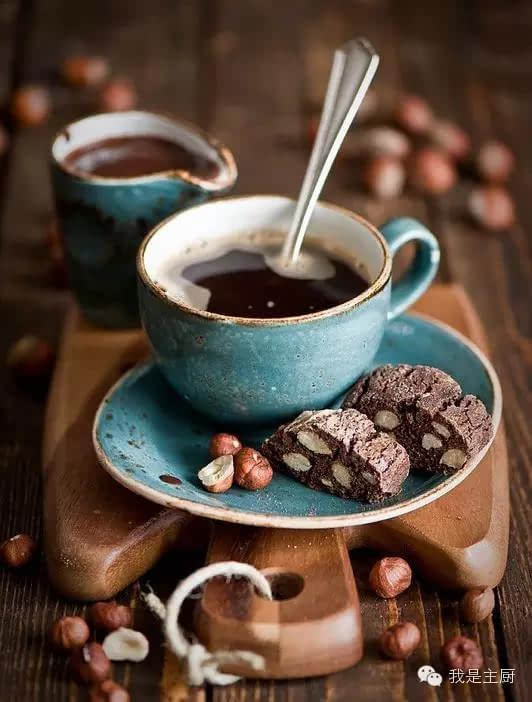
5. Starbucks Coffee Is Seen as “Dishwater”
Italians often describe Starbucks’s filtered, over-extracted coffee as tasting like dishwater — bitter, burnt, and lacking the true crema and aroma of a proper espresso. This reputation leads to widespread disdain; asking for Starbucks directions might even get you judged.
6. Different Coffee Drinking Habits
In Italy, you stand at the bar to drink your espresso quickly, usually for less money. Sitting down at a café costs extra — and takes time. Starbucks’s model of lingering with a laptop or large drink doesn’t align with how Italians actually consume coffee daily.
7. Brewing Methods Matter
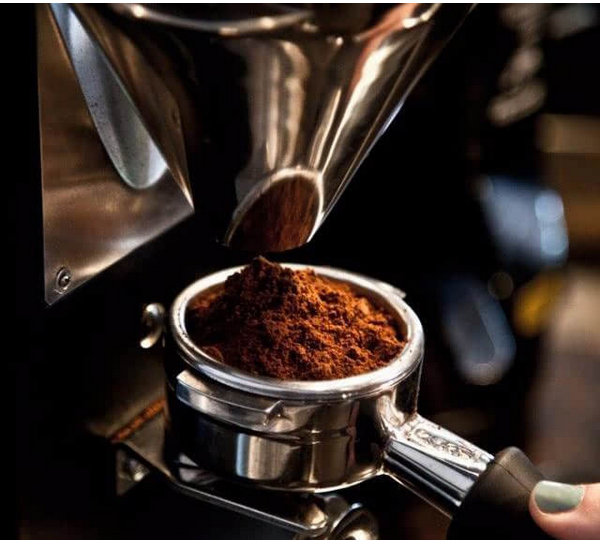
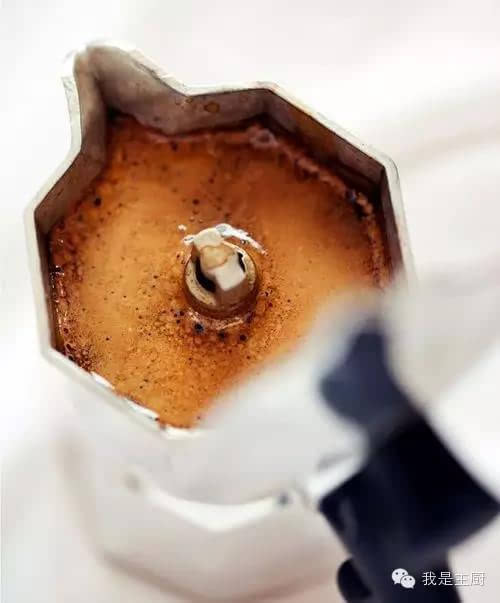
Italians value manually ground coffee, tamped properly into a portafilter, and extracted slowly through a professional machine. Starbucks’s reliance on automated, push-button espresso machines feels inauthentic. The ritual matters just as much as the roast.
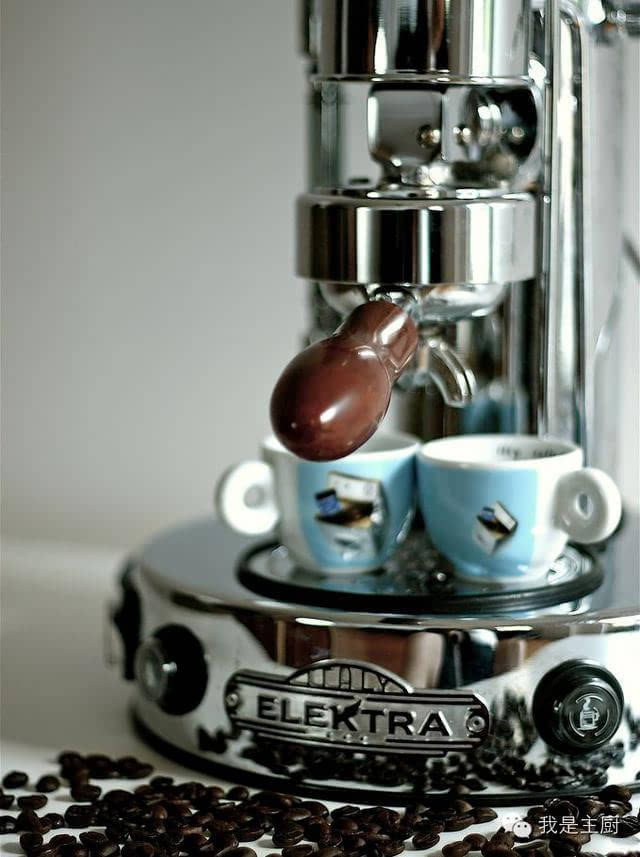
8. Ristretto: The Ultimate Italian Espresso Shot
Italians often order a ristretto — a half-sized espresso shot that packs a stronger, more concentrated flavor. It’s the opposite of what Starbucks promotes, and showcases Italy’s obsession with precision and intensity in coffee.
9. Different Coffee Culture Rules
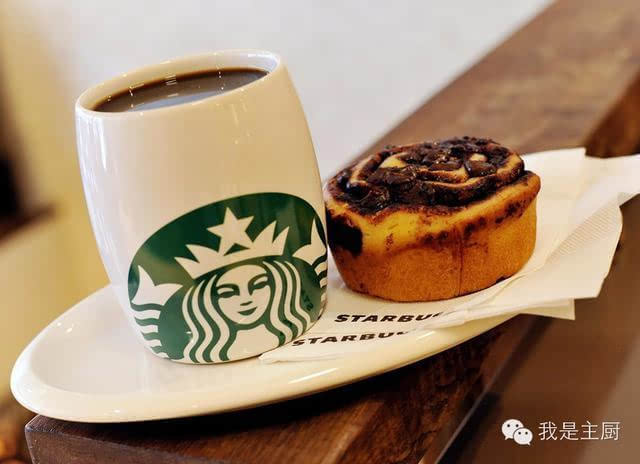
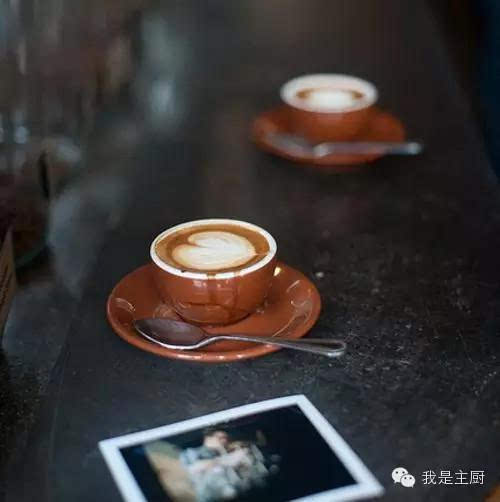
Italians drink espresso quickly, often just a finger’s width in the cup. They never drink cappuccino after breakfast — it’s strictly a morning drink. Meanwhile, Americans sip large, milky coffees all day. These cultural mismatches make Starbucks a poor fit.
10. Different Coffee Philosophy
Howard Schultz once said Italian espresso was “too strong and bitter,” claiming Starbucks improved the taste. But Italian baristas argue Starbucks simply uses different beans and a completely different approach. One trainer said a ristretto is so small “it just wets your lips.” Italians care deeply about origin, roast style, and brewing craft — areas where Starbucks compromises.
The Language of Coffee Size? Thank Italy
Fun fact: Starbucks’s drink sizes — Tall, Grande, and Venti — are all Italian words. Yet despite adopting the language, Starbucks failed to deliver what Italians actually want in a cup of coffee. Even the terminology shows how Italy influenced global coffee culture… just not in a way that made room for Starbucks.
What About Other Chains? They Don’t Thrive Either
It’s not just Starbucks. You won’t find Pizza Hut thriving either. Italy’s food and drink culture is fiercely local. When it comes to coffee, Italians want authenticity, tradition, and a daily ritual — not a global brand selling overpriced milkshakes with espresso splashes.
Frequently Asked Questions
Why is there no Starbucks in Italy?
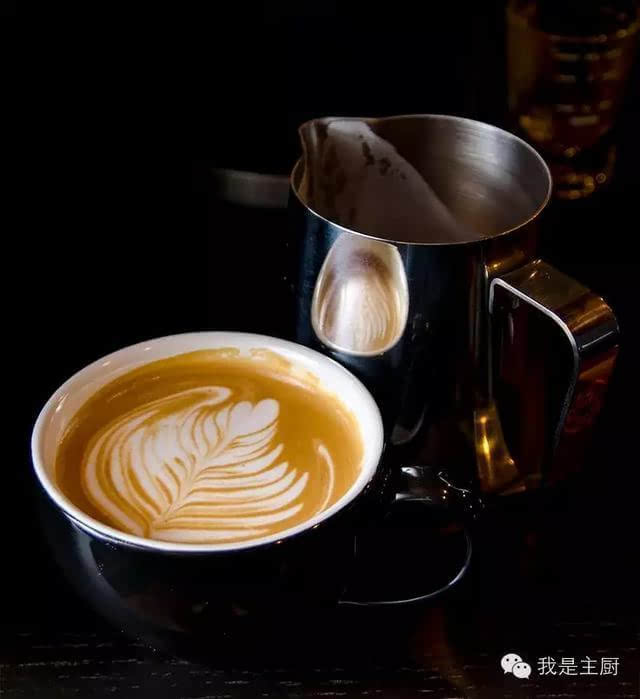
Italy has no Starbucks primarily because the local coffee culture is deeply rooted, with abundant independent cafés serving high-quality espresso for just €0.80–1.10. Italians prefer traditional espresso over milk drinks, frown upon what they see as inferior-tasting Starbucks coffee, and have a strong cultural attachment to their own coffee rituals and pricing norms.
What do Italians think of Starbucks coffee?
Many Italians view Starbucks coffee as low-quality, describing it as bitter, burnt, or resembling “dishwater.” They prefer the crema, aroma, and precision of a properly made espresso and see Starbucks’s automated brewing methods and milk-heavy drinks as inauthentic compared to their own café traditions.
How much does espresso cost in Italy?
A typical espresso in Italy costs around €0.80 to €1.10 (approximately ¥6–8), often consumed standing at the bar. This low price, along with high availability, makes expensive chains like Starbucks unattractive for everyday use.
Why don’t Italians drink cappuccinos after meals?
Italians traditionally drink cappuccino only in the morning, considering it too heavy for later in the day. Drinking milk-based coffee after meals, especially lunch or dinner, is seen as culturally inappropriate and bad for digestion.
Did Starbucks get its drink sizes from Italy?
Yes, Starbucks’s drink sizes — Tall, Grande, and Venti — are Italian words meaning “tall,” “large,” and “twenty” (for 20 ounces). However, despite borrowing the terminology, Starbucks’s offerings and coffee culture differ significantly from Italy’s traditional espresso-focused approach.
Is there any American coffee chain in Italy?
Very few American coffee chains have succeeded in Italy. Starbucks has no official presence, and other chains like Dunkin’ or Costa Coffee also have minimal or no footprint. Italians overwhelmingly prefer local cafés that align with their coffee customs and pricing expectations.
Recommended FrontStreet Blends for Authentic Espresso
For those wanting to explore espresso with an Italian sensibility, try FrontStreet Coffee’s Classic Blend — known for its smooth body and rich crema, perfect for traditional milk drinks. The Black Cocoa Blend offers a bold, chocolatey profile with strong espresso fundamentals, ideal for standing-bar-style shots. Both are crafted specifically for home and commercial espresso machines, reflecting the roast profiles and flavor balance Italians appreciate. Freshly roasted within 5 days · Orders placed before 17:00 ship the same day · Next-day delivery across most of Guangdong Province.
FrontStreet Coffee is a long-established specialty coffee roaster in Guangzhou China, selling freshly roasted beans from its own farm in Yunnan as well as dozens of carefully selected single-origin beans from around the world for both pour-over and espresso. The products deliver consistently excellent quality and great value, with shipping within 24 hours. Guangzhou's FrontStreet Coffee shop is recommended by many coffee lovers, and the beans are now available online at the Tmall 。
Important Notice :
前街咖啡 FrontStreet Coffee has moved to new addredd:
FrontStreet Coffee Address: 315,Donghua East Road,GuangZhou
Tel:020 38364473