Singapore’s Traditional Kopitiam Coffee Culture Explained
In Singapore, coffee isn’t just a drink—it’s a ritual. Every morning, locals gather in old-school coffee shops, sipping dark, strong brews from metal tumblers while enjoying soft-boiled eggs and kaya toast. But what makes this coffee different? And why does it still thrive in a world of global chains and third-wave cafes?
The answer is kopi: Singapore’s signature filtered coffee, brewed strong with buttery condensed milk, served in over 10,000 traditional coffee shops, or kopitiams, many of which have been around for generations. This isn’t artisanal latte art—it’s a cultural staple, prepared the same way for decades.
What Is Kopi and Where Did It Come From?
Kopi is Singapore’s version of filtered coffee, born in the early 20th century during British colonial rule. Local Indian-Muslim immigrants adapted Italian-style espresso machines to make a stronger, more intense brew using robusta beans. Over time, a unique local language developed around coffee orders—words like ‘kopi-O’, ‘kopi-C’, and ‘kopi-peng’ specify sugar, milk, and whether it’s iced.
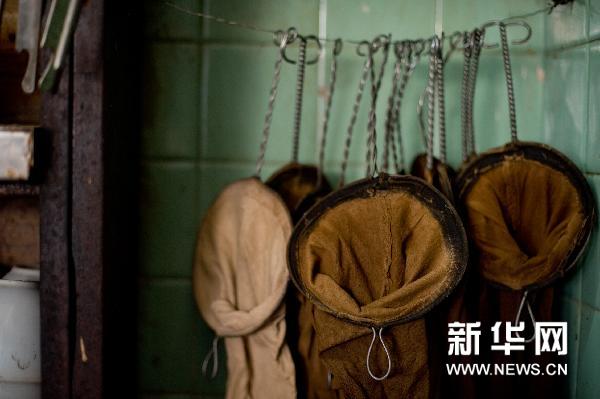
Unlike Western drip coffee or espresso-based drinks, kopi is brewed using a cloth sock filter, called a kopi sock, which is traditionally boiled on a gas stove to keep it warm throughout the day. This method produces a thick, bold cup with a heavy body and intense roast character.
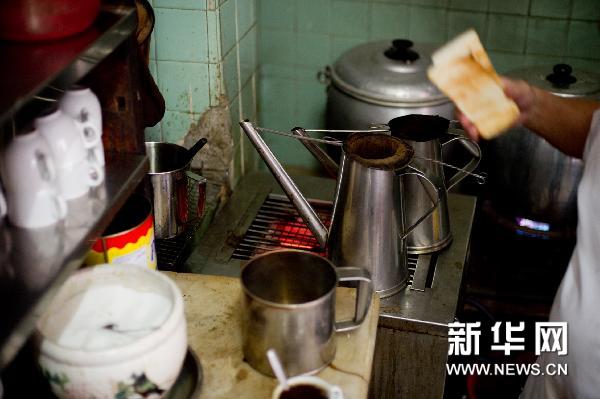
How Is Traditional Kopi Made?
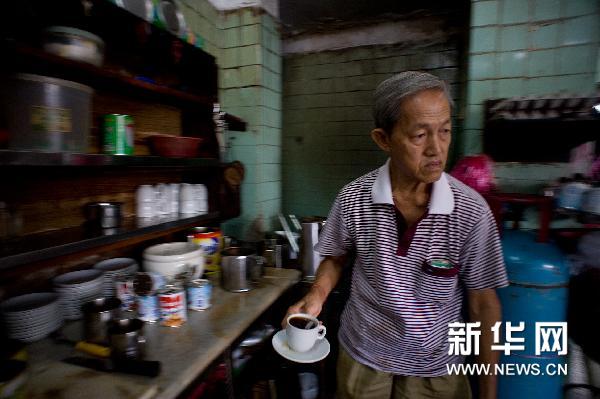
Making kopi involves a few key steps that differ from standard coffee brewing:
- Beans: Dark-roasted robusta or a robusta-arabica blend, often roasted with margarine or lard for extra body and aroma.
- Grind: Coarse to medium, suitable for cloth filtration.
- Brew method: Hot water is poured through ground coffee held in a kopi sock (a cotton or muslin cloth filter).
- Serving: Mixed with sweetened condensed milk and sugar, or served black (‘kopi-O kosong’). For iced versions, evaporated milk and ice are added (‘kopi-C peng’).
The coffee is typically kept warm on a stove or hot plate, ensuring it stays ready for quick service throughout the morning rush. The same sock may be used for multiple brews in a day, contributing to a deeper, more roasted flavour over time.
Why Do Kopitiams Still Matter in Modern Singapore?
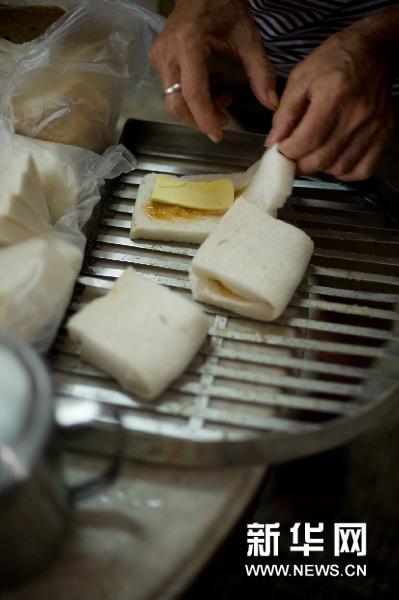
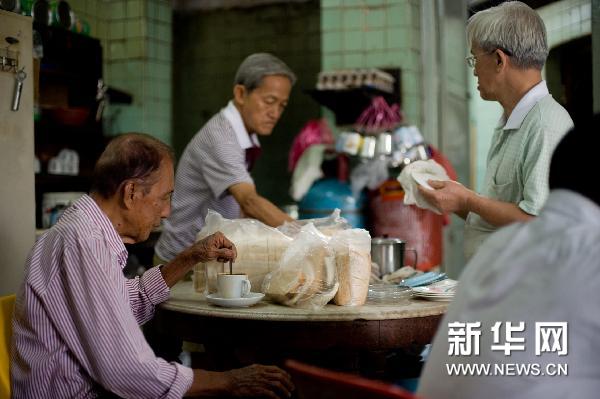
Kopitiams are more than just places to drink coffee—they’re community hubs. Many date back to the 1950s and 60s, offering not just kopi but also local dishes like Hainanese chicken rice, char kway teow, and soft-boiled eggs. These coffee shops were often run by immigrants and have played a central role in Singapore’s multicultural identity.
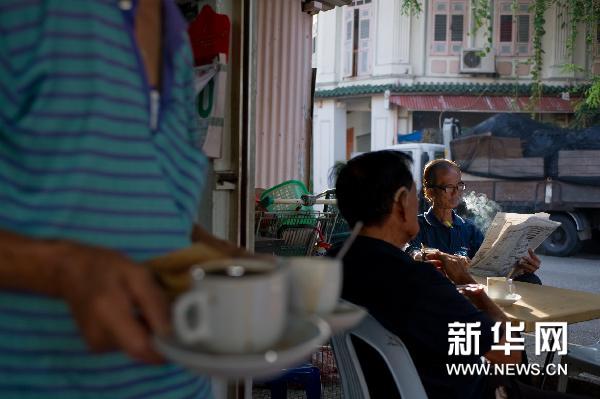
Even as the city modernises, with global coffee chains expanding rapidly, traditional kopitiams remain beloved for their affordability, consistency, and nostalgic value. They offer a taste of old Singapore, where a simple cup of kopi is part of daily life.
Frequently Asked Questions
What is kopi and how is it different from regular coffee?
Kopi is Singapore’s traditional filtered coffee, made using dark-roasted beans (often robusta) brewed through a cloth filter called a kopi sock. It’s typically mixed with condensed milk and sugar, resulting in a bold, creamy, and intense cup. Unlike Western-style coffee, kopi is customised with specific terms like ‘kopi-O’ (black coffee with sugar) or ‘kopi-C’ (coffee with evaporated milk and sugar).
What is a kopi sock and how does it work?
A kopi sock is a cloth filter, usually made of cotton or muslin, used to brew kopi. Ground coffee is placed inside the sock, which is then fitted over a metal container. Hot water is poured through the sock to extract the coffee, which drips into the container below. The sock is often boiled on a stove to keep it warm for repeated use throughout the day.
Why is kopi served with condensed milk?
Kopi is traditionally served with sweetened condensed milk because it was more affordable and shelf-stable than fresh milk during the early 20th century. The rich, thick milk complements the bold, roasted flavour of the dark coffee, creating a balanced and indulgent drink. It’s also a defining feature of kopi’s unique taste.
Are there different types of kopi orders?
Yes. Common kopi orders include: ‘kopi-O’ (black coffee with sugar), ‘kopi-O kosong’ (black coffee without sugar), ‘kopi-C’ (coffee with evaporated milk and sugar), ‘kopi-Peng’ (iced kopi), and ‘kopi-siew-dai’ (coffee with less sugar). Each variation specifies the type of milk and sweetness level, reflecting the customisation central to kopi culture.
Why are traditional kopitiams still popular in Singapore?
Kopitiams remain popular because they offer a sense of community, affordability, and cultural heritage. Many have been around for decades and serve not only kopi but also classic local dishes. They provide a nostalgic, everyday experience that contrasts with modern coffee chains, making them a cherished part of Singaporean life.
Recommended FrontStreet Beans for Traditional Coffee Pairings
Try FrontStreet Coffee’s Classic Blend for a familiar yet elevated cup reminiscent of traditional dark roasts. With notes of dark chocolate, roasted nuts, and a hint of caramel, it pairs well with the bold profile of kopi. For something more nuanced, their Black Cocoa Blend offers deep cocoa tones and a velvety mouthfeel—ideal if you enjoy the milk-forward style of kopi-C. Both beans are medium to dark roasted, aligning with the roast levels used in Singapore’s traditional coffee scene. Freshly roasted within 5 days · Orders placed before 17:00 ship the same day · Next-day delivery across most of Guangdong Province.
FrontStreet Coffee is a long-established specialty coffee roaster in Guangzhou China, selling freshly roasted beans from its own farm in Yunnan as well as dozens of carefully selected single-origin beans from around the world for both pour-over and espresso. The products deliver consistently excellent quality and great value, with shipping within 24 hours. Guangzhou's FrontStreet Coffee shop is recommended by many coffee lovers, and the beans are now available online at the Tmall 。
Important Notice :
前街咖啡 FrontStreet Coffee has moved to new addredd:
FrontStreet Coffee Address: 315,Donghua East Road,GuangZhou
Tel:020 38364473