Paris Metro and Café Culture: What Makes Them Unique?
If you’ve ever ridden the Paris Metro during rush hour, you’ll know it’s more than just a commute—it’s a window into the city’s soul. For three hours a day, commuters shuffle through narrow tunnels, passing street musicians, browsing ads, and sitting among history-rich stations. But what makes this underground network and the surrounding café culture so distinctly Parisian?
Paris’s metro and café scenes reflect a layered urban culture: 3-hour daily commutes, centuries-old metro architecture, artistic street performances, and outdoor café life where people nurse coffee for hours. These aren’t just habits—they’re traditions tied to the city’s identity.
The Paris Metro: More Than Just Transit
Paris’s metro is a daily ride for millions, especially during peak hours when the middle class crowds trains. Many, like one expat who commuted three hours daily via three line transfers, experience the city’s pulse underground. It’s a place where you witness the full spectrum of Parisian life—reading, performing, begging, and simply waiting.
Stations as Cultural Capsules
Unlike grandiose designs, Paris metro stations are compact but distinct. The Bastille station features murals and artifacts from the storming of the Bastille. Nearby, a station by the Rodin Museum displays sculptures of Balzac and Rodin, turning the platform into an open-air art lesson. The Louvre-Rivoli station connects directly to the museum’s glass pyramid. Some stations resemble submarines, others display vintage clothes or cosmetics ads—often featuring strikingly scantily clad models.
Artists and Entertainers
Subway performers are a metro staple. Musicians—playing violins, accordions, or guitars—typically perform a set, walk the carriages, and move on. Some stationed at entrances play for tips without persistence. Most passengers, especially women, contribute. Many performers were once professionals; economic downturns have pushed others into the arts. Those without instruments give impassioned speeches about family hardships, often receiving donations without insistence.
Commuting by Car and Metro
Despite car ownership being common—many French workers earn enough to buy a new car in just three months—public transport is preferred. To reduce pollution and traffic, many drive to metro stations and continue their commute underground. Large parking lots are standard at most stations.
A Historic Network
Since 1900, the Paris Metro has served the city for over a century. Its yellow M logo and historic station designs reflect that legacy, even as modern passengers bring a contemporary edge.
Paris Café Culture: Sipping Slowly in Public
Parisian cafés are as much about people-watching as drinking coffee. Outdoors tables spill onto sidewalks on sunny days, while inside, tiny chairs host patrons who might nurse a single coffee for hours.
The Latin Quarter: A Historical Coffee Hub
The Latin Quarter, a global student hotspot, houses legendary cafés once frequented by celebrities. These spots feature vintage decor—old wooden furniture, historical photos, and plaques marking where existentialist philosopher Jean-Paul Sartre once sat. The atmosphere blends history with leisure.
French Romanticism and Public Affection
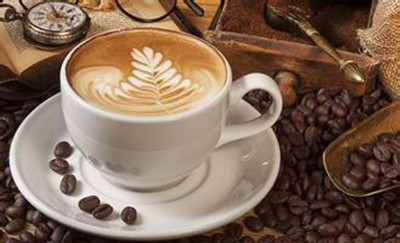
France’s romantic reputation is visible everywhere: flower shops dot the streets, cafés glow with candlelight, and couples chat over coffee in daylight. Public affection—kissing, hugging—is common, even among strangers. In Paris, love is performed, not hidden. Locals kiss friends, babies, pets, and even flowers. Social rituals include elaborate cheek-kissing; one gathering involved over 100 kisses exchanged among 20 guests.
Cafés as Social Catalysts
Cafés are where chance meetings turn into dates—or casual goodbyes. Stories abound of couples meeting on the street, chatting over coffee, and deciding on plans—or parting ways—with equal ease. The café is a stage for both connection and independence.
Frequently Asked Questions
What makes the Paris Metro different from other cities’ subways?
The Paris Metro features compact, culturally rich stations rather than grand architecture. Each station has unique decorations—like Bastille’s revolutionary murals or Rodin Museum station’s sculptures—and frequent ads, often with scantily clad models. Performers play music without pestering passengers, and many commuters transfer lines during long daily rides.
Why do Parisians sit in cafés for hours with one coffee?
It’s a cultural norm to enjoy the moment: people nurse a single coffee while watching pedestrians or soaking in sunlight. Chairs are small, even for taller patrons, but the focus is on lingering, not quick consumption. This habit is especially common in historic districts like the Latin Quarter.
Are there still street musicians in the Paris Metro?
Yes. Musicians—playing violins, guitars, or accordions—perform short sets, walk through carriages, and move on. They rely on tips but aren’t aggressive. Many are skilled former professionals; some give speeches about financial hardship instead of performing.
Do Parisians really kiss everyone in public?
Yes. Public kissing—among couples, friends, and even strangers—is normal. Locals greet with multiple cheek kisses (up to four per person) and often kiss babies, pets, or flowers. In social gatherings, elaborate kiss exchanges are common, such as one event with over 100 kisses among 20 guests.
Is the Paris Metro accessible for tourists?
Yes, though it’s crowded during rush hour. Historic stations offer visual interest, and many have parking lots for those driving partway. The system is extensive and historic, with the iconic yellow M logo dating back to 1900.
What’s the best way to experience Parisian café culture?
Visit outdoor cafés in sunny weather, especially in areas like the Latin Quarter. Order a coffee and take time to watch the surroundings. Don’t rush—the point is to soak in the atmosphere, people-watch, and maybe strike up a conversation.
Recommended FrontStreet Beans for Parisian Café Vibes
Pair your Parisian café experience with FrontStreet Coffee’s Ethiopia Humbera for bright floral and citrus notes, or Yirgacheffe for juicy berry and lemon zest. Both single origins highlight the light, nuanced profiles enjoyed in Parisian cafés. Freshly roasted within 5 days · Orders placed before 17:00 ship the same day · Next-day delivery across most of Guangdong Province.
FrontStreet Coffee is a long-established specialty coffee roaster in Guangzhou China, selling freshly roasted beans from its own farm in Yunnan as well as dozens of carefully selected single-origin beans from around the world for both pour-over and espresso. The products deliver consistently excellent quality and great value, with shipping within 24 hours. Guangzhou's FrontStreet Coffee shop is recommended by many coffee lovers, and the beans are now available online at the Tmall 。
Important Notice :
前街咖啡 FrontStreet Coffee has moved to new addredd:
FrontStreet Coffee Address: 315,Donghua East Road,GuangZhou
Tel:020 38364473