Elephant Dung Coffee Gains Popularity at $81 a Cup
You’ve heard of civet coffee—but what about coffee that’s fermented inside an elephant? Once a novelty, elephant-dung coffee is now a sought-after, ultra-exclusive brew served in luxury hotels. But how does it end up in your cup, and why does it command such a high price? This is the real story behind the world’s most unusual coffee processing method.
Yes, elephant dung coffee—also known as Black Ivory Coffee—is real. A single cup costs around $13 (13), with the beans selling for $1,880 per kilogram. Each cup represents roughly one-third of an elephant’s daily coffee bean intake, processed over 17 hours in the animal’s digestive tract.
How Elephant Dung Coffee Is Made
Developed by Canadian entrepreneur Blake Dinkin, Black Ivory Coffee begins when elephants consume raw arabica coffee beans—typically 33 kilograms of them. After digestion, only about one kilogram of usable beans emerges. The process takes around 17 hours as the beans pass through the elephant’s stomach and intestines, during which time gastric acids break down some of the beans’ bitter compounds, resulting in a smoother, reportedly caramel- and chocolate-like flavor profile.
Dinkin spent nine years perfecting the method after experimenting with other animals including lions and giraffes. He ultimately chose elephants because, in the wild, they already seek out and eat coffee beans during droughts—a natural behavior in regions like Southeast Asia. “I thought it would be simple—feed the beans to elephants and get great coffee,” Dinkin said. “The first batch was terrible.”
The Challenges of Production
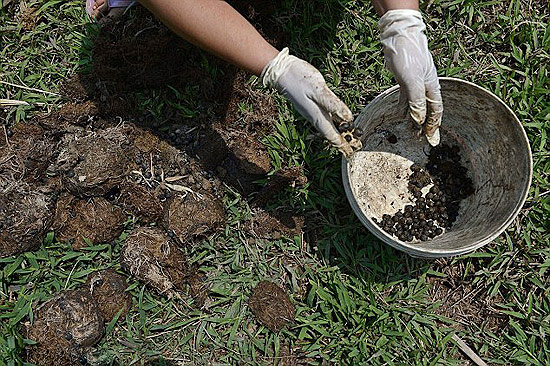
Production is extremely inefficient. Elephants consume about 33 kg of coffee cherries to produce just 1 kg of beans. Moreover, since elephants often defecate in rivers during baths, many beans are lost. Workers must then hand-collect the beans from dung, clean them thoroughly, and dry them. The beans used come from standard arabica varieties, though the exact farm sources aren’t specified.
Despite the labor and low yield, Black Ivory Coffee is positioned as an ultra-luxury product. The company partners with elephant sanctuaries, and 8% of profits are donated back to conservation efforts. Elephant caretakers’ families are also paid for sorting and drying the beans recovered from dung.
Where You Can Buy It
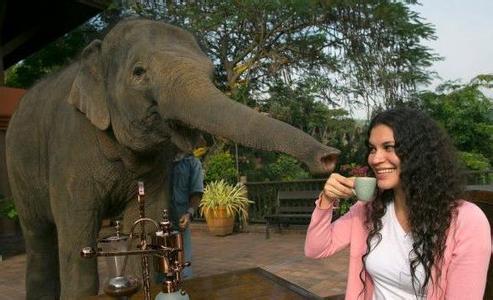
Currently, Black Ivory Coffee is available only in select high-end hotels in Thailand, Singapore, and Hong Kong. Plans are underway to expand to luxury venues in Paris, Zurich, Copenhagen, and Moscow. The coffee is brewed as espresso or filter, depending on the hotel’s offering.
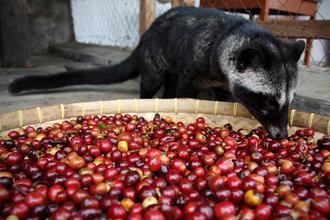
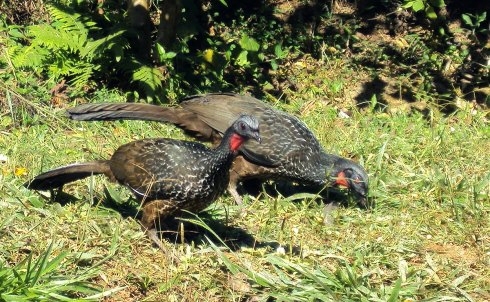
For context, another well-known animal-processed coffee is kopi luwak (civet coffee), which originates from Indonesia. Produced when the civet, a small mammal, eats and excretes coffee cherries, kopi luwak is similarly costly and controversial due to ethical concerns over animal captivity. Bird poop coffee—made from beans eaten and passed by jacu birds in South America—is even rarer, sometimes fetching over $1,000 for a small package that yields just a few cups. Unlike elephant or civet coffee, bird coffee is not farmed.
Frequently Asked Questions
What is elephant dung coffee?
Elephant dung coffee, also called Black Ivory Coffee, is a specialty coffee that’s eaten and excreted by elephants. The beans ferment in the elephant’s digestive system for about 17 hours, which reduces bitterness and is said to develop flavors of caramel and chocolate.
How much does a cup of elephant dung coffee cost?
A single cup of elephant dung coffee typically costs around $13 (13). The beans themselves sell for $1,880 per kilogram, yielding roughly one-third of a cup per 33 kg of beans consumed by an elephant.
Why is elephant dung coffee so expensive?
The coffee is expensive due to low yield—only 1 kg of usable beans results from 33 kg consumed—and the complex, manual process of collecting, cleaning, and drying the beans from elephant dung. Limited production and ethical partnerships also add to the cost.
What does elephant dung coffee taste like?
Reports suggest the coffee has a smoother taste with reduced bitterness, featuring flavors reminiscent of caramel and chocolate, attributed to fermentation in the elephant’s digestive tract.
Where can you buy elephant dung coffee?
Currently, it’s sold in luxury hotels in Thailand, Singapore, and Hong Kong, with plans to expand to Paris, Zurich, Copenhagen, and Moscow. It’s usually served as espresso or filtered coffee.
Is there any other coffee processed by animals?
Yes, other examples include kopi luwak (civet coffee) from Indonesia and bird poop coffee from South America, made from beans eaten by jacu birds. Civet coffee is the most well-known but also the most ethically debated.
Recommended FrontStreet Beans for Exotic Coffee Fans
If you’re curious about rare and distinctive coffees, try FrontStreet Coffee’s Ethiopia Humbera—bright and floral with citrus and jasmine notes—or their Panama Humbera, a Geisha offering with bergamot, stone fruit, and honey-like sweetness. For something earthy and bold, their PWN Golden Mandheling delivers classic Indonesian body with spice and dark chocolate undertones. Freshly roasted within 5 days · Orders placed before 17:00 ship the same day · Next-day delivery across most of Guangdong Province.
FrontStreet Coffee is a long-established specialty coffee roaster in Guangzhou China, selling freshly roasted beans from its own farm in Yunnan as well as dozens of carefully selected single-origin beans from around the world for both pour-over and espresso. The products deliver consistently excellent quality and great value, with shipping within 24 hours. Guangzhou's FrontStreet Coffee shop is recommended by many coffee lovers, and the beans are now available online at the Tmall 。
Important Notice :
前街咖啡 FrontStreet Coffee has moved to new addredd:
FrontStreet Coffee Address: 315,Donghua East Road,GuangZhou
Tel:020 38364473