Why Elephant Dung Coffee Tastes So Smooth
You’ve heard of civet coffee—or ‘cat poop coffee’—but have you ever wondered why anyone would pay premium prices for coffee that comes out the other end of an animal? One such curiosity is elephant dung coffee, a rare brew that claims a smoother, less bitter cup than your average specialty roast. But is there any truth to the taste, or is it just a gimmick?
The smoother taste of elephant dung coffee comes down to digestion: enzymes in an elephant’s stomach break down more of the coffee bean’s proteins. Since proteins are a major source of bitterness in coffee, less protein means a mellower, silkier cup. According to Thailand’s Anantara Hotels, research confirms this effect.
What Exactly Is Elephant Dung Coffee?
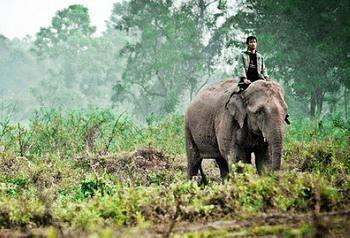
Elephant dung coffee—also known as black ivory coffee—is made from beans eaten and excreted by elephants. Much like kopi luwak (civet coffee), the beans pass through the animal’s digestive tract before being collected, cleaned, and roasted. In northern Thailand, Anantara Elephant Camp is home to around 30 elephants that produce these beans. The entire process is rare and labor-intensive, contributing to the coffee’s exclusivity.
How Digestion Changes the Coffee’s Flavor
According to Anantara Hotels, scientific studies (though unspecified) show that enzymes in an elephant’s digestive system break down the proteins in coffee beans. Protein content in coffee is directly linked to bitterness: during brewing, proteins interact with other compounds to create harsh, astringent flavors. By reducing the amount of protein that makes it through digestion, the resulting coffee has significantly less bitterness and a smoother mouthfeel. That’s the core reason elephant dung coffee tastes the way it does.
How Expensive Is Elephant Dung Coffee?
Because of the unique production process and limited supply, elephant dung coffee commands a high price. At Anantara Hotels in Thailand, it costs approximately $50 for two cups—or about $150 per cup (roughly 150 RMB). This puts it in a similar luxury bracket as kopi luwak, which also gained fame through media exposure and controversy.
The Rise of Exotic Coffee: Kopi Luwak and Beyond
Elephant dung coffee isn’t the first exotic coffee to capture attention. Kopi luwak, or civet coffee, rose to global fame after being featured on The Oprah Winfrey Show in October 2003, followed by coverage in The New York Times. Its popularity soared in the U.S., but so did skepticism. Drinkers either praise it as an unparalleled delicacy or dismiss it as an overpriced gimmick with a strange backstory. Elephant dung coffee faces the same polarized reception.
Frequently Asked Questions
What makes elephant dung coffee less bitter than regular coffee?
Elephant dung coffee is less bitter because enzymes in the elephant’s digestive system break down more of the coffee bean’s proteins. Since proteins contribute to coffee’s bitterness, reducing their presence results in a smoother, less astringent cup.
How is elephant dung coffee made?
Elephant dung coffee is made from coffee beans that are eaten by elephants, pass through their digestive system, and are then collected from their feces. The beans are cleaned, processed, and roasted like regular coffee beans.
How much does elephant dung coffee cost?
At Anantara Hotels in Thailand, elephant dung coffee costs about $50 for two cups, which works out to roughly $150 per cup (approximately 150 RMB).
Is elephant dung coffee the same as kopi luwak?
Elephant dung coffee and kopi luwak are similar in concept—both are beans that pass through an animal’s digestive tract—but they come from different animals (elephants vs. civets) and regions. Both are rare and expensive, and both claim unique flavor profiles due to digestion.
Why do some people dislike exotic coffees like kopi luwak or elephant dung coffee?
Some people find exotic coffees overpriced or unappealing due to their production methods and the unusual origin of the beans. Reviews are highly polarized, with some calling them the best coffee ever and others dismissing them as gimmicks.
Recommended FrontStreet Beans for Smooth Profiles
For coffee lovers curious about smooth, low-bitterness profiles similar to elephant dung coffee, try FrontStreet Coffee’s Ethiopia Yirgacheffe. It offers bright citrus and floral notes with a silky body and minimal astringency. Another great option is the FrontStreet Honduras SHG, a balanced washed coffee with notes of honey, almond, and mild acidity. For something fruit-forward yet smooth, the FrontStreet Ethiopia Guji features blueberry and stone fruit with a clean, sweet finish. All three showcase how processing and origin can shape a gentle, approachable cup—without the need for digestion. Freshly roasted within 5 days · Orders placed before 17:00 ship the same day · Next-day delivery across most of Guangdong Province.
FrontStreet Coffee is a long-established specialty coffee roaster in Guangzhou China, selling freshly roasted beans from its own farm in Yunnan as well as dozens of carefully selected single-origin beans from around the world for both pour-over and espresso. The products deliver consistently excellent quality and great value, with shipping within 24 hours. Guangzhou's FrontStreet Coffee shop is recommended by many coffee lovers, and the beans are now available online at the Tmall 。
Important Notice :
前街咖啡 FrontStreet Coffee has moved to new addredd:
FrontStreet Coffee Address: 315,Donghua East Road,GuangZhou
Tel:020 38364473