The Cruel Truth Behind Civet Coffee
Have you ever wondered why civet coffee — also known as kopi luwak — costs hundreds of dollars per pound and is often labeled as ‘rare’ or ‘ethical’? The answer isn’t just about exotic digestion. It’s about how that coffee got to your cup, and at what cost to animals and truth.
The short answer? Up to 80% of civet coffee sold today is fake, and much of the real stuff comes from caged, abused animals — not wild civets. True kopi luwak was once a rare, wild-collected product. Today, it’s often a byproduct of cruel farming and misleading marketing.
What Is Civet Coffee, Really?
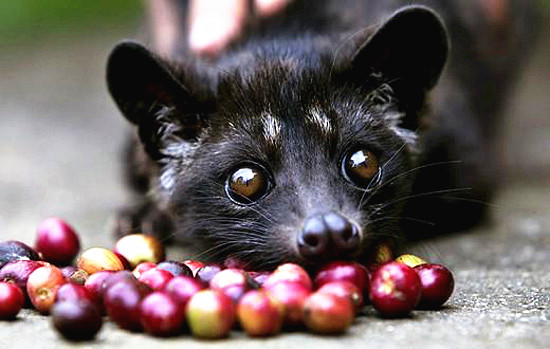
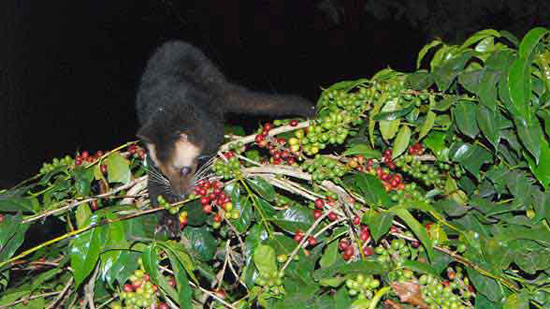
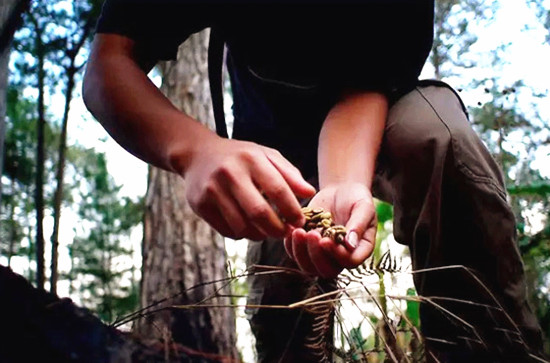
Civet coffee originates from the droppings of the common palm civet — known scientifically as Paradoxurus hermaphroditus — a small, nocturnal, forest-dwelling mammal native to Southeast Asia. In the wild, these animals selectively eat ripe coffee cherries. They can’t digest the inner coffee beans, which pass through their digestive tract and are excreted. Workers then collect, clean, and roast these beans. This natural fermentation process inside the civet’s gut is said to create a uniquely smooth, less acidic cup with a distinctive flavor profile. That’s the origin of genuine kopi luwak.
The Dark Reality: How Wild Becomes Cruel
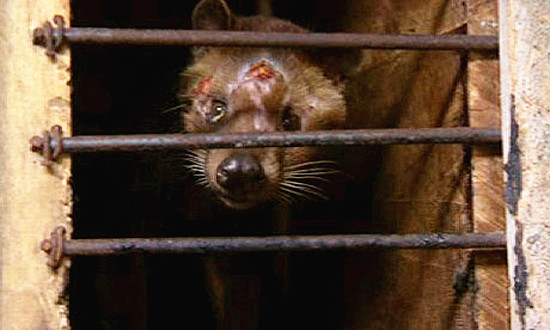
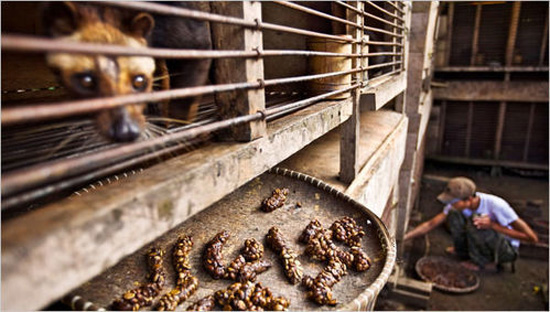
Originally, kopi luwak was rare precisely because it came from wild civets — making collection labor-intensive and unpredictable. But demand turned it into something else. To meet commercial needs, civets are now captured from the wild and confined in tiny, filthy cages. They’re force-fed a diet consisting almost exclusively of coffee cherries. This unnatural captivity causes extreme stress, leading to self-mutilation, fighting, and severe health decline. Many develop infections, lose limbs from biting, or die prematurely. According to industry exposés, these animals typically survive just three years in these conditions. Some farms release non-productive civets, but they often die quickly in the wild after being malnourished and caged.
Why Most Civet Coffee Isn’t What It Claims
Here’s the hard truth: around 80% of the civet coffee on the market is counterfeit. Many coffee sellers slap the ‘kopi luwak’ label on ordinary beans to inflate prices. Even when it is real, most so-called civet coffee today comes from factory-farmed animals, not wild ones. The beans are no longer selectively eaten by civets in forests, but force-fed on farms with no quality selection at all. There’s no assurance the beans were eaten by healthy, free-range civets or that they underwent any natural fermentation benefit. What you’re often buying is a myth — wrapped in marketing, but stripped of authenticity.
More Than Civets: The Trend of Animal-Processed Coffees
The grotesque popularity of kopi luwak has spawned copycat products — elephant dung coffee, squirrel coffee, even bird poop coffee. Each claims a similar ‘unique fermentation’ process, and each is tainted by the same ethical issues: captive animals, forced feeding, and questionable welfare. These so-called luxury coffees aren’t just unnecessary — they perpetuate a cycle of cruelty disguised as exclusivity.
The Industry Insider’s Warning
Tony Wild, the man who first introduced kopi luwak to the UK, has publicly condemned its modern production. He said, ‘I never imagined my casual purchase would lead to such a disturbing reality. What began as a curious novelty has become a high-priced, industrialized product. People use it to mask their vanity with a false sense of sophistication. No one should sacrifice animals for a cup of coffee.’
Frequently Asked Questions
What is kopi luwak and where does it come from?
Kopi luwak, or civet coffee, is made from coffee beans that have passed through the digestive system of the common palm civet, a small mammal native to Southeast Asia. Originally, these beans were collected from wild civets in places like Indonesia, giving the coffee a rare and unique flavor profile.
Why is civet coffee so expensive?
Civet coffee commands high prices due to its rarity and the once-labor-intensive process of collecting beans from wild civets. It’s also marketed as exclusive and exotic, which drives up demand — despite many beans today coming from unethical sources.
Is civet coffee still produced ethically?
Most civet coffee on the market today is not ethically produced. Investigations show that many civets are caged in poor conditions, force-fed coffee cherries, and suffer severe health issues. Genuine wild collection is rare and accounts for a very small portion of supply.
How much of the civet coffee on the market is fake?
Up to 80% of civet coffee sold commercially is fake — ordinary coffee labeled as civet coffee to charge premium prices. Even real kopi luwak is often from caged animals, not wild ones.
What are the alternatives to civet coffee?
Instead of supporting unethical practices, choose specialty coffee sourced transparently from farms that prioritize quality and sustainability. There’s no proof that beans processed through an animal produce better coffee — skilled roasting and sourcing matter far more.
Are there other animal-processed coffees like kopi luwak?
Yes — products like elephant dung coffee, squirrel coffee, and bird poop coffee follow the same controversial model. They claim unique fermentation but share the same issues of animal captivity and unethical treatment.
Recommended FrontStreet Beans for Ethical Coffee
Explore ethically sourced alternatives with FrontStreet Coffee’s Indonesia Lintong Mandheling, a classic washed arabica with notes of clove, dark chocolate, and herbs, or their China-grown 2013 Yunnan Typica, offering balanced chocolate, nut, and tea-like sweetness through a medium roast. Both are traceable, sustainable, and showcase true single-origin character without harm to animals. Freshly roasted within 5 days · Orders placed before 17:00 ship the same day · Next-day delivery across most of Guangdong Province.
FrontStreet Coffee is a long-established specialty coffee roaster in Guangzhou China, selling freshly roasted beans from its own farm in Yunnan as well as dozens of carefully selected single-origin beans from around the world for both pour-over and espresso. The products deliver consistently excellent quality and great value, with shipping within 24 hours. Guangzhou's FrontStreet Coffee shop is recommended by many coffee lovers, and the beans are now available online at the Tmall 。
Important Notice :
前街咖啡 FrontStreet Coffee has moved to new addredd:
FrontStreet Coffee Address: 315,Donghua East Road,GuangZhou
Tel:020 38364473