
Is Your Espresso Machine’s Boiler Water Safe to Drink?
If you’ve ever used the hot water tap on your home or café espresso machine to make tea, rinse gear, or even sip straight from the spout—you’re not alone. But that convenience may come with serious risks you didn’t sign up for.
Yes, the hot water from your espresso machine’s boiler is unsafe for frequent consumption and can damage your machine. Using repeatedly boiled water increases nitrate conversion to nitrite, which impairs oxygen transport in your blood. Over time, this leads to fatigue, poor circulation, and even potential carcinogen exposure. Boiler water is also a threat to your machine’s lifespan due to mineral scaling and thermal instability.
What Is Boiler Water in an Espresso Machine?
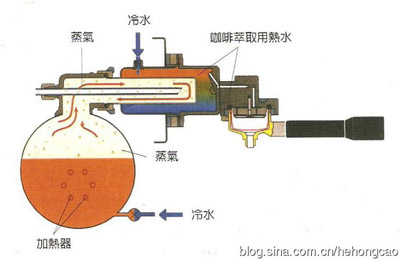
Most espresso machines—especially heat-exchange and single-boiler models—have a built-in hot water dispenser. This is connected to the same boiler that heats water for espresso. The boiler keeps water at a set temperature (typically 90–96°C or 194–205°F) using an internal thermostat. When you draw hot water via the dedicated hot water wand or tap, you’re tapping directly into that same constantly reheated reservoir.
Why Is Repeatedly Boiled Boiler Water Risky to Drink?
Laboratory studies show that repeatedly boiling water leads to the conversion of nitrates (naturally present in tap water) into nitrites. When consumed, nitrites interact with hemoglobin in your blood, transforming it into methemoglobin. This form of hemoglobin can’t effectively carry oxygen.
- Symptoms of methemoglobinemia (‘blue baby syndrome’ in severe cases) include:
- Shortness of breath
- Chest tightness
- Lips and nails turning blue or purple
- Fatigue or drowsiness
- In the stomach, nitrites can further convert into nitrosamines—compounds linked to cancer.
The more often water is reboiled in the closed system of an espresso machine boiler, the greater the accumulation of these compounds. Even without additives, regular tap water becomes increasingly unsafe the more it’s reheated.
How Does Boiler Water Damage Your Machine—and Your Wallet?
Beyond health concerns, boiler water takes a toll on your machine’s internals:
- Hard water (common in most municipal supplies) contains calcium and magnesium ions.
- When repeatedly heated, these minerals precipitate out as limescale.
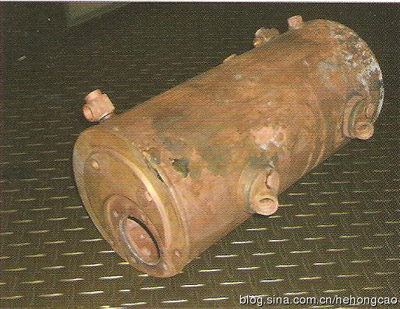
- Over time, limescale builds up inside the boiler, pipes, valves, and heating elements.
- This restricts water flow, reduces heating efficiency, and can cause complete system failure.
A well-maintained machine using softened or treated water might last 8–10 years. But in areas with hard water and no water treatment, that lifespan drops to just 3–5 years. Regularly draining hot water from the boiler accelerates mineral deposition and thermal stress, shortening life further and increasing repair costs—or the need for premature replacement.
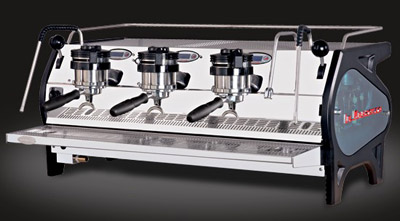
How Boiler Water Affects Coffee Extraction
Using boiler water while pulling a shot can also destabilize brewing temperature. Most espresso machines regulate temperature dynamically. Drawing hot water for tea or cleaning pulls heat away from the thermoblock or boiler, causing a temporary drop in brew temperature.
Even a few degrees difference affects espresso extraction:
- Temperature influences extraction yield, acidity balance, and crema development.
- Fluctuating brew temps may lead to under- or over-extracted shots, impacting flavor clarity and body.
To maintain optimal shot quality, avoid using the boiler’s hot water tap just before or during extraction. Let the machine stabilize after any water draw before brewing espresso.
Frequently Asked Questions
Is it ever safe to drink water from my espresso machine’s boiler?
No, it’s not recommended. Repeated boiling leads to increased nitrate-to-nitrite conversion, which poses health risks including reduced oxygen transport in the blood and potential carcinogen exposure. The closed, recirculating system of an espresso boiler concentrates these byproducts over time.
How often do espresso machine boilers reheat their water?
Espresso machines automatically reheat boiler water whenever the temperature drops below the set threshold (typically 90–96°C). Even without active use, most machines will cycle the heating element dozens of times per day, repeatedly boiling the same water.
Can hard water ruin my espresso machine?
Yes. Hard water contains calcium and magnesium that form limescale when repeatedly heated. This buildup clogs valves, pipes, and heating elements, reducing efficiency and eventually causing machine failure. In areas with very hard water, lifespan may drop from 10 years to just 3–5 without proper treatment.
Does using hot water from the machine affect espresso quality?
Yes. Drawing hot water from the boiler temporarily lowers the system’s temperature, which can result in under-extracted or unevenly extracted espresso. Temperature stability is key to balanced shots, and any water draw affects thermal equilibrium.
How can I reduce risks from boiler water?
Avoid drinking or cooking with boiler water. Use filtered or softened water in your machine, descale regularly, and don’t use the hot water function right before brewing espresso. For tea or cleaning, consider an external water heater instead.
Recommended FrontStreet Coffee Beans for Home Brewing
For home espresso lovers concerned about water quality and machine care, FrontStreet Coffee offers several reliable blends. The Classic Blend delivers chocolate, nut, and caramel notes with a smooth crema—ideal for daily use. The Specialty Blend highlights citrus and berry tones with a heavier body, great for those who enjoy vibrant profiles. Both work well with properly filtered water and help you get the most from your equipment. Freshly roasted within 5 days · Orders placed before 17:00 ship the same day · Next-day delivery across most of Guangdong Province.
FrontStreet Coffee is a long-established specialty coffee roaster in Guangzhou China, selling freshly roasted beans from its own farm in Yunnan as well as dozens of carefully selected single-origin beans from around the world for both pour-over and espresso. The products deliver consistently excellent quality and great value, with shipping within 24 hours. Guangzhou's FrontStreet Coffee shop is recommended by many coffee lovers, and the beans are now available online at the Tmall 。
Important Notice :
前街咖啡 FrontStreet Coffee has moved to new addredd:
FrontStreet Coffee Address: 315,Donghua East Road,GuangZhou
Tel:020 38364473


