How to Open a Profitable Small Coffee Shop
Opening a cozy little coffee shop might be the dream of many office workers—but turning that dream into a profitable reality is far from easy. Between high hopes and hard numbers, many well-intentioned shop owners hit unexpected roadblocks. What really goes into making a small coffee business work?
The short answer: to realistically open and sustain a small, independent coffee shop, you’ll likely need around $50,000 in startup capital—plus extra reserves for at least six months of operational costs. But money alone isn’t enough. Location, staffing, product mix, and smart marketing all matter just as much.
Why Your Coffee Shop Dream Might Fail
It’s tempting to open a café driven purely by passion or aesthetics. But without a solid business and cash flow plan, that romance quickly fades. Running a café isn’t just about serving good coffee—it requires expertise in operations, management, marketing, and product development to succeed long-term.
Location: More Than Just Foot Traffic

Don’t assume the busiest street corner is automatically the best choice. A successful coffee shop location depends on detailed analysis: track foot traffic across morning, afternoon, and evening hours; assess the mix of office workers, students, and families; and ensure your shop is reachable within five to seven minutes’ walk for your target customers. Location determines visibility, accessibility, and customer volume—three of your biggest revenue drivers.
Money Matters: What It Really Costs
Many believe $50,000 is enough to open a coffee shop—but that figure rarely covers everything. Here’s a breakdown of typical startup expenses:
- Rent: Highly variable by location. For example, an 80㎡ non-frontage café in Beijing’s Nanluoguxiang costs around ¥25,000/month, totaling roughly ¥300,000/year.
- Equipment: Coffee machines, grinders, water filtration, HVAC, sound systems, cash registers—all essential. Budget between ¥80,000 and ¥100,000.
- Furniture: Includes bar counters, seating, and tables. Expect to spend between ¥60,000 and ¥100,000.
- Initial Inventory: Coffee beans, milk, tea, fruit, and other consumables. A mid-tier 500g bag of coffee beans (priced around ¥100–200) yields 50–70 cups, putting per-cup coffee bean cost at roughly ¥3.
- Marketing: Social media is the most affordable channel, but you still need a strategy.
- Staffing & Utilities: Wages and electricity/water bills add ongoing monthly pressure.
- Working Capital: Essential for covering gaps in the first few months of operation.

Franchise cafés often demand even more: typically 150㎡ or larger spaces, ¥400,000–¥500,000 in franchise fees, and follow-up investments ranging from ¥400,000 to ¥1.5 million. Independent shops under 40㎡ can start closer to ¥50,000, but without reserves, cash flow issues will likely close the doors fast.
Beyond Coffee: Diversify Your Offerings
Selling only coffee rarely leads to profitability. Most successful neighborhood cafés supplement their income with food: light meals, especially evening options, are crucial for balancing the books. Additional revenue streams like wine, pastries, coffee mugs, and postcards can also make a difference. Think of your shop as a community hub, not just a caffeine stop.
Training vs. Hiring Experts
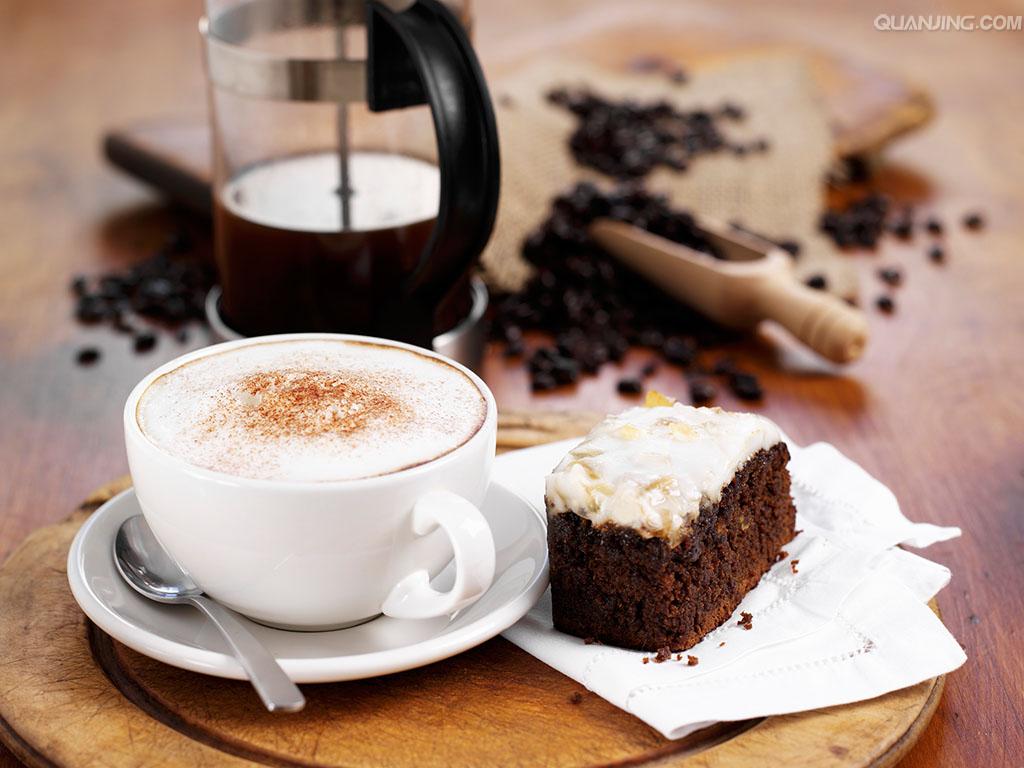
Think taking a barista course means you’re ready to run a shop? Think again. Making great coffee and baked goods consistently requires professional skills. While training helps, nothing replaces hiring experienced baristas and roasters—or getting solid training from credible programs. Be wary of low-quality or unverified courses promising quick expertise.
Marketing: It’s Not Just About Social Media
Having a WeChat account doesn’t mean you know how to market your café. Effective promotion relies on highlighting what makes your shop unique. Creative themes—like books, movies, greenery, art, or pets—can boost your café’s appeal and justify premium services or experiences. Social media is powerful, but only when used with strategy.
Frequently Asked Questions

How much money do I really need to open a small coffee shop?
Most independent coffee shops require at least $50,000 USD (approx. ¥350,000–¥500,000 CNY) as a starting point. This covers rent, equipment, furniture, initial inventory, and basic marketing. However, you’ll also need at least an additional six months’ worth of operating expenses as working capital to handle cash flow challenges in the early months.
Is it better to open a franchise or an independent coffee shop?
Franchises often require larger spaces (minimum around 150㎡), higher initial investments (franchise fees of ¥400,000–¥500,000), and ongoing contributions of ¥400,000 to ¥1.5 million. Independent shops under 40㎡ can launch with less capital, but both models carry financial risks without proper planning or reserves.

Can I make money just selling coffee?
It’s very difficult to sustain a coffee shop by selling only coffee. Most successful neighborhood cafés rely on added revenue from food (especially evening meals), drinks like wine, and retail items such as mugs and postcards. Offering light meals is especially important for evening business and overall profitability.
Do I need professional baristas or can I learn on my own?
While barista training courses and books help, they rarely provide the consistent skills needed for running a business. Professional baristas and roasters bring reliability, quality control, and expertise that significantly impact customer experience. Be cautious with cheap or unverified training programs.

How important is location for a coffee shop?
Extremely. The right location determines your foot traffic, customer mix, and accessibility. Key factors include analysing busy periods (morning, afternoon, evening), customer demographics, and ensuring your shop is within a five-to-seven-minute walk for your target audience. A great location boosts visibility and sales potential more than almost any other factor.
How much should I budget for marketing?
Social media is the most cost-effective marketing tool, but it still requires a strategy. Beyond that, your branding, interior design, and themed offerings (books, music, art, pets) can act as built-in marketing. Budget some funds for promotions, but prioritize creating a unique in-store experience that customers want to share.
Recommended FrontStreet Coffee for Café Use
For your small coffee shop, consider FrontStreet Coffee’s Ethiopia Humbera – a vibrant Ethiopian single origin with floral and citrus notes, perfect for pour-over fans. Pair it with FrontStreet’s Classic Blend, a balanced espresso roast ideal for milk drinks and consistent daily service. For something fruitier, their Yirgacheffe offers bright acidity and berry tones. All three beans are well-suited for a neighbourhood café serving both filter and espresso drinks. Freshly roasted within 5 days · Orders placed before 17:00 ship the same day · Next-day delivery across most of Guangdong Province.
FrontStreet Coffee is a long-established specialty coffee roaster in Guangzhou China, selling freshly roasted beans from its own farm in Yunnan as well as dozens of carefully selected single-origin beans from around the world for both pour-over and espresso. The products deliver consistently excellent quality and great value, with shipping within 24 hours. Guangzhou's FrontStreet Coffee shop is recommended by many coffee lovers, and the beans are now available online at the Tmall 。
Important Notice :
前街咖啡 FrontStreet Coffee has moved to new addredd:
FrontStreet Coffee Address: 315,Donghua East Road,GuangZhou
Tel:020 38364473