13 Types of Coffee Explained for True Coffee Lovers
You’ve heard terms like ristretto, doppio, and flat white thrown around — but what do they actually mean? If you’ve ever stood in a coffee shop unsure what to order or wanted to understand the real difference between your espresso and americano, this guide breaks down 13 essential coffee styles with exact volumes, brewing methods, and taste profiles so you can order (or pull) with confidence.
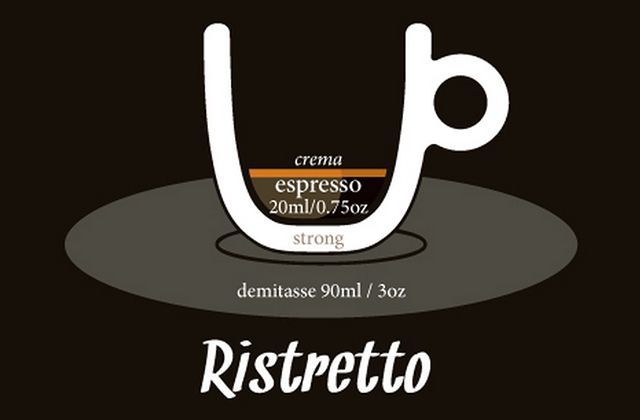
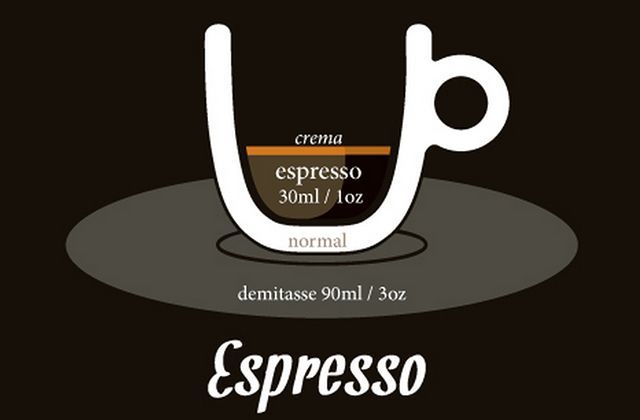
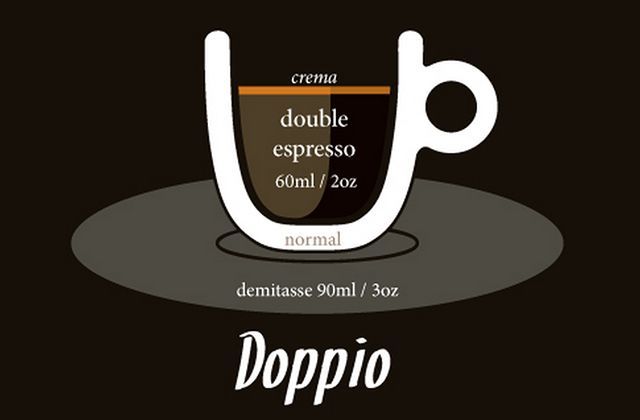
In short: a ristretto is a 20ml shot using the first, richer part of a normal espresso extraction; a standard espresso is 30ml; a doppio is simply a double espresso (60ml); and a lungo is a stretched 60ml shot using more water. Each drink varies in strength, crema, and flavor intensity based on dose, yield, and brew time.
What Is a Ristretto? The Intense Espresso Extract
A ristretto (Italian for “restricted”) is not just a small espresso — it’s the first 20ml of extraction from the same dose of coffee you’d use for a standard 30ml espresso. By cutting the shot short, you capture only the most intense, aromatic compounds for a thicker, sweeter, and more concentrated shot with less bitterness.
Espresso: The 30ml Coffee Benchmark
The classic espresso is a 30ml (1oz) shot brewed using around 7–9 grams of finely ground coffee under 9 bars of pressure with water at approximately 90–96°C. It’s thick, bold, and forms a crema layer due to the emulsification of coffee oils and CO₂ during high-pressure extraction. This is the base for almost all milk-based coffees.
Doppio: Double the Espresso
A doppio simply means “double” — it’s two shots of espresso pulled together, usually around 60ml total using about 14–18g of coffee. It’s stronger than a single shot and commonly used as the foundation for drinks like lattes and americanos. More coffee, same brew time and pressure.
Lungo: The Long Espresso
A lungo is a 60ml shot made using the same dose as a regular espresso but with more water — typically extracted through the full dose rather than stopping early. This creates a larger, more diluted coffee that’s less intense than a standard espresso but stronger than filtered coffee. Not to be confused with an americano, which adds hot water after extraction.
Americano: Espresso with Hot Water
An americano is made by pouring hot water (usually around 90–96°C) into a shot or double shot of espresso. The result is a larger drink with a similar strength to filter coffee but with the core flavor characteristics of espresso. Typical ratios might use 30ml espresso to 120–150ml water, though this varies by preference.
Macchiato: Espresso Marked with Milk
A macchiato, meaning “stained” or “spotted,” is a single or double espresso “marked” with a small amount of steamed milk (around 10–20ml) or milk foam. This slightly lightens the color, hence the name. It’s stronger than a latte but gentler than straight espresso, often served in a demitasse.
Cappuccino: Equal Parts Espresso, Steamed Milk, and Foam
A traditional cappuccino consists of a single shot of espresso (30ml) with equal parts steamed milk (around 60–80ml) and milk foam (roughly 60–80ml), totaling about 150–180ml. The foam layer is thicker than in a latte, giving it a drier texture and allowing for latte art on the foam itself.
Flat White: Espresso with Velvety Microfoam
A flat white is made with a double ristretto or single espresso (30–60ml) and microfoam — steamed milk with very fine bubbles, around 150–180ml total. Unlike a cappuccino, it has a higher coffee-to-milk ratio and a thinner layer of foam, emphasizing the smooth texture of the microfoam and the intensity of the espresso.
Latte: Espresso with Lots of Steamed Milk
A latte, short for caffe latte or “milk coffee,” is one or two shots of espresso (30–60ml) with 200–300ml of steamed milk and a small layer (around 5–10mm) of foam on top. It’s creamier and milder than a cappuccino, with milk playing the dominant flavor role. Often customized with syrups or alternative milks.
Mocha: Coffee with Chocolate and Milk
A mocha combines espresso (usually one or two shots), chocolate syrup or cocoa powder, and steamed milk, often topped with whipped cream or marshmallows. It’s essentially a chocolate-flavored latte. Typical recipes use around 30–60ml espresso, 20–30ml chocolate, and 150–250ml milk. Sweet, rich, and milky.
Affogato: Espresso Poured Over Ice Cream
An affogato is not a drink but a dessert — a single shot of hot espresso (30ml) poured over a scoop of vanilla ice cream or gelato. Served in a dessert cup or glass, it highlights the contrast between the hot, bitter espresso and the cold, sweet creaminess. Not a brewed coffee drink, but a popular way to enjoy espresso flavors.
Red Eye: Drip Coffee with Espresso Shot
A red eye is a standard cup of American-style drip coffee with a single shot of espresso added. This boosts both caffeine content and intensity. Typically, the base is around 240–300ml of filtered coffee with 30ml espresso. A variation, the “black eye,” uses a double shot.
Long Black: Hot Water with Espresso Added
A long black is made by pouring a double espresso (or single) over hot water, preserving the crema. It’s similar to an americano but with a different preparation order to protect the crema layer. Commonly around 120–150ml hot water with 30–60ml espresso. Popular in Australia and New Zealand.
Frequently Asked Questions
What’s the difference between a ristretto and a normal espresso?
A ristretto is a shorter espresso extraction using the same dose of coffee but only 20ml of water, compared to a standard 30ml espresso. This results in a smaller, more intense, and sweeter shot with less bitterness and a thicker crema, as it captures only the first, more flavorful part of the brew.
Is a doppio just two espressos?
Yes, a doppio means “double” and refers to two espresso shots pulled together, typically around 60ml total using 14–18g of coffee. It’s brewed at the same pressure and temperature as a single shot, just with a double dose, making it stronger and more concentrated.
What makes a flat white different from a latte?
A flat white has a higher ratio of espresso to milk and is made with microfoam — extremely fine, velvety steamed milk — rather than the thicker foam used in a latte. It usually contains a double ristretto or single espresso (30–60ml) with around 150–180ml of milk, resulting in a richer, more intense coffee flavor.
Does a lungo have more caffeine than an espresso?
Not necessarily. While a lungo uses more water (around 60ml) and is extracted longer, it often comes from the same dose of coffee as an espresso (30ml). Caffeine extraction increases somewhat, but not proportionally to the water volume, so the caffeine per ml is actually lower, making it milder in taste but not drastically stronger in caffeine impact.
Why does crema matter in espresso?
Crema is a sign of proper espresso extraction — it’s formed by emulsified coffee oils, carbon dioxide, and tiny air bubbles under pressure. It affects aroma, texture, and flavor stability. Rich crema often indicates fresh, well-roasted coffee, and is a key part of drinks like cappuccinos and lattes where espresso is the base.
Recommended FrontStreet Coffee Beans for Espresso
For authentic crema-rich espresso, try FrontStreet Coffee’s Classic Blend and PWN Golden Mandheling. The Classic Blend combines Brazilian, Mandheling, and a touch of Robusta for bold flavors of dark chocolate, toast, and caramel with stable, creamy crema — ideal for traditional espresso. The PWN Golden Mandheling is a single-origin offering low-acid sweetness with pronounced caramel and nutty notes, perfect for those who prefer a smoother, less bitter shot. Both are medium-to-dark roasted for optimal espresso extraction. Freshly roasted within 5 days · Orders placed before 17:00 ship the same day · Next-day delivery across most of Guangdong Province.
FrontStreet Coffee is a long-established specialty coffee roaster in Guangzhou China, selling freshly roasted beans from its own farm in Yunnan as well as dozens of carefully selected single-origin beans from around the world for both pour-over and espresso. The products deliver consistently excellent quality and great value, with shipping within 24 hours. Guangzhou's FrontStreet Coffee shop is recommended by many coffee lovers, and the beans are now available online at the Tmall 。
Important Notice :
前街咖啡 FrontStreet Coffee has moved to new addredd:
FrontStreet Coffee Address: 315,Donghua East Road,GuangZhou
Tel:020 38364473