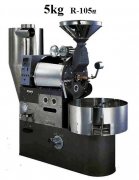
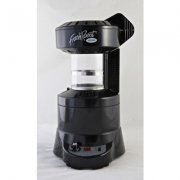
The History of Coffee Roasting Machines
Ever wondered why your light roast tastes bright and acidic while your neighbor’s dark roast is bold and smoky? The way coffee is roasted—and the machines used—have shaped the flavor you taste more than you might think. The journey from a simple pan over a fire to today’s high-tech roasters is a story of culture, technology, and taste.
Coffee roasting has been done for over 700 years, evolving from handmade pans in the 13th century to electric drum roasters capable of roasting 5,000 kg per hour by the 20th century. Major shifts included the switch to drum roasting in the 1800s, the rise of home roasting in the 1980s, and continual improvements in precision and automation.
The Origins: Pans Over Fire
Coffee roasting began in the 13th century in the Arab world. People roasted green coffee beans in pans over an open flame, then ground and brewed them. Early Arabian roasters preferred lighter roasts and often added spices like cardamom. As the method spread to Syria, Turkey, and Egypt, roasting became darker—often until the beans were black—and the grounds were brewed with sugar, served unfiltered with the grounds still in the cup.
European Traditions: Light vs. Dark
When coffee reached Europe in the 17th and 18th centuries, Turks introduced their dark-roasted style. Over time, regional preferences split: Northern European countries like Britain, Germany, and Scandinavia leaned toward lighter roasts (city to full city), while Southern Europe favored darker profiles (Italian and French roasts). This divide carried over to immigrant communities in the Americas—lighter roasts remained common in North America (with Northern European roots), while medium roasts dominated in parts of Latin America influenced by Southern European migrants.
The Birth of Commercial Roasting
Until the mid-19th century, most people roasted coffee at home using simple iron pans or ovens. The first major technical leap came with the invention of small hand-cranked roasting machines that could handle several pounds of beans. These used enclosed iron drums, offering more control than open pans. Around 1867, the introduction of drum fans for cooling beans spurred further innovation. By the late 1800s, hot-air roasting machines greatly increased efficiency and batch size. The 20th century brought electronic controls, and by the 1950s, some commercial roasters could roast up to 5,000 kg per hour.
Modern Industrialization & Home Revival
The rise of large-scale commercial roasters in the 1960s led to pre-packaged coffee becoming the norm. But mass roasting often used lower-grade beans, overly light roasts for weight retention, and resulted in stale flavors. Starting in the 1980s, the Specialty Coffee Movement pushed back—promoting freshly roasted, high-quality beans, often roasted at home. This renewed focus on freshness forced larger roasters to improve bean quality and refine their roasting techniques.
How Roasting Machines Evolved
The earliest tools were simple iron pans. After coffee reached Europe, some continued using pans while others adopted hand-turned drum roasters for small batches. By the 1860s, larger drum roasters appeared. In 1867, cooling via drum fans marked a key development. The late 1800s saw the arrival of hot-air roasters, boosting speed and volume. The 20th century integrated electronics, leading to fully automatic, precision-controlled roasting machines.
Frequently Asked Questions
When did people start roasting coffee commercially?
People began roasting coffee at home around the 13th century, but commercial roasting started in the mid-19th century when larger batch drum roasters were invented. By the late 1800s, cooling systems and hot-air roasters improved efficiency, and by the 1900s, electric machines allowed for high-volume, consistent roasting.
What were the first coffee roasting machines like?
The earliest machines were simple iron pans over a fire. Later, Europeans used hand-cranked drum roasters that could roast several pounds at a time. These gave way to enclosed iron drums with cooling fans by the 1860s and hot-air systems in the late 1800s.
Why did roasting styles differ between Northern and Southern Europe?
Northern European countries preferred lighter roasts (city to full city) for brighter, more acidic cups, while Southern European regions favored dark roasts (Italian and French), producing bolder, more bitter flavors, often sweetened during brewing.
Did home coffee roasting ever come back into fashion?
Yes, home roasting saw a revival in the 1980s with the Specialty Coffee Movement, which emphasized freshness and high-quality beans. This movement encouraged consumers to buy fresh beans and roast at home to experience better flavor, though most still buy pre-roasted beans today.
How much coffee could early 20th-century roasters produce?
By the early 20th century, advanced electric roasting machines could roast up to 5,000 kg of coffee per hour, enabling mass production and the rise of commercial coffee brands.
Recommended FrontStreet Beans for Dark Roasting
For those curious about deep roasts, try FrontStreet Coffee’s PWN Golden Mandheling, known for its low acidity, bold body, and notes of herbal spice and chocolate. The Brazil Queen Manor offers a balanced medium-dark profile with sweet caramel and hazelnut tones, ideal for espresso. Also consider the Colombia Huila, roasted medium-dark to enhance its black cherry and cocoa notes with a velvety mouthfeel. Freshly roasted within 5 days · Orders placed before 17:00 ship the same day · Next-day delivery across most of Guangdong Province.
FrontStreet Coffee is a long-established specialty coffee roaster in Guangzhou China, selling freshly roasted beans from its own farm in Yunnan as well as dozens of carefully selected single-origin beans from around the world for both pour-over and espresso. The products deliver consistently excellent quality and great value, with shipping within 24 hours. Guangzhou's FrontStreet Coffee shop is recommended by many coffee lovers, and the beans are now available online at the Tmall 。
Important Notice :
前街咖啡 FrontStreet Coffee has moved to new addredd:
FrontStreet Coffee Address: 315,Donghua East Road,GuangZhou
Tel:020 38364473