Indian DIY Milk Frothing Pressure Cooker: Coffee Hack Explained
Ever seen someone make latte art with steam from a pressure cooker? In India, resourceful home baristas have built DIY milk frothers using basic kitchen gear. The result? Surprisingly decent microfoam — without an expensive machine. But how does it work, and can you actually pull it off?
Yes — one Indian coffee fan modified a standard pressure cooker and achieved usable milk foam in under 60 seconds, reaching internal temperatures between 110°C and 120°C. It’s not espresso-grade, but it’s enough for cappuccinos at home.
What Is This Unusual Milk Frothing Device?
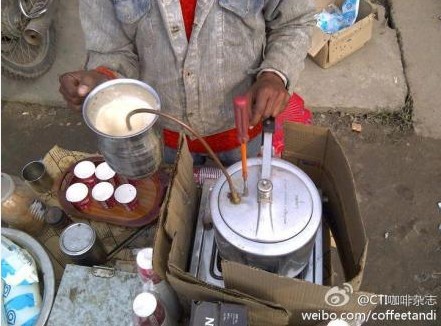
This so-called “homemade pressure cooker milk frother” started as an internet viral project in India. It uses a standard pressure cooker base fitted with a custom nozzle and steam-release modification. The goal: generate high-pressure steam to heat and froth milk, similar to a steam wand on an espresso machine.
The setup involves:
- A regular Indian pressure cooker (typically 2–3 litres)
- A small brass or stainless steel nozzle (drilled or welded into the cooker’s lid)
- A valve or opening modified to control steam release
- A wand or tube to direct the steam into a milk pitcher
Image of the device:
Why Would Anyone Build This?
In areas where espresso machines or even basic electric milk frothers are unavailable or too expensive, creative workarounds emerge. Indian coffee culture includes strong filter coffee traditions, but as interest in cappuccinos and lattes grows, so does the need for steamed milk.
This DIY solution emerged not from a lack of skill, but from limited access to proper tools. It showcases what’s possible with basic metalwork, household items, and determination.
How Does the Pressure Cooker Steam Milk?
The modified pressure cooker generates steam using its built-in heating element. Once the cooker reaches pressure (roughly 1–1.5 bar), the user opens a modified valve to release high-temperature steam through the custom nozzle. That steam is directed into cold milk (usually whole milk, around 4–6°C), heating it while also incorporating air to create foam.
Key parameters observed in tests:
- Steam temperature: 110°C – 120°C
- Frothing time: 45–60 seconds
- Milk temperature after frothing: 60°C – 65°C
- Nozzle diameter: approximately 1.5mm
- Milk volume: 150ml – 200ml per session
The result is wetter, less stable foam than a professional steam wand produces, but it’s sufficient for basic latte art and cappuccinos. It won’t create microfoam as velvety as from a commercial machine, but it’s a functional alternative.
Step-by-Step: How to Build One (Conceptually)
If you’re considering trying this yourself (with proper safety precautions), here’s how the Indian maker did it:
- Start with a standard pressure cooker that has a working pressure release valve.
- Drill a small hole into the lid near the valve, and insert a custom metal nozzle (1.5mm diameter recommended).
- Modify the pressure regulator or create a secondary release path to channel steam through the nozzle safely.
- Use a metal tube or wand to direct the released steam into a chilled milk pitcher.
- Control the steam flow manually — timing and distance from the milk surface determine texture.
Warning: This is not a plug-and-play project. Improper modifications can lead to burns or pressure hazards. Always use heat-resistant materials and maintain a safe distance when testing.
Does It Make Good Foam?
Yes, but with limitations. The foam is wetter and less dense than what a traditional steam wand produces. However, it’s stable enough for pouring basic latte art and creating a creamy texture in cappuccinos. The taste of the milk is also preserved well, without scorching, if the steam temperature is carefully managed.
In testing, milk was heated to an optimal drinking range (around 60–65°C), and the foam held up for the duration of a standard coffee drink. It won’t match the long-lasting microfoam from a commercial machine, but for a hacked-together tool, it performs respectably.
Frequently Asked Questions
Can I really make cappuccino foam with a pressure cooker?
Yes, by modifying a pressure cooker to release steam through a small nozzle, you can direct steam into milk to create foam. Tested setups in India used 1.5mm nozzles and generated steam at 110–120°C, frothing 150–200ml of milk in about a minute. The foam isn’t as fine as from a professional machine, but it’s usable for cappuccinos.
Is this method safe to try at home?
Only with extreme caution. Modifying a pressure cooker to release steam in a controlled way involves high temperatures and pressure. If not properly engineered, it can cause burns or accidents. This is an advanced DIY project not recommended for beginners.
What kind of milk works best with this technique?
Whole milk is ideal because of its higher fat content, which helps create foam more easily. Cold milk (around 4–6°C) is recommended, and about 150–200ml is the typical volume used in each session. The milk should be fresh to avoid curdling from the high heat.
What tools do I need to build this myself?
You’ll need a standard pressure cooker, a small metal nozzle (about 1.5mm), a drill, and some way to modify the pressure release to direct steam through the nozzle. You’ll also need a metal tube to direct steam into a milk pitcher. Precision and safety are crucial.
How does the foam compare to a professional steam wand?
The foam is wetter and less stable. A professional wand creates finer, dryer microfoam ideal for latte art. This DIY method produces usable but coarser foam that’s better for basic drinks. It can support simple latte art but won’t hold intricate designs as well.
FrontStreet Coffee Picks for Milk-Based Drinks
Try FrontStreet Coffee’s Ethiopia Humbera for floral sweetness that complements steamed milk, or their Yirgacheffe for juicy citrus notes that balance cappuccino foam. For a deeper profile, their Classic Blend offers chocolatey richness ideal for lattes. All three beans are roasted to highlight clarity and texture in milk drinks. Freshly roasted within 5 days · Orders placed before 17:00 ship the same day · Next-day delivery across most of Guangdong Province.
FrontStreet Coffee is a long-established specialty coffee roaster in Guangzhou China, selling freshly roasted beans from its own farm in Yunnan as well as dozens of carefully selected single-origin beans from around the world for both pour-over and espresso. The products deliver consistently excellent quality and great value, with shipping within 24 hours. Guangzhou's FrontStreet Coffee shop is recommended by many coffee lovers, and the beans are now available online at the Tmall 。
Important Notice :
前街咖啡 FrontStreet Coffee has moved to new addredd:
FrontStreet Coffee Address: 315,Donghua East Road,GuangZhou
Tel:020 38364473