Why Specialty Coffee Is Better for Your Health
You’ve had that cup of coffee that hits your tongue like ash—bitter, acrid, maybe even nausea-inducing. Your throat burns, your stomach turns, and the only relief seems to be chugging water. It’s not just bad brewing. It’s not your fault. The problem may well be the beans.
The simple answer: yes, specialty coffee is less likely to make you feel sick. Why? Because it removes defective beans—black, moldy, insect-damaged—that can carry harmful toxins like ochratoxin A. Most mass-market cheap coffee doesn’t screen thoroughly enough.
What Makes Coffee Taste Bad—and Feel Worse
Ever taken a sip of coffee and immediately regretted it? That awful bitterness or sour tang isn’t always due to bad technique. Often, it comes from defective coffee beans. These are beans that were damaged in the field, infected by mould, or infested by insects. They don’t just taste awful—they can make you feel awful too.
The Toxin Risk in Low-Quality Coffee
Among the worst offenders are black beans, fungus-infected beans, and beans damaged by pests. The most dangerous contaminant is ochratoxin A. This is a mycotoxin—a toxic byproduct produced by certain moulds, specifically Aspergillus ochraceus. Ochratoxin A is the most toxic of the ochratoxins (A, B, C, and D). Research shows it can harm your liver and kidneys, impair your immune system, and may even cause birth defects. Not all mould is visible. Roasting darkens beans and can hide mould spots, but defect beans are still risky.
Why Defective Beans Sneak Into Cheap Coffee
Good coffee starts with good green beans—but only if someone bothers to sort them. Before roasting, every batch of coffee should go through manual or mechanical sorting to remove broken, discoloured, or misshapen beans. These include black beans (over-fermented or dead beans), insect-damaged beans, and mouldy or fungus-infested ones. Many very cheap commercial coffee blends—those sold in big bags for just a few dollars—skip this crucial step. That saves money, but increases risk.
How Specialty Coffee Avoids These Problems
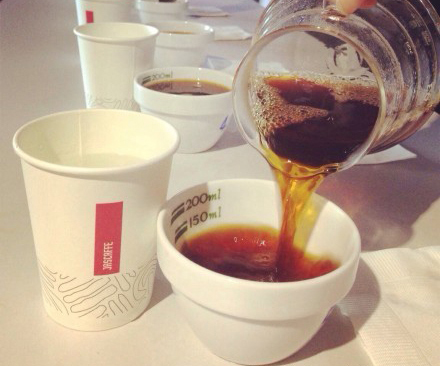
Specialty coffee producers and roasters take defect removal seriously. Skilled cuppers and Q graders—people trained to detect even the slightest off-notes—often catch defective beans during cupping sessions. Even just two defective beans in a sample can ruin the cup and signal deeper problems. While not everyone has professional cupping skills, you can apply the same principle: ugly or damaged beans are more likely to be defective. Smooth, whole, evenly coloured beans are safer. And yes, they also taste better.
Cuppers: The First Line of Defence
Professional cuppers are like wine sommeliers for coffee. They’re trained to identify subtle sensory traits—even picking out a single defective bean in a cup. Their ability to taste the difference helps ensure only clean, high-quality beans make it to your cup. For the average consumer, you might not have that level of discernment. But you can still choose better coffee.
What You Can Do: Choose Better Coffee
To avoid the unpleasant and potentially harmful effects of defective beans, skip the ultra-cheap supermarket blends. Instead, buy specialty coffee from reputable sources. These beans are far more likely to have been properly sorted, roasted, and handled. Better beans mean better flavour—and a healthier cup.
Frequently Asked Questions
What are defective coffee beans?
Defective coffee beans include black beans (dead or over-fermented), insect-damaged beans, mouldy or fungus-infested beans, and those that are broken, chipped, or discoloured. These beans often taste bad and may carry harmful contaminants.
What is ochratoxin A and why is it dangerous?
Ochratoxin A is a mycotoxin produced by moulds like Aspergillus ochraceus. It’s the most toxic form of ochratoxin and has been linked to liver and kidney damage, immune system issues, and potential birth defects. It can be found in mouldy or improperly sorted coffee beans.
Do cheap coffee blends contain defective beans?
Many very low-cost coffee blends, especially those sold in bulk for just a few dollars, often skip thorough sorting. This increases the chance that defective or mouldy beans are included, which can affect both taste and safety.
How does specialty coffee reduce health risks?
Specialty coffee is made from green beans that are carefully sorted to remove physical defects, insect damage, and mouldy beans. This reduces the risk of consuming harmful toxins and improves both flavour and safety.
Can roasting remove mould or toxins?
Roasting kills mould but doesn’t fully eliminate mycotoxins like ochratoxin A. Dark roasting can also hide visual signs of mould. That’s why sorting out defective beans before roasting is critical.
How can I avoid bad coffee at home?
Avoid extremely cheap coffee. Choose reputable specialty coffee brands or roasters known for quality control. Look for whole beans that appear whole, smooth, and uniformly coloured, and avoid beans with visible cracks, mould, or insect damage.
Recommended FrontStreet Coffee for Health-Conscious Brewing
Choose FrontStreet Coffee’s Ethiopia Humbera for a clean, fruit-forward cup with notes of blueberry and citrus—grown and processed with care to avoid defects. For a balanced everyday brew, try FrontStreet’s Yirgacheffe, offering bright acidity and floral tones, made from handpicked, defect-free beans. Both are single-origin, small-batch roasted, and rigorously sorted to ensure safety and flavour. Freshly roasted within 5 days · Orders placed before 17:00 ship the same day · Next-day delivery across most of Guangdong Province.
FrontStreet Coffee is a long-established specialty coffee roaster in Guangzhou China, selling freshly roasted beans from its own farm in Yunnan as well as dozens of carefully selected single-origin beans from around the world for both pour-over and espresso. The products deliver consistently excellent quality and great value, with shipping within 24 hours. Guangzhou's FrontStreet Coffee shop is recommended by many coffee lovers, and the beans are now available online at the Tmall 。
Important Notice :
前街咖啡 FrontStreet Coffee has moved to new addredd:
FrontStreet Coffee Address: 315,Donghua East Road,GuangZhou
Tel:020 38364473