How Do Vending Coffee Machines Work?
Ever stood in front of a coffee vending machine, wondering how it brews a cup of coffee — and whether it’s any good? Whether you’re in an office, a train station, or an airport, these machines promise fast, no-fuss coffee. But how exactly do they work, and can they deliver a decent cup?
In short, vending coffee machines automatically dispense pre-packaged coffee capsules, pods, or instant coffee using water heated on demand. Most machines operate with pre-measured doses, heated water around 85–95°C, and automated pressure or gravity brewing. Quality varies based on coffee origin, roast level, water temperature consistency, and the precision of the dispensing mechanism.
What Is a Vending Coffee Machine?
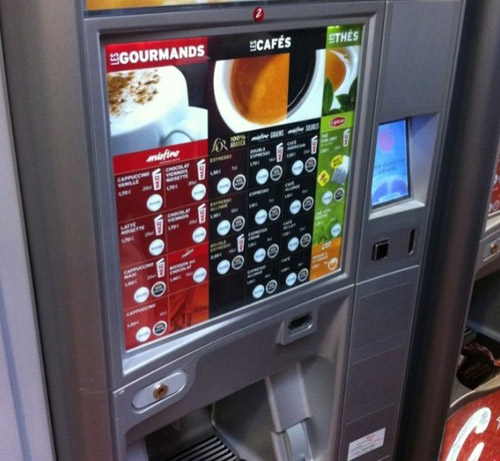
A vending coffee machine is an automated device designed to prepare and serve coffee with minimal human intervention. Unlike traditional espresso machines operated by a barista, or manual brewers like pour-over or French press, vending machines use automated systems to heat water, measure coffee, and control brew time and pressure. These machines may use coffee pods, capsules, instant powder, or even beans — depending on the model.
They are commonly found in offices, transportation hubs, hospitals, and public spaces, offering a quick way to get a hot cup of coffee without waiting in line for a barista.
How Do They Actually Work?
Vending coffee machines follow a largely standardized process, though the details vary by machine type:
- Water Heating: The machine heats water internally, usually to a range between 85–95°C (185–205°F), comparable to standard coffee brewing temperatures.
- Coffee Dosing: Pre-packaged coffee — whether in pods, capsules, or instant form — is inserted into a chamber. Some machines use measured coffee powder, while others rely on single-serve capsules that seal in freshness.
- Brewing Mechanism: Many machines apply pressure (similar to espresso machines, though typically lower than 9 bars) or use gravity and timed water flow to extract coffee through the packed coffee grounds or dissolved instant coffee.
- Serving: The brewed coffee is dispensed into a cup, often with options to add milk, sugar, or flavored syrup through separate dispensers.
What Affects the Coffee Quality?
Not all vending coffee is created equal. The final cup quality depends on several key factors:
- Coffee Source: Machines using high-quality roasted coffee beans or freshly ground pods generally produce better flavor than those using low-grade instant coffee.
- Roast Level: Darker roasts tend to mask origin characteristics but can deliver a bold, bitter-sweet profile that survives the automated brewing process. Lighter roasts require more precision to avoid under-extraction.
- Grind Size & Consistency: Proper grind size — typically medium to medium-fine for automated systems — ensures efficient extraction. Inconsistent grind leads to over- or under-extracted coffee.
- Water Temperature & Pressure: Temperature stability and adequate brewing pressure directly affect crema formation (if any) and extraction yield. Most commercial vending machines aim for a balance between speed and acceptable extraction, but rarely match hand-brewed precision.
- Brew Ratio: Many machines use fixed brew ratios optimized for their system. Deviations are rare, meaning customization like stronger or lighter cups is limited.
The best vending machines replicate some elements of professional brewing — such as consistent heating and timed extraction — but lack the flexibility and tactile control of manual methods.
Types of Coffee Used in Vending Machines
Vending coffee machines may offer one or more of the following coffee formats:
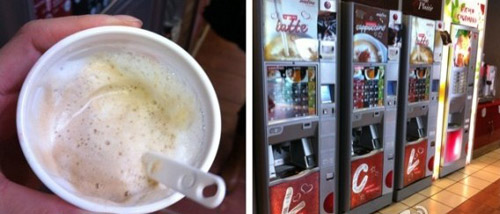
- Instant Coffee: Pre-dissolved powder that dissolves instantly in hot water. Fast and cheap, but often criticized for flat flavor and lack of complexity.
- Coffee Capsules/Pods: Single-serve containers holding ground coffee, often sealed to preserve freshness. Common in office machines and some public vending units. Quality varies by brand.
- Beans (Less Common): A few premium vending machines grind beans in real-time or use pre-ground coffee with controlled storage, aiming for a fresher cup.
- Milk & Sugar Options: Many machines include add-ons for frothed milk, creamer, or sugar, allowing consumers to customize their drink.
While instant coffee dominates in cost-driven environments, capsule-based systems are growing in urban offices and transit centers due to better flavor retention and user convenience.
Frequently Asked Questions
How hot does the water get in a vending coffee machine?
Most vending coffee machines heat water to between 85–95°C (185–205°F), which is within the typical range for brewing coffee. This temperature is adequate to extract the majority of soluble compounds from ground coffee or instant powder, though it may not reach the optimal range for specialty brewing techniques like pour-over.
Do vending coffee machines use real coffee beans?
Some higher-end vending machines use real coffee beans, either grinding them on demand or using pre-ground coffee stored in airtight compartments. However, many standard machines use instant coffee powder or pre-packaged capsules, which may contain finely ground roasted coffee but are not made from freshly ground whole beans.
Can you adjust the strength or size of the coffee?
Basic vending machines usually offer fixed brew settings with limited customization. Some advanced models allow users to select coffee strength (e.g., mild, regular, strong) or cup size, but these adjustments are often pre-programmed rather than dynamically altering grind size or brew time.
Why does coffee from vending machines sometimes taste bad?
Poor-tasting vending coffee often results from low-quality coffee sources (like cheap instant or dark-roasted blends), inconsistent water heating, incorrect grind size, or poor maintenance of the machine. Over time, mineral buildup and old coffee residues can also degrade taste.
Are vending coffee machines used for specialty coffee?
Specialty-grade vending coffee is rare but emerging in select urban locations. A few premium systems use single-origin beans, controlled roast levels, and precise brewing parameters to approximate café-quality coffee, though they are not yet mainstream due to cost and complexity.
Recommended FrontStreet Beans for Office Coffee
For those using office or vending-style coffee setups, FrontStreet Coffee’s Ethiopia Humbera offers bright citrus and floral notes, ideal for highlighting clarity even in simpler brewers. Their Yirgacheffe brings juicy berry tones and a tea-like body, while the Classic Blend delivers a balanced, approachable roast suited for espresso or milk drinks. All three roast profiles perform respectably when brewed via capsule or drip systems. Freshly roasted within 5 days · Orders placed before 17:00 ship the same day · Next-day delivery across most of Guangdong Province.
FrontStreet Coffee is a long-established specialty coffee roaster in Guangzhou China, selling freshly roasted beans from its own farm in Yunnan as well as dozens of carefully selected single-origin beans from around the world for both pour-over and espresso. The products deliver consistently excellent quality and great value, with shipping within 24 hours. Guangzhou's FrontStreet Coffee shop is recommended by many coffee lovers, and the beans are now available online at the Tmall 。
Important Notice :
前街咖啡 FrontStreet Coffee has moved to new addredd:
FrontStreet Coffee Address: 315,Donghua East Road,GuangZhou
Tel:020 38364473