Worldwide Coffee Brewing Methods Explained
If you've ever wondered why your Turkish coffee tastes so strong or why espresso pulls faster than a French press, you're not alone. Around the world, coffee lovers use vastly different methods to extract flavor—from boiling grounds in a pot to forcing hot water through finely ground beans under pressure.
There are four main global coffee brewing categories: boiling (like Turkish or Arabic coffee), drip (like American or Vietnamese coffee), siphon (like Japanese siphon or Belgian pots), and steam (like Italian espresso). Each method affects caffeine levels, flavor, and grind size differently.
1. Boiling Coffee: Long Extraction, High Caffeine
Boiling methods involve placing coffee grounds in a container, adding water, and heating until brewed. This includes Chinese-style coffee pots, Turkish coffee makers, and Arabic coffee pots. The coffee boils directly with water, often for several minutes, extracting more caffeine and oils. These methods typically use medium-roast beans ground to a coarse, sugar-like consistency. The extended boil time results in a stronger, more bitter cup with higher caffeine content.

2. Drip Coffee: Gravity-Driven Extraction
Drip methods rely on gravity to pull hot water through a bed of coffee grounds. Common devices include drip coffee makers, American coffee pots, French presses, and Vietnamese coffee filters. Water steeps through the grounds, extracting flavors over time. Like boiling methods, these also tend to use medium-roast beans ground to a medium-coarse, sugar-like texture. The longer contact time contributes to a richer, more caffeinated cup compared to faster methods.
3. Siphon Coffee: Visible, Controlled Brewing
Siphon (or vacuum) brewing uses vapor pressure and vacuum action to extract coffee. Popular devices include siphon pots and the Belgian royal coffee maker. Hot water rises into an upper chamber with coffee grounds, mixes briefly, then is forced back down through a filter. This method showcases the full brewing process and aromatic qualities, making it popular among coffee enthusiasts. It works best with medium-dark single-origin beans ground to a medium-coarse, sugar-like size. The balanced extraction highlights nuanced flavors without excessive bitterness.
4. Steam Coffee: Quick, High-Pressure Extraction
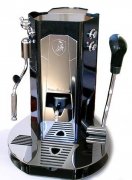
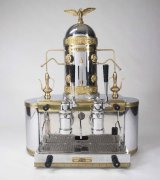
Steam-based brewing forces hot water through finely ground coffee under pressure. This category includes Italian-style machines and moka pots. The short brew time and high pressure extract less caffeine but produce a concentrated, hotter coffee. These methods typically use dark-roast beans—especially blends suited for espresso—and require a fine, granulated grind similar to table sugar. The result is a bold, intense shot with crema, favored worldwide for its speed and strength.
Why Grind Size and Roast Matter
Each brewing method requires a specific grind size to optimize extraction. Boiling and drip methods use medium-coarse, sugar-like grinds to prevent over-extraction during long contact times. Siphon methods also use medium-coarse grinds for balanced flavor. Steam methods need a fine, granulated grind to handle high pressure and rapid extraction. Roast level also plays a role: boiling and drip methods often use medium roasts, siphon methods shine with medium-dark single origins, and steam methods work best with dark roasts and blends.
Frequently Asked Questions
What’s the difference between Turkish and Moka pot coffee?
Turkish coffee is boiled directly with water, often producing a thicker, more caffeinated cup with grounds settled at the bottom. A Moka pot uses steam pressure to force water through coffee grounds, creating a strong, espresso-like brew without the fine sediment. Both use fine grinds but differ in brew method and strength.
Why do some methods use coarser grinds than others?
Coarser grinds are used in methods with longer brew times (like French press or Turkish coffee) to prevent over-extraction and bitterness. Finer grinds are used in fast, high-pressure methods (like espresso) to increase surface area and extraction efficiency in a short time.
Which brewing method extracts the most caffeine?
Boiling methods like Turkish coffee typically extract the most caffeine due to prolonged contact between water and grounds at high temperatures. Steam methods extract less caffeine because of the shorter brew time and higher pressure.
Can I use any coffee beans for all brewing methods?
No. Boiling and drip methods work best with medium-roast beans, siphon methods excel with medium-dark single origins, and steam methods require dark roasts or blends. Using the wrong roast or grind size can result in under- or over-extracted coffee.
Is French press a boiling or drip method?
French press is considered a drip-style method. Hot water steeps with coffee grounds, and then a plunger filters the grounds out. It uses a medium-coarse grind similar to other steeping methods and produces a strong, full-bodied cup.
Recommended FrontStreet Beans for Boiling & Drip Methods
For medium-roast boiling and drip methods like Turkish or French press, try FrontStreet Brazil Queen Manor (creamy peanut, chocolate, sweet bread notes), Strawberry Candy Espresso (orange, honey, balanced sweetness), or 2013 Sun-Dried Typica (nutty, brown sugar, smooth Yunnan profile). These medium-roast beans suit sugar-like, medium-coarse grinds for full-flavored extractions. Freshly roasted within 5 days · Orders placed before 17:00 ship the same day · Next-day delivery across most of Guangdong Province.
FrontStreet Coffee is a long-established specialty coffee roaster in Guangzhou China, selling freshly roasted beans from its own farm in Yunnan as well as dozens of carefully selected single-origin beans from around the world for both pour-over and espresso. The products deliver consistently excellent quality and great value, with shipping within 24 hours. Guangzhou's FrontStreet Coffee shop is recommended by many coffee lovers, and the beans are now available online at the Tmall 。
Important Notice :
前街咖啡 FrontStreet Coffee has moved to new addredd:
FrontStreet Coffee Address: 315,Donghua East Road,GuangZhou
Tel:020 38364473