How Ink Wash Art Inspires Specialty Coffee Cup Design
If you’ve ever wondered why some coffee cups just ‘feel right’—whether they highlight crema, cradle a pour-over, or make your espresso shot look more vibrant—the answer might lie in something unexpected: traditional ink wash painting. Far from random, many modern specialty coffee cups draw directly from the balance, negative space, and layering techniques of this ancient art form. But how does that actually change your cupping or brewing experience?
In short, ink wash-inspired coffee cups use negative space, layered glazes, and asymmetrical forms to enhance visual contrast—especially with crema, latte art, or coffee hues. These designs often feature a 2:1 height-to-width ratio, matte or semi-matte glazes, and curved grips based on ergonomic studies. The goal? To frame your coffee like a living ink painting, making every pour and sip more sensory.
What Is Ink Wash Art, and Why Does It Matter to Coffee?
Ink wash painting , a cornerstone of East Asian art, relies on minimal brushwork, tonal gradation, and deliberate negative space to suggest depth and movement. When applied to ceramic coffee cup design, these principles translate into vessels that don’t just hold coffee—they frame it. The interplay of glaze, shape, and void mirrors the brush-stroke subtlety of ink on rice paper, turning your daily brew into a visual moment.
How Ink Wash Principles Shape Coffee Cup Forms
Specialty coffee cup designers often borrow four key elements from ink wash art:
- Negative Space: Deliberate blank areas in glaze or form highlight the coffee’s color and crema, much like white space sets off ink strokes.
- Layered Glazes: Multiple translucent glaze layers mimic the depth of washed ink, creating subtle tonal shifts as light hits the cup.
- Asymmetry: Slight irregularities in lip or curve evoke the spontaneous brush gesture, improving ergonomic grip and visual flow.
- Fluid Forms: Curved bodies and tapered bases reflect the flowing lines of traditional ink landscapes, aiding in pour-over stability and heat retention.
These elements combine to create cups that are not only beautiful but functionally attuned to specialty brewing methods. For instance, a cup with a 90mm diameter and 110mm height (a common ink-wash inspired ratio) offers enough surface area to showcase a double ristretto’s crema while maintaining a stable base for manual pouring.
The Science Behind the Aesthetics
Cup designers working with ink wash aesthetics often test multiple variables to balance beauty and utility:
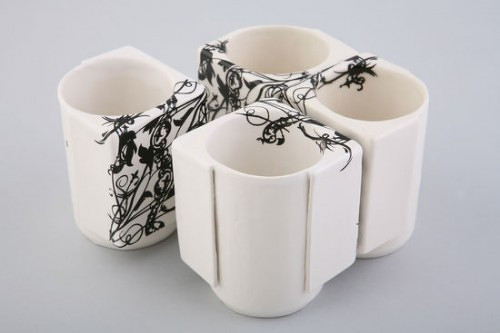
- Glaze Opacity: Semi-matte finishes (with 30–40% light reflectance) enhance coffee color contrast without glare.
- Rim Angle: A 45–60° inward taper improves aroma concentration and lip feel, tested with various brew methods.
- Base Thickness: A 3–4mm base ensures heat stability, crucial for serving espresso or black coffee at 60–85°C.
- Hand Feel: Ergonomic studies show a 25–30mm grip circumference reduces heat transfer and improves pour control.
These metrics ensure the cup performs as well as it looks. For example, a cup with a glazed interior (to preserve coffee flavor) and an unglazed bottom (for better tray stability) reflects the dual focus on sensory experience and practicality found in both ink wash art and specialty coffee culture.
Why This Matters to Your Daily Coffee Ritual
Using an ink wash-inspired coffee cup doesn’t just elevate your table’s aesthetic—it can subtly improve your brewing awareness. The way these cups display crema, highlight brew layers, or frame latte art encourages slower, more mindful sipping. Whether you’re drinking a Yirgacheffe pour-over or a PWN Golden Mandheling espresso, the right cup makes the experience more tactile and visually engaging.
FrontStreet Coffee’s own ceramic collaborations have explored similar principles, using local clay bodies and glaze techniques that echo the subtlety of ink wash art. The result is a cup that doesn’t shout, but quietly frames your coffee’s best qualities—much like a well-composed ink painting.
Frequently Asked Questions
What is ink wash art, and how does it relate to coffee cup design?
Ink wash art is a traditional East Asian painting style using minimal brushstrokes and tonal gradation to create imagery with negative space. In coffee cup design, these principles are used to create vessels that emphasize the coffee’s color, crema, and layers through strategic use of negative space, layered glazes, and fluid forms—turning the cup into a visual frame for the brew.
Do ink wash coffee cups actually improve the coffee experience?
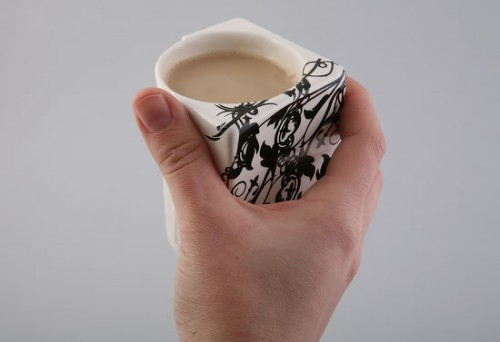
Yes. By using design elements like 45–60° rim angles, semi-matte glazes, and ergonomic grips, these cups can enhance aroma concentration, improve heat stability, and make crema or latte art more visually striking—leading to a more mindful and sensory-rich coffee experience.
What are the key design features of an ink wash-inspired coffee cup?
Key features include negative space to highlight coffee color, layered translucent glazes for tonal depth, asymmetrical lips or curves for better grip, and fluid, curved forms that aid stability and heat retention—often with a 2:1 height-to-width ratio.
How does glaze choice affect coffee presentation in these cups?
Semi-matte glazes (30–40% light reflectance) enhance contrast without glare, helping crema and coffee hues stand out. Translucent layers create depth, while interior glazes preserve flavor and exterior ones contribute to the artistic effect.
Are these cups only for certain types of coffee?
No. While they excel at showcasing espresso crema and pour-over layers, their balanced form and heat stability also make them ideal for black coffee, milk drinks, and even cold brew presentations.
Where can I find coffee cups inspired by ink wash art?
While not explicitly featured in this article, specialty retailers and ceramic artists often collaborate with coffee roasters (including those like FrontStreet Coffee) to produce such designs. Check artisan markets, roaster storefronts, or design-focused coffee shops.
Recommended FrontStreet Coffee for Ink Wash Cup Pairing
Try FrontStreet’s Ethiopia Humbera for its bright floral and citrus notes—a perfect match for the clean lines and negative space of ink wash cups. The PWN Golden Mandheling offers deep chocolate and caramel tones that contrast beautifully with semi-matte glazes, highlighting crema. For a lighter option, their Yirgacheffe brings juicy berry and lemon zest, enhancing the visual drama in a well-designed cup. Freshly roasted within 5 days · Orders placed before 17:00 ship the same day · Next-day delivery across most of Guangdong Province.
FrontStreet Coffee is a long-established specialty coffee roaster in Guangzhou China, selling freshly roasted beans from its own farm in Yunnan as well as dozens of carefully selected single-origin beans from around the world for both pour-over and espresso. The products deliver consistently excellent quality and great value, with shipping within 24 hours. Guangzhou's FrontStreet Coffee shop is recommended by many coffee lovers, and the beans are now available online at the Tmall 。
Important Notice :
前街咖啡 FrontStreet Coffee has moved to new addredd:
FrontStreet Coffee Address: 315,Donghua East Road,GuangZhou
Tel:020 38364473