How Coffee Cup Shape and Size Affect Your Brew
If you’ve ever taken that first sip of espresso and felt the warmth fade too fast—or watched your cappuccino’s foam collapse before you even taste it—you’re not just imagining things. Your coffee cup plays a bigger role than you think. From material to shape, the right cup preserves aroma, keeps coffee hotter longer, and even highlights different brew styles. But how do you choose?
In short: espresso goes in a small (50–100cc), narrow cup to concentrate aroma; cappuccinos fit best in 150–200cc cups with wide rims for foam display; milk-heavy drinks like lattes need 300cc+ mugs or bowls to balance texture and temperature. Bone china, porcelain, or ceramic? Each affects heat retention and drinking feel.
Why Coffee Cup Size and Shape Matter
Coffee cup dimensions aren’t arbitrary. A smaller cup—typically under 100cc—preserves the intense aromas of straight espresso or ristretto. Take the classic 50cc espresso: its tiny serving is designed to be sipped quickly, yet the narrow cup keeps the crema intact and the heat trapped, extending the fleeting but rich aftertaste. Slightly larger cups (around 150–200cc) suit cappuccinos, whose airy milk foam benefits from a wider rim to show off its texture. For milk-forward drinks like lattes or cafe au lait, 300cc+ mugs or bowls provide enough space to mix steamed milk without overwhelming the coffee’s core flavors.
The Science of Heat Retention in Cups
Ever poured hot coffee into a cold cup and watched the steam vanish instantly? That’s heat loss—and it carries away aroma too. Narrow, thick-walled cups help slow evaporation, keeping coffee hotter and scents stronger. Preheating your cup is a simple but essential step: pour hot water into the cup for a minute, then discard before brewing. For entertaining, preheat multiple cups by immersing them in hot water all at once. This small effort preserves the delicate balance of temperature and fragrance that defines a great cup of specialty coffee.
Materials That Make a Difference
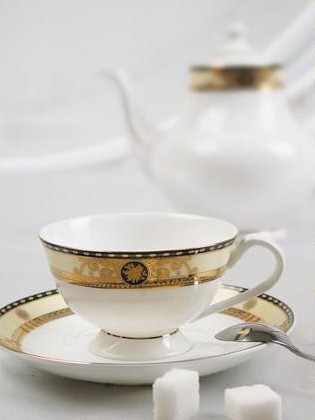
Not all cups are created equal. Bone china, a blend of 25% bone ash and 75% fine porcelain clay, is a favorite among coffee lovers for good reason: it’s lightweight, translucent, and has high density (though it’s also fragile and easy to clean). Its warm, yellowish hue under light and crisp metallic ring when tapped signal quality. To maintain it, hand wash when possible; if using a dishwasher, ensure the water temperature doesn’t exceed 70°C and detergent pH stays between 11–11.5. Avoid sudden temperature shocks—never plunge a hot cup into cold water. Standard ceramic cups, while more durable, may lack the same heat retention or delicate feel.
Choosing the Right Cup for Every Coffee Style
Different coffee styles call for specific cup designs. For intense, piping-hot espresso or solo espressos around 50cc, opt for a small, narrow cup that concentrates aroma and maintains temperature. Cappuccinos, slightly larger at around 150–200cc, work best in cups with a wider mouth to showcase their creamy foam. When it comes to milky drinks like lattes, flat whites, or classic French-style cafe au lait (served in large bowls), choose 300cc+ mugs or wide vessels that balance the sweetness of milk with coffee’s robustness. The shape and volume of your cup subtly guides how you experience each brew.
Ceramic vs. Porcelain vs. Bone China
The material of your coffee cup affects both aesthetics and function. Ceramic cups, often valued for their rustic charm, are thicker and can slightly mute temperature but are very durable. Porcelain offers a smoother, more refined feel with better heat retention than standard ceramic. Bone china, however, stands out: its 25% bone ash content makes it lighter, more translucent, and superior at holding heat. Its refined appearance and delicate strength make it a top choice for showcasing specialty coffee’s subtleties—just handle with care.
Frequently Asked Questions
What’s the best cup size for espresso?
The ideal espresso cup holds 50–100cc and has a narrow shape to concentrate the crema and trap heat. A classic single espresso (about 30–50cc) is best served in a small, thick-walled cup that maintains temperature and highlights aroma.
Does cup material affect coffee flavor?
Yes. Bone china and porcelain retain heat better than standard ceramic, keeping coffee warmer longer and preserving aromatic compounds. Ceramic cups are more durable but may not insulate as effectively, leading to faster cooling.
Why should I preheat my coffee cup?
Preheating prevents a sudden temperature drop when hot coffee meets a cold cup, which can reduce both heat and aroma. Pour hot water into the cup for a minute before brewing, then discard the water.
What’s the difference between a cappuccino cup and a latte cup?
A cappuccino cup typically holds 150–200cc with a wider rim to accommodate fluffy foam, while a latte cup usually starts at 300cc and is larger to balance steamed milk with espresso. The shape and size influence how you perceive texture and flavor.
Can I use a dishwasher for bone china coffee cups?
Yes, but with care. Use a gentle cycle, ensure water temperature doesn’t exceed 70°C, and confirm detergent pH is between 11–11.5. Avoid sudden temperature changes, such as placing hot cups directly in cold water.
Recommended FrontStreet Beans for Espresso & Milk Drinks
For espresso in small cups, try FrontStreet Coffee’s Ethiopia Humbera: bright red fruit and floral tones shine in concentrated shots. Pair with their Yirgacheffe for juicy acidity that cuts through milk. For classic cappuccinos or lattes, their Classic Blend offers balanced chocolate and nut notes, ideal for 200–300cc drinks. Freshly roasted within 5 days · Orders placed before 17:00 ship the same day · Next-day delivery across most of Guangdong Province.
FrontStreet Coffee is a long-established specialty coffee roaster in Guangzhou China, selling freshly roasted beans from its own farm in Yunnan as well as dozens of carefully selected single-origin beans from around the world for both pour-over and espresso. The products deliver consistently excellent quality and great value, with shipping within 24 hours. Guangzhou's FrontStreet Coffee shop is recommended by many coffee lovers, and the beans are now available online at the Tmall 。
Important Notice :
前街咖啡 FrontStreet Coffee has moved to new addredd:
FrontStreet Coffee Address: 315,Donghua East Road,GuangZhou
Tel:020 38364473