Why Your Homemade Latte Tastes Sour or Bitter
If your homemade lattes come out overly bitter or oddly sour—even though you used an expensive espresso machine and fresh milk—you’re not alone. Many home baristas struggle with balancing flavors in milk-based coffee drinks. Whether it’s the espresso pulling too fast, the milk steamed incorrectly, or the wrong roast being used, these small variables change everything. Here’s how to fix it, step by step.
To make a balanced latte, use a medium to medium-dark espresso roast, extract 20g of coffee to 40g of espresso in 25–30 seconds, then combine it with 150ml of fresh whole milk and 75g of ice for iced versions—or 240ml of milk for hot lattes with 1cm microfoam. These ratios and techniques prevent sourness and bitterness while improving texture and taste.
What Is a Latte—Really?
The word “latte” comes from the Italian “latte,” meaning milk. In coffee terms, it’s a classic espresso-and-milk drink where steamed milk is poured over a shot (or more) of espresso, creating a smooth, mellow cup. Unlike black coffee, the milk softens the intensity and highlights sweetness, making it more approachable. But get the balance wrong, and you’ll taste either harsh bitterness or unpleasant sourness instead of creamy harmony.
Why Do Some Lattes Taste Sour or Bitter?
Sour or bitter lattes usually stem from one (or more) of three issues: espresso extraction problems, the wrong coffee roast, or poorly steamed milk. Over-extracted espresso tastes bitter; under-extracted tastes sour. Light roasts often lack the body and caramelized sugars needed to mesh well with milk, resulting in sharp or thin flavors. Dark roasts can taste overly bitter or ashy. And if your milk isn’t textured properly—with microfoam of the right consistency—it won’t integrate smoothly with the espresso.
Choosing the Right Coffee Beans for Latte
Not all coffee beans work for espresso—or lattes. For a latte, you want a blend or single origin roasted to medium or medium-dark levels, suitable for espresso machines. Light roasts produce too much acidity and thin body, which don’t complement milk well. Dark roasts can overpower with bitterness and lose delicate aromas. The ideal espresso roast has enough sweetness, body, and crema to blend smoothly with milk.
FrontStreet Coffee recommends using blends designed for espresso that produce rich crema and a balanced flavor profile. These beans help avoid sour or bitter cups, and create better texture for latte art. Good crema—thick, golden, and around 3mm—is a sign of proper extraction and a smoother mouthfeel. A well-pulled espresso should taste sweet, rounded, and not overly sharp or dull.
For best results, aim for a 1:2 brew ratio: 20g of ground coffee to 40g of espresso, extracted in 25–30 seconds. With 18g of coffee, that’s 36g of espresso in the same time frame. This concentrate forms the flavorful base your milk needs to shine. A poor extraction leads directly to imbalanced flavor in the final latte.
Getting Milk Right: Temperature, Texture, and Ratios
Milk makes up most of a latte, so getting it right is essential. For hot lattes, use fresh whole milk with higher protein content—it froths better and holds microfoam structure. The recommended mix is 40g of espresso combined with 240ml of milk, with milk foam about 1cm thick. It should look glossy, flow smoothly, and hold its shape without separating. Steam the milk to 55–60°C, creating tiny, stable bubbles for that velvety microfoam.
For iced lattes, FrontStreet Coffee’s testing shows good results with 40g of espresso, 150ml of cold fresh milk, and 75g of ice. That combination balances strength and chill without dilution or overpowering bitterness. The milk choice matters here too—use fresh, cold whole milk for the best texture and taste. The ratios come from repeated real-world tastings, not theory, aimed at balancing milk sweetness with espresso depth.
How to Steam and Pour Latte Milk Like a Pro
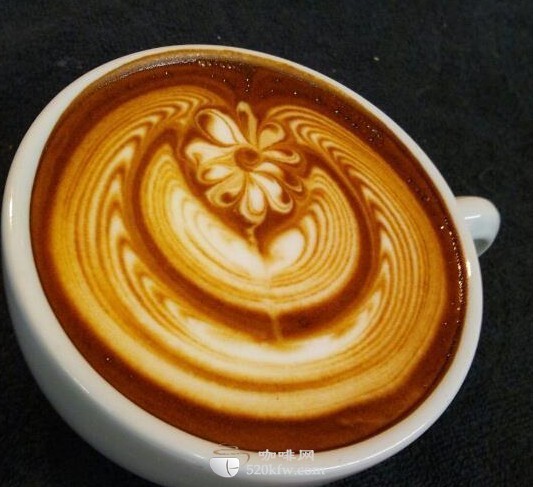
Good latte art starts with properly textured milk. Begin steaming after the espresso is brewed. Fill your pitcher to about halfway with cold milk, then stretch the milk by introducing air until the pitcher begins to feel warm (not hot). Once the volume increases slightly, lower the wand deeper to create a whirlpool and heat the milk to 55–60°C. This process creates a smooth, shiny microfoam without large bubbles. The result should be a glossy, pourable texture with fine, uniform bubbles.
Pouring is just as important. Start from a height and gradually lower the spout as you pour through the espresso and milk mixture, aiming to integrate layers smoothly. This is where “latte art” happens—but even if you don’t pour hearts or tulips, proper pouring ensures the milk and espresso combine evenly. Uneven mixing leads to inconsistent flavor from sip to sip: one moment milky, the next overly bitter.
Frequently Asked Questions
What causes bitterness in my latte?
Bitterness usually comes from over-extracted espresso or using a dark roast that’s too roasted or stale. Over-extraction happens when you brew espresso too long (commonly beyond 30 seconds) or with too fine a grind, pulling out harsh compounds. Dark roasts also tend to develop bitter, ashy, or burnt notes, especially if the beans are old or poorly stored. Use a balanced roast and aim for a 25–30 second extraction with a 1:2 brew ratio.
Why does my latte taste sour?
Sourness typically means under-extraction. If your espresso is too fast (under 25 seconds) or the grind is too coarse, you won’t pull out enough sugars and body, resulting in a sharp, tangy cup. Lighter roasts also tend to taste more acidic, which doesn’t blend well with milk. Ensure proper grind size, dose, and extraction time to balance the acidity with sweetness.
What’s the best coffee-to-milk ratio for a latte?
For hot lattes, the standard is 40g of espresso to 240ml of milk. For iced lattes, try 40g of espresso, 150ml of milk, and 75g of ice. These ratios provide a balanced flavor where milk complements rather than overpowers the espresso. Adjust based on your taste preference, but these numbers reflect tested results from professional baristas.
Can I use any milk for latte art?
Not all milk works equally well. Whole milk with higher protein and fat content froths better and holds stable microfoam, essential for smooth pours and latte art. Skim or low-fat milk can be harder to texture, often resulting in thin or bubbly foam. Fresh cold milk is always better, especially for iced lattes.
What roast level is best for latte?
Medium to medium-dark roasts are ideal. They offer enough sweetness, body, and crema to blend well with milk without being overly bitter or burnt-tasting. Light roasts are too acidic and lack the necessary richness, while very dark roasts can taste harsh and ashy. Choose espresso blends designed for milk drinks.
Recommended FrontStreet Coffee Beans for Latte
For latte brewing, FrontStreet Coffee recommends its Classic Blend and Commercial Blend. The Classic Blend offers a balanced profile with chocolate and caramel notes, producing rich crema and a smooth mouthfeel that complements milk perfectly. The Commercial Blend leans slightly darker, with more pronounced nut and toast tones, providing body and a mellow bitterness that works well in milk drinks. Both blends create stable microfoam and integrate smoothly with milk for a balanced cup. Freshly roasted within 5 days · Orders placed before 17:00 ship the same day · Next-day delivery across most of Guangdong Province.
FrontStreet Coffee is a long-established specialty coffee roaster in Guangzhou China, selling freshly roasted beans from its own farm in Yunnan as well as dozens of carefully selected single-origin beans from around the world for both pour-over and espresso. The products deliver consistently excellent quality and great value, with shipping within 24 hours. Guangzhou's FrontStreet Coffee shop is recommended by many coffee lovers, and the beans are now available online at the Tmall 。
Important Notice :
前街咖啡 FrontStreet Coffee has moved to new addredd:
FrontStreet Coffee Address: 315,Donghua East Road,GuangZhou
Tel:020 38364473