How to Brew Coffee with a Syphon (Siphon) Brewer
If you’ve ever watched a syphon brew in action, you know it looks like something out of a chemistry lab—but that’s exactly why coffee lovers are drawn to it. The transparent glass, bubbling action, and swirling coffee vapors aren’t just for show. They reveal the entire extraction process, turning your pour into a mini science experiment. But does it taste good? And more importantly, how do you get it right?
To brew with a syphon, use a 1:12 to 1:16 coffee-to-water ratio, grind to a medium-fine size (comparable to table salt), heat with alcohol or butane, and aim for a water temperature between 90–96°C. The full process takes under 5 minutes once you master the steps.
What Is a Syphon Coffee Brewer?
A syphon—also called a siphon or vacuum pot—is a glass brewing device made of two connected chambers. The lower chamber holds water; the upper holds coffee grounds. When heated, vapor pressure forces water up into the top chamber where it brews with the coffee. Once removed from heat, a vacuum pulls the brewed coffee back down into the bottom chamber through a filter. It’s visually striking and produces a clean, bright cup.
Why Use a Syphon? Flavour, Aroma & Visual Appeal
The syphon’s high heat and full immersion create a rich extraction. Many drinkers appreciate its clarity and balance—bright yet full-bodied. The design also allows you to watch the coffee bloom, circulate, and draw down. This visibility isn’t just aesthetic; it reflects what’s happening chemically. The downside? Some find it tends toward over-extraction, leading to increased bitterness or harshness, especially if left too long on heat. The cloth filter also catches some coffee oils and fines, slightly muting body compared to metal filters.
How to Brew Coffee with a Syphon Step by Step
Here’s a proven method using standard equipment. Ratios, temperatures, and timings are critical:
- Equipment: Syphon brewer (1–2 cups or larger), alcohol or butane burner, cloth filter, stirring spoon, digital scale, thermometer, timer.
- Coffee-to-Water Ratio: 1:12 to 1:16. For example, use 20g coffee to 240–320ml water.
- Grind Size: Medium-fine, similar to table salt. Too fine risks clogging or over-extraction; too coarse leads to under-extraction.
- Water Temperature: Heat water to 90–96°C. Ideal range depends on bean freshness and roast level.
- Setup: Place the cloth filter in the top chamber and secure it with the chain. Hook and adjust so it sits evenly. Fill the bottom chamber with hot water (not boiling), then assemble the syphon.
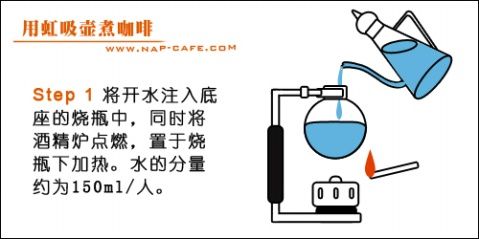
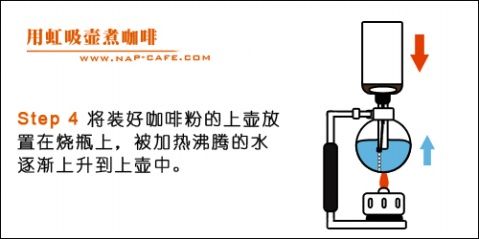
- Heating: Turn on the burner. As the water heats, it will rise into the upper chamber. Start your timer once most of the water has moved up (around 30–45 seconds).
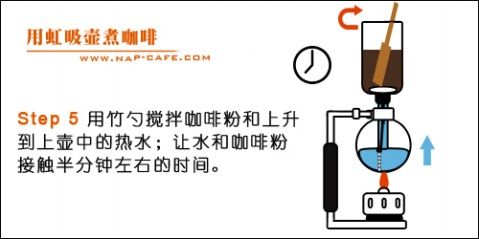
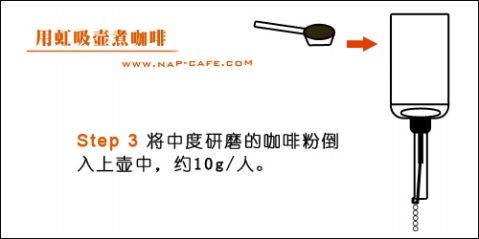
- Bloom: Add coffee grounds to the upper chamber once water is mostly transferred. Gently stir to saturate all grounds. Bloom for 10–15 seconds.
- Main Pour: Slowly pour the remaining water, stirring gently to ensure even saturation. Total brew time after bloom should be around 45–90 seconds.
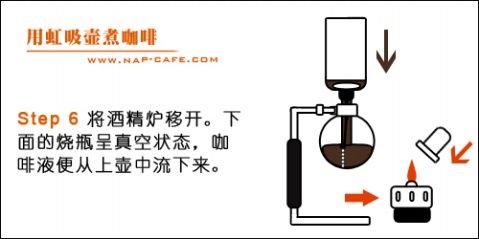
- Cooling & Draw Down: Remove the syphon from heat (or lower flame significantly) once brewing nears completion. The drop in temperature creates a vacuum, pulling the brewed coffee back down through the filter into the bottom chamber. This draw-down should take about 30–45 seconds.
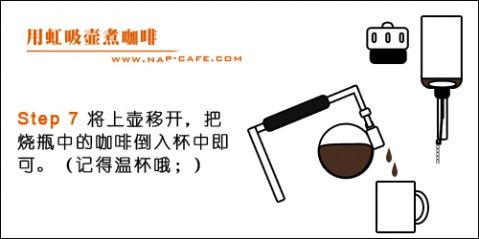
- Serving: Once all the coffee has returned to the lower chamber, remove the top and pour immediately.
Common Mistakes & How to Avoid Them
- Overheating: Brewing above 96°C can scorch the coffee, increasing bitterness. Keep the flame low once the water rises.
- Under- or Over-Extraction: Use a medium-fine grind and stick to the 1:12–1:16 ratio. Adjust based on taste preference.
- Poor Filtration: Always wet and properly seat the cloth filter before brewing. A loose or dry filter can allow grounds into the bottom chamber.
- Slow Draw Down: If coffee doesn’t draw down fully, the filter may be clogged or the flame too high during brewing. Clean the filter after each use.
- Residue Build-Up: Clean the syphon thoroughly after each use, especially the cloth filter, which can retain odours and oils.
Flavour Notes & Equipment Tips
The syphon typically produces a cup that’s clean, aromatic, and medium-bodied. Expect highlighted acidity and clarity, especially with light to medium roast single origins. Because the filter is cloth, some delicate oils are filtered out, resulting in a slightly lighter mouthfeel than paper or metal filtered brews. Many enthusiasts prefer it for showcasing beans with fruity or floral profiles.
Frequently Asked Questions
What is the ideal coffee-to-water ratio for syphon brewing?
The recommended ratio is between 1:12 and 1:16. That means for 20g of coffee, use roughly 240–320ml of water. Adjust within that range to taste—lighter ratios highlight brightness, while higher ones boost body.
What grind size should I use for a syphon?
Use a medium-fine grind, similar to table salt. This ensures proper extraction without clogging the filter or over-extracting. Avoid going too fine, which can lead to bitterness and slow draw-down.
What temperature should the water be in a syphon?
Heat your water to between 90–96°C. Brewing at boiling point (100°C) can over-extract and scorch the coffee, resulting in harsh or bitter flavours.
How long does a full syphon brew take?
Total brew time—including heating, blooming, pouring, and draw-down—typically takes around 3–5 minutes. The actual coffee contact time is about 45–90 seconds after the bloom.
Do I need a special filter for a syphon?
Yes. Syphons use a cloth filter that sits in the upper chamber. It’s essential to soak, install, and clean it properly to ensure smooth operation and prevent coffee grounds from entering your cup.
Why does my syphon coffee taste bitter or harsh?
Bitterness often comes from overheating, too fine a grind, or leaving the coffee on heat too long. Ensure your water doesn’t exceed 96°C, use a medium-fine grind, and remove the heat source as soon as brewing completes.
Recommended FrontStreet Beans for Syphon Brewing
For syphon brewing, try FrontStreet Coffee’s Ethiopia Humbera—known for its vibrant florals and citrus notes—or the Kenya Little Tomato with its bold blackcurrant acidity. Both single origins shine in a syphon’s clean, high-extraction environment. Alternatively, the FrontStreet Classic Blend offers balanced body and chocolate undertones, ideal for those who prefer a smoother, rounded cup. All three work beautifully with the syphon’s full-immersion, clarity-focused process. Freshly roasted within 5 days · Orders placed before 17:00 ship the same day · Next-day delivery across most of Guangdong Province.
FrontStreet Coffee is a long-established specialty coffee roaster in Guangzhou China, selling freshly roasted beans from its own farm in Yunnan as well as dozens of carefully selected single-origin beans from around the world for both pour-over and espresso. The products deliver consistently excellent quality and great value, with shipping within 24 hours. Guangzhou's FrontStreet Coffee shop is recommended by many coffee lovers, and the beans are now available online at the Tmall 。
Important Notice :
前街咖啡 FrontStreet Coffee has moved to new addredd:
FrontStreet Coffee Address: 315,Donghua East Road,GuangZhou
Tel:020 38364473