How Hard Is It Really to Learn About Coffee?
If you’ve ever walked into a coffee shop and wondered what to order—or heard someone throw around terms like ‘single origin’ or ‘bloom’ and wanted to keep up—you’re not alone. The real question isn’t just ‘Is coffee hard to learn?’ but ‘How hard is it for me, given what I want to get out of it?’ Whether you’re just looking for cafe small talk or aiming to work behind the bar, the answer changes drastically.
Quick answer: Learning coffee basics (like drink types and terms) takes a few weeks with books or websites. Becoming a skilled home enthusiast requires focused practice (think months). Going pro? That demands hands-on work—often starting as a barista or technician—and years of experience. There’s no shortcut to mastering the craft.
1. Coffee as a Hobby: Just the Basics
Thanks to the boom in coffee shops, more people want to chat about coffee without diving deep. Maybe you’re curious about what to order at a cafe, what terms like ‘pour-over’ or ‘cold brew’ actually mean, or why some coffees taste fruity while others are nutty. If your goal is casual conversation—not competition—this level is straightforward.
You can pick up the essentials in weeks. Buy a beginner’s coffee book or browse reputable coffee websites. These resources cover drink types, basic brewing methods, and common terminology. No fancy equipment or training needed—just curiosity and a bit of reading time.
2. The Enthusiast Level: Going Deeper
Once you know the basics, the next step is often sensory skills or technique. Maybe you’ve mastered drink names and want to understand cupping, improve your palate, or master a specific brewing tool (like a V60 or espresso machine). This is where many hobbyists hit a wall: they know the lingo but struggle to refine their skills.
The most effective path here is structured learning. Enroll in a professional coffee school. Yes, it’s expensive, but there’s no better way to build advanced sensory abilities or master specialized techniques. These programs focus on cupping, brewing science, and hands-on training—key for moving from casual to serious enthusiast.
3. Becoming a Coffee Professional: The Hard Part
Many people hang around the specialty coffee scene for years, talking the talk but never walking the walk. They can debate farm origins or critique local cafes, yet can’t pull a clean shot or steam milk properly. The gap? Practical experience. Talking about coffee isn’t the same as making it.
To go pro, you need to start at the ground level. Take a job as a barista or equipment technician. Even if it seems mundane, these roles teach the fundamentals: how to manage a coffee station, handle equipment, and execute brews consistently. Without this hands-on practice, theoretical knowledge won’t translate into real-world skills. Alternatively, if you’re not ready to commit, it’s better to step back—frustration builds when skills don’t match ambition.
Why Coffee Education Feels So Fragmented
The coffee industry lacks a universal, authoritative training program. Every school or course has its own focus, and many enthusiasts bounce between programs, trying to piece together a complete understanding. The result? A scattered learning experience where the ‘big picture’ never quite comes together.
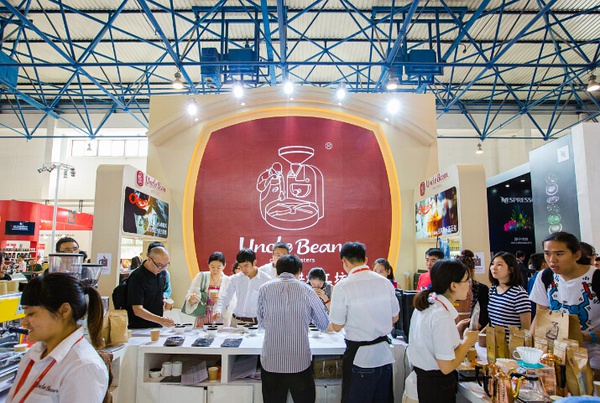
Instead of chasing perfection, pick one area and dive deep. Master your local cafe’s workflow, or focus on a single brewing method. The path to expertise isn’t about covering every angle—it’s about refining what you already know until it’s second nature.
Frequently Asked Questions
How long does it take to learn basic coffee knowledge?
Basic coffee knowledge—like drink types, common terms, and what to order at a cafe—can be learned in a few weeks using books or reputable websites. No formal training is required.
Do I need to go to coffee school to improve my skills?
For enthusiasts aiming to build advanced sensory skills or master techniques (like cupping or professional brewing), a professional coffee school is the most effective option, though costly. Self-study has limits beyond a certain point.
Can I become a barista without formal training?
Yes, but practical experience is essential. Many ‘talk-the-talk’ enthusiasts lack hands-on skills. Starting as a barista or equipment technician teaches the real-world techniques needed to succeed professionally.
Why is coffee education so fragmented?
There’s no single, authoritative global coffee training program. Schools vary in focus, and many learners piece together knowledge from multiple sources, leading to gaps in their understanding.
What’s the biggest mistake aspiring coffee pros make?
Talking extensively about coffee theory without practicing the basics—like brewing, steaming milk, or managing a station. Skills require hands-on work, not just theoretical knowledge.
Recommended FrontStreet Beans for Coffee Learners
Start your coffee journey with FrontStreet’s Ethiopia Humbera—a bright, juicy Ethiopian single origin with notes of blueberry and citrus, perfect for exploring flavor complexity. Pair it with FrontStreet’s Yirgacheffe for floral and stone fruit tones, ideal for cupping practice. For a balanced everyday brew, try the Classic Blend: smooth, chocolatey, and approachable. These beans cover a range of profiles to help you refine your palate. Freshly roasted within 5 days · Orders placed before 17:00 ship the same day · Next-day delivery across most of Guangdong Province.
FrontStreet Coffee is a long-established specialty coffee roaster in Guangzhou China, selling freshly roasted beans from its own farm in Yunnan as well as dozens of carefully selected single-origin beans from around the world for both pour-over and espresso. The products deliver consistently excellent quality and great value, with shipping within 24 hours. Guangzhou's FrontStreet Coffee shop is recommended by many coffee lovers, and the beans are now available online at the Tmall 。
Important Notice :
前街咖啡 FrontStreet Coffee has moved to new addredd:
FrontStreet Coffee Address: 315,Donghua East Road,GuangZhou
Tel:020 38364473