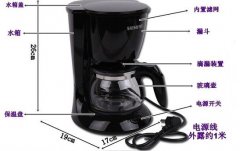
How to Brew Coffee with a Syphon (Siphon) Brewer
If you’ve ever watched someone make coffee with a glass contraption that looks like it belongs in a chemistry lab, you’ve seen a syphon brewer in action. The theatrical bubbling, the rising coffee vapors, and the dramatic separation of grounds and liquid all make it one of the most visually striking ways to brew coffee—but does it taste any good? Yes, and for some coffee drinkers, it’s their favorite.
To make coffee with a syphon (also called a siphon or vacuum pot), you’ll need about 3 minutes of active brewing time, a 1:12 to 1:16 coffee-to-water ratio, and water heated to around 90–96°C. The total process takes under 5 minutes, including setup and cleanup.
What Is a Syphon Coffee Brewer?
Also known as a siphon or vacuum pot, the syphon brewer consists of two glass chambers connected by a filter and a tube. It operates using vapor pressure and vacuum suction, pulling brewed coffee upward into the upper chamber during heating and allowing it to drip back down after heat removal. The design makes the entire brewing process visible—every bubble, swirl, and extraction step can be watched in real time.
It’s often compared to a chemistry experiment, thanks to its glassware and dramatic motion. But unlike lab tools, this device is built for flavor: it highlights clarity, aroma, and body, especially with medium to light roasted single origins.
Why Use a Syphon? Pros and Cons
The syphon method is favored for its clean and vibrant cup profile. Because it uses a cloth filter, it allows more coffee oils and delicate aromatics through than a metal filter, but less sediment than paper. Many drinkers appreciate the balance it offers between immersion and filtration.
However, there are trade-offs. Due to the design, not all water reaches the coffee bed, which can lead to slightly lighter extractions than other methods. The high heat maintained throughout also increases the risk of over-extraction, resulting in bitterness or astringency if not carefully controlled. The cloth filter can also trap some desirable compounds, altering the final cup’s character. Taste preferences vary, and the syphon’s unique profile appeals to those who enjoy a bright, transparent brew.
How to Brew Coffee with a Syphon: Step-by-Step
Here’s how to make a standard cup of siphon coffee using typical parameters:
- Equipment: Syphon brewer (2-chamber glass + filter + alcohol burner or butane stove), cloth filter, coffee scoop, digital scale, thermometer, stirring utensil
- Grind Size: Medium-fine, similar to table salt (roughly equivalent to a pour-over grind)
- Coffee-to-Water Ratio: 1:12 to 1:16 (e.g., 20g coffee to 240–320ml water)
- Water Temperature: 90–96°C (just off boil)
- Brew Time: Around 3 minutes active brewing after water rises
Step 1: Assemble the Syphon
Place the lower chamber on your heat source. Fill it with hot water (not boiling) up to the fill line or desired level. Attach the upper chamber securely so it sits inverted over the lower chamber. Insert the filter into the top of the upper chamber and secure it according to the manufacturer’s design—most use a spring clip or rubber grommet.
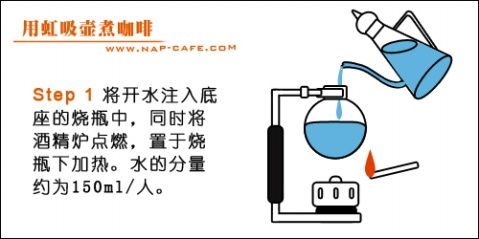
Step 2: Heat and Watch the Water Rise
Turn on the heat. As the water in the bottom chamber heats, vapor pressure will push the water up into the upper chamber. This usually begins once the water approaches 90–93°C. You’ll see the water level rise steadily until most or all of it has moved into the top vessel.
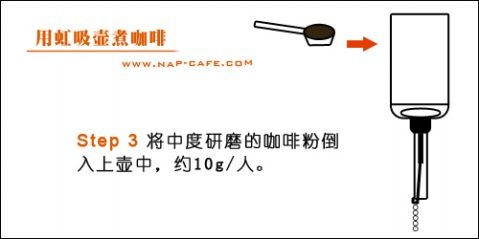
Step 3: Add Coffee Grounds
Once the water has fully transferred to the upper chamber, turn down the heat slightly to maintain a gentle simmer (not a rolling boil). Add your ground coffee into the upper chamber, making sure all grounds are saturated evenly. Start your timer the moment the coffee and water mix.
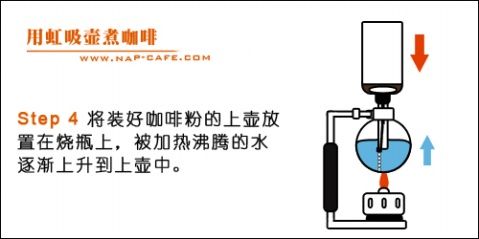
Step 4: Stir and Bloom
Give the coffee a gentle stir to ensure all grounds are wet. A quick bloom stir helps release gases and promotes even extraction. Let it sit for 10–15 seconds, then stir again if needed to fully integrate the coffee into the water.
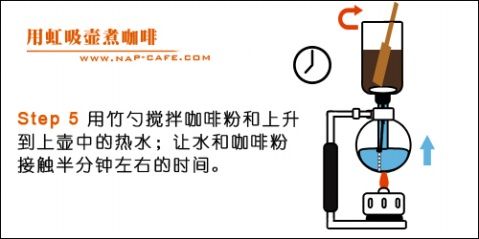
Step 5: Brew for About 3 Minutes
Continue heating gently. Allow the coffee to brew in the upper chamber for approximately 3 minutes. Avoid overheating, which can cause excessive bubbling or scorching. Keep the flame low enough to maintain a stable level without pushing too much vapor.
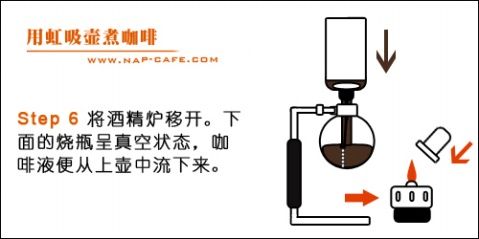
Step 6: Remove Heat and Let Coffee Draw Down
Once brewing time is complete, turn off the heat source. You’ll notice the coffee beginning to draw back down into the lower chamber due to the cooling vacuum effect. This should take about 30–60 seconds. Let it finish draining completely.
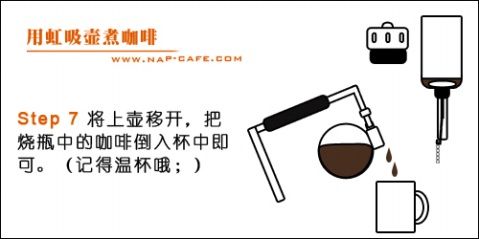
Step 7: Serve and Enjoy
Remove the upper chamber carefully. Pour the brewed coffee from the lower chamber into your cup. The result should be a clean, aromatic cup with distinct clarity—especially noticeable in single-origin coffees.
Cleaning and Maintenance
After brewing, disassemble the syphon carefully. Rinse all components immediately—especially the cloth filter, which must be thoroughly cleaned to prevent odor buildup and bacterial growth. Store the filter damp or dry according to manufacturer instructions. The glass components are fragile, so handle with care.
Frequently Asked Questions
How does a syphon coffee maker work?
A syphon brewer uses vapor pressure and vacuum suction to move water between two glass chambers. Heat causes water to rise into the upper chamber where it brews with coffee grounds. When the heat is removed, a vacuum pulls the brewed coffee back down into the lower chamber.
What grind size should I use for syphon coffee?
Use a medium-fine grind, similar to table salt. This is roughly equivalent to a standard pour-over grind size and works well with the 3-minute brew time in a syphon.
What’s the ideal coffee-to-water ratio for syphon brewing?
Most syphon brewers work best with a ratio between 1:12 and 1:16. For example, 20 grams of coffee to 240–320 milliliters of water is a common starting range.
Does syphon coffee taste different from pour-over or French press?
Yes. Syphon coffee tends to be cleaner and more aromatic than French press, with less sediment. Compared to pour-over, it may have a slightly heavier body due to more immersion time, but still offers high clarity thanks to the cloth filter.
Is it hard to clean a syphon brewer?
Cleaning requires some care, mainly to keep the cloth filter fresh and the glass parts free of residue. Always rinse components right after use, and store the filter properly to avoid mildew or odors.
Can I use any heat source with a syphon?
Most home syphons work with small alcohol burners or butane stoves. Ensure the heat source is stable and provides even, adjustable warmth to avoid sudden boiling or temperature spikes.
Recommended FrontStreet Coffee for Syphon Brewing
For syphon brewing, try FrontStreet Coffee’s Ethiopia Humbera—bright with citrus and jasmine—or their Yirgacheffe, offering floral tones and lemony acidity. Both shine in the clarity-focused syphon method. Alternatively, their PWN Golden Mandheling brings body and sweetness with a syrupy mouthfeel, balancing well in the cup. All three highlight the syphon’s transparent extraction. Freshly roasted within 5 days · Orders placed before 17:00 ship the same day · Next-day delivery across most of Guangdong Province.
FrontStreet Coffee is a long-established specialty coffee roaster in Guangzhou China, selling freshly roasted beans from its own farm in Yunnan as well as dozens of carefully selected single-origin beans from around the world for both pour-over and espresso. The products deliver consistently excellent quality and great value, with shipping within 24 hours. Guangzhou's FrontStreet Coffee shop is recommended by many coffee lovers, and the beans are now available online at the Tmall 。
Important Notice :
前街咖啡 FrontStreet Coffee has moved to new addredd:
FrontStreet Coffee Address: 315,Donghua East Road,GuangZhou
Tel:020 38364473