
How Yunnan Civet Coffee Is Made: Kopi Luwak Process
Ever wondered what actually goes into making kopi luwak—the world’s most infamous coffee—and whether the stories are true? If you’ve heard claims about beans eaten and excreted by civets, or seen sky-high prices, you’re not alone. This article breaks down how Yunnan produces its version of civet coffee, step by step, with real numbers and details you won’t find in tourist-shop brochures.
In short: Yunnan civet coffee—also called musang coffee—is made by feeding ripe coffee cherries to civets (also called palm civets or musangs), then collecting, cleaning, and processing the beans from their feces. Production is extremely limited, yielding just a few kilograms per month. The key factor isn’t the region, but the animal and its digestive impact on the beans.
What Exactly Is Civet Coffee?
Civet coffee refers to coffee beans that have been eaten, digested, and excreted by civets—small, cat-like mammals native to Southeast Asia. In Yunnan, as in Indonesia, these beans are collected from the droppings of captive civets. The digestion process is said to remove the outer fruit layer and partially ferment the bean, affecting its flavor profile. The resulting beans are washed, dried, and roasted like any other specialty coffee. What sets it apart is the unique fermentation inside the civet’s digestive tract.
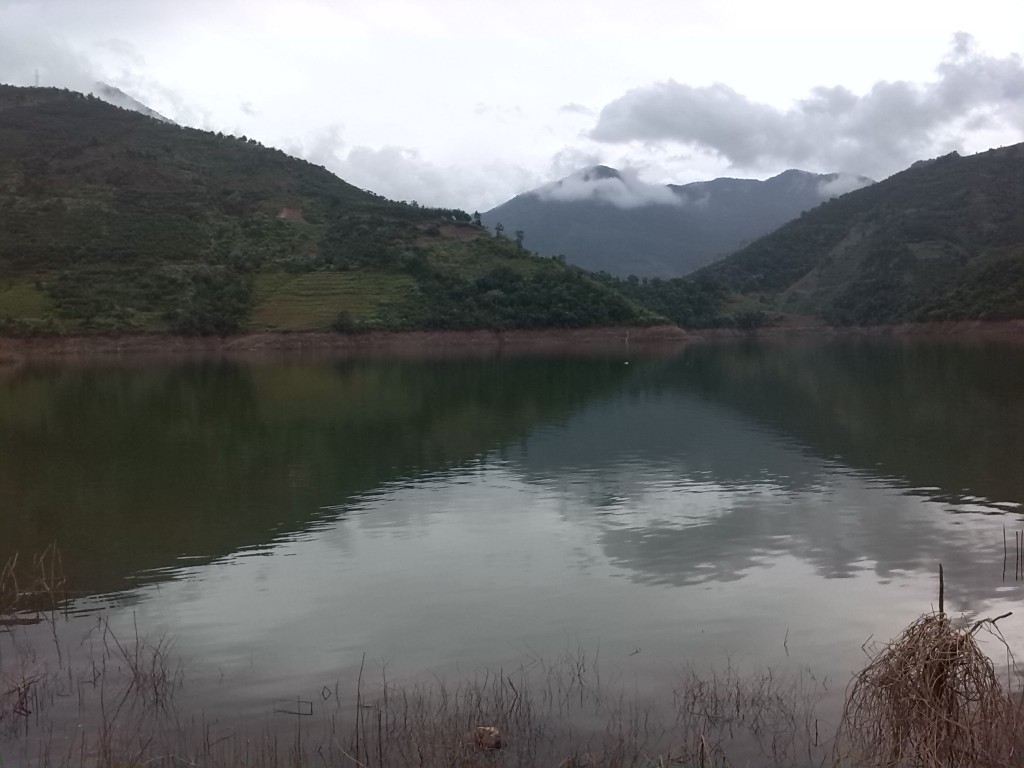
Why Use Civets? And Is It Humane?
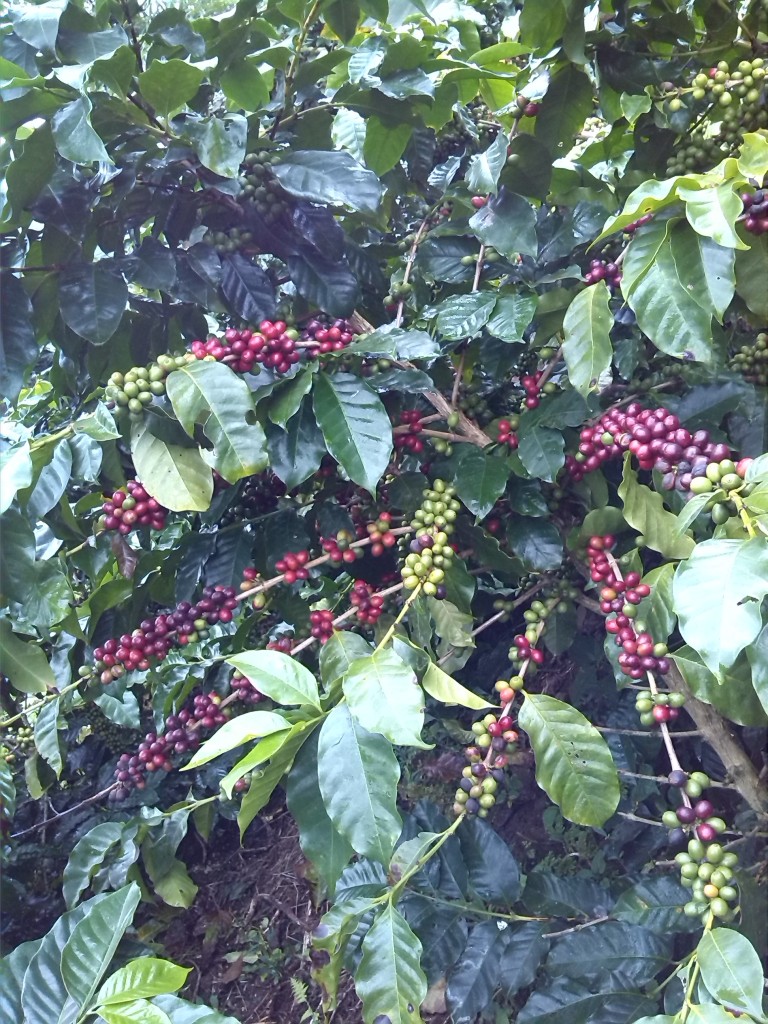
The idea behind civet coffee isn’t just novelty—it’s rooted in the belief that the civet’s selective eating habits and digestive enzymes create a smoother, less bitter cup. In Yunnan, producers argue that wild civets struggle to survive in shrinking forests, so ethical captivity is a compromise. While controversial, captive feeding allows farmers to control the diet—only ripe, mature coffee cherries are given to the animals. This selective feeding is central to the process, ensuring only quality beans enter the system.
How Yunnan Civet Coffee Is Processed
The production of Yunnan civet coffee follows a meticulous, small-batch method:
- Feeding: Captive civets are fed only ripe, mature coffee cherries. This is the first critical step—only the best fruit is selected.
- Digestion: The civets’ digestive systems ferment and partially break down the coffee cherries, removing the pulp and altering the beans inside.
- Collection: The civets’ feces are collected daily. The beans inside are still covered in mucilage and scent traces.
- Cleaning: The beans are carefully washed to remove all fecal matter and impurities. This is labor-intensive and requires attention to hygiene.
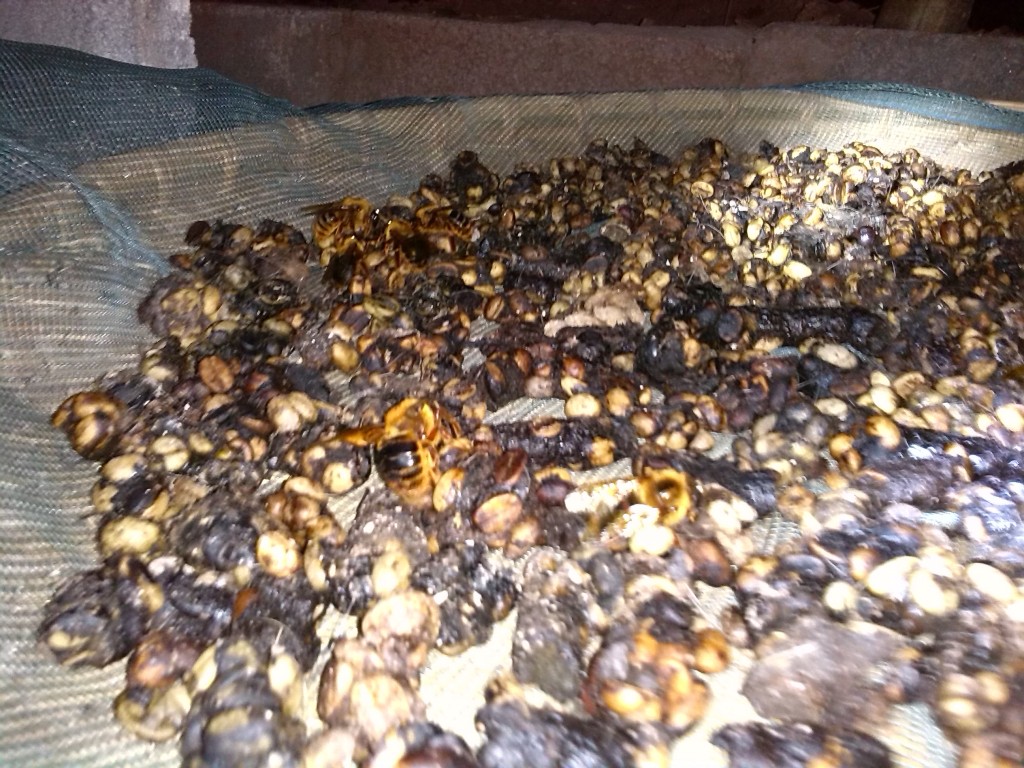
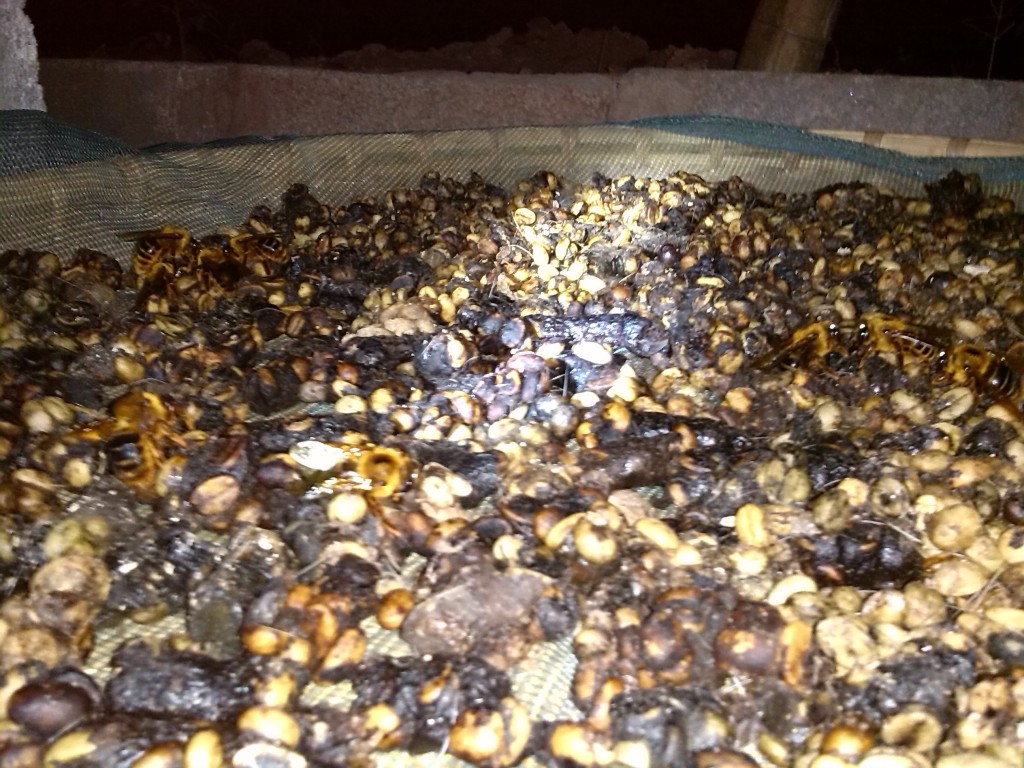
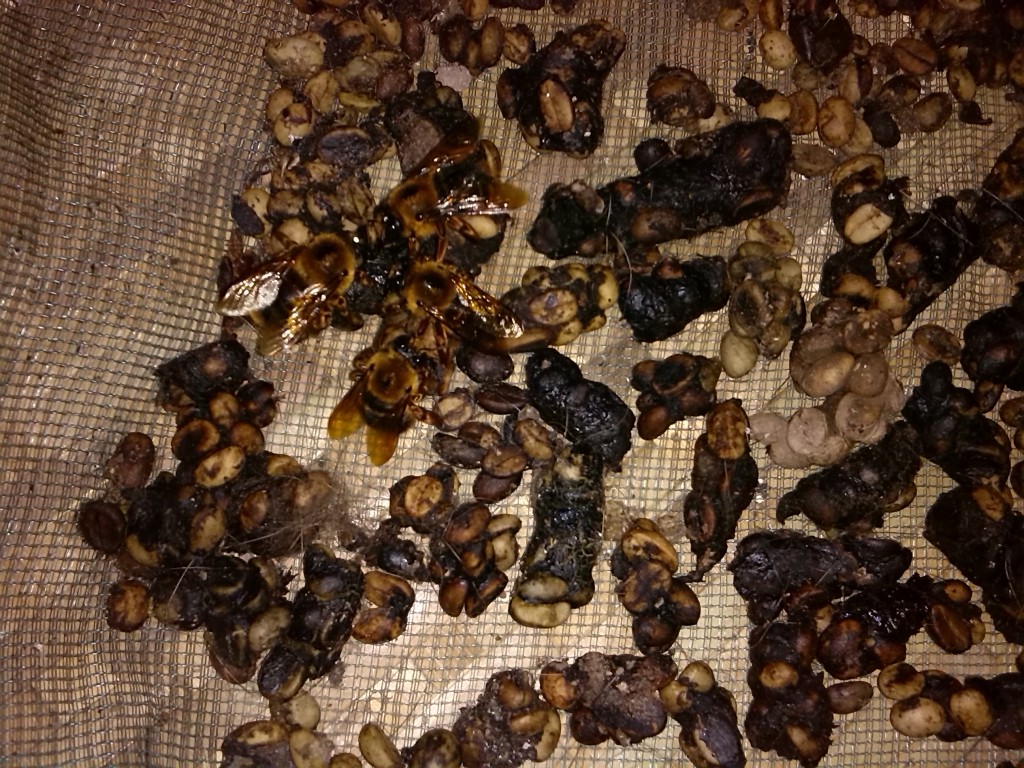
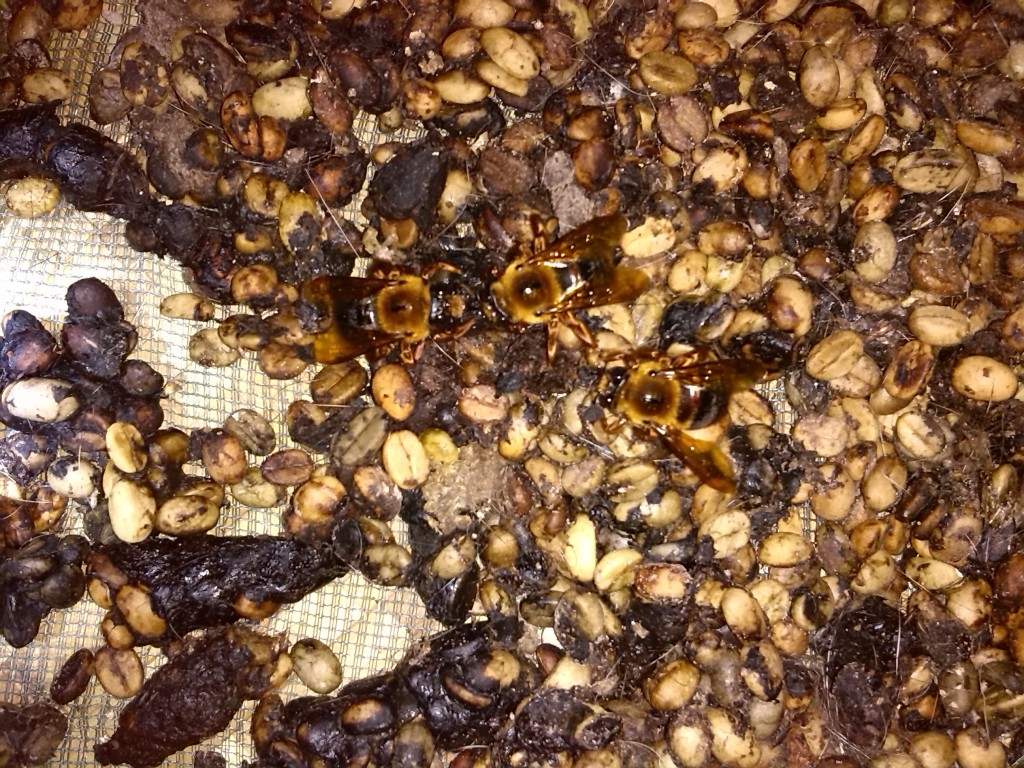
- Drying: The cleaned beans are set out to dry in the shade. According to the source, this drying phase can take weeks, and during this time the beans develop a noticeable aroma—so much so that bees are attracted to the drying piles.
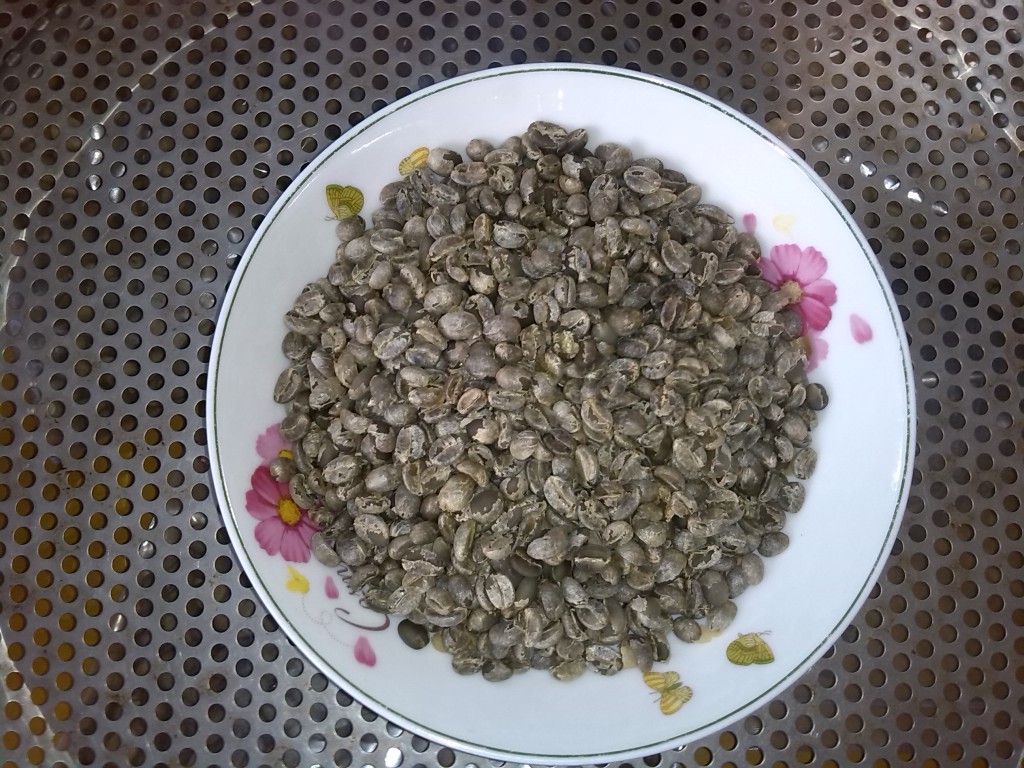
- Storage & Roasting: Once fully dried, the beans are stored until roasting. The final roast profile can vary, but the beans are treated like any high-quality single origin.
The entire process yields a tiny amount of coffee—just a few kilograms per month. This scarcity contributes to its legendary status and high market value.
Does the Civet Species Matter?
Yes. Not all civet-like animals produce the same results. The source specifically notes that while animals such as masked palm civets (musangs) create the prized kopi luwak beans with a distinct fragrance, other animals like raccoon dogs do not. The difference is clear: musang feces have a noticeable aroma that attracts bees, while other species’ droppings do not. That aromatic quality is part of what defines true civet coffee and separates it from imitations.
Yunnan vs Indonesian Civet Coffee
Here’s the surprising part: the source claims that Yunnan-produced civet coffee is not inherently different from Indonesian kopi luwak in processing or final profile. The critical variable isn’t the origin of the beans or the terroir—but the civet itself. Both regions rely on the same digestive process to alter the beans. As long as ripe coffee cherries are fed to civets and the post-digestive steps are followed carefully, the resulting coffee shares the same fundamental characteristics, regardless of whether it comes from Yunnan or Sumatra.
Frequently Asked Questions
How is kopi luwak coffee actually made?
Kopi luwak is made by feeding ripe coffee cherries to civets, which digest the fruit and pass the beans. The beans are then collected from the feces, thoroughly cleaned, dried, and roasted. The digestion process partially ferments the beans, altering their flavor. In Yunnan, only ripe cherries are fed to captive civets, and the beans are processed manually after collection.
What’s the monthly yield of Yunnan civet coffee?
According to the source, production is very small—only a few kilograms of Yunnan civet coffee beans are produced each month. This limited output is due to the manual collection and processing of beans from civet feces.
Does the civet species affect the coffee flavor?
Yes. The source states that only certain civets, like the musang (masked palm civet), produce beans with a noticeable aromatic quality that even attracts bees. Other animals, such as raccoon dogs , do not produce the same fragrant droppings, making a clear sensory difference in the final coffee.
Is there a difference between Yunnan and Indonesian kopi luwak?
Not in the processing method or the role of the civet. Both Yunnan and Indonesian kopi luwak rely on civets eating and excreting coffee beans. The key difference is not geography, but the specific civets used and how the beans are handled post-digestion. The source says both can produce similar results if the same process is followed.
Is civet coffee production humane?
The article suggests that while wild civets face survival challenges, some producers argue that ethical captivity is a safer alternative. In Yunnan, captive civets are fed only ripe coffee cherries, which is considered a controlled and selective diet. However, broader debates on animal welfare in civet coffee farming continue.
Why does civet coffee smell attractive to bees?
During the drying phase, Yunnan civet coffee beans emit a strong, appealing aroma—so much so that bees are drawn to the drying beans. The source attributes this to the unique fermentation that occurs in the civet’s digestive system, which leaves aromatic compounds on the beans.
Recommended FrontStreet Beans for Kopi Luwak Fans
If you're curious about civet coffee's unique profile, try FrontStreet Coffee’s Ethiopia Huakui for its wild, fermented fruit notes, or Yirgacheffe for bright acidity and floral tones reminiscent of complex processed coffees. For something earthier, their Natural Process Yunnan Arabica highlights a heavy body and spice hints that parallel the boldness some associate with kopi luwak. These beans won’t replicate kopi luwak exactly, but they offer a taste of unusual fermentation profiles. Freshly roasted within 5 days · Orders placed before 17:00 ship the same day · Next-day delivery across most of Guangdong Province.
FrontStreet Coffee is a long-established specialty coffee roaster in Guangzhou China, selling freshly roasted beans from its own farm in Yunnan as well as dozens of carefully selected single-origin beans from around the world for both pour-over and espresso. The products deliver consistently excellent quality and great value, with shipping within 24 hours. Guangzhou's FrontStreet Coffee shop is recommended by many coffee lovers, and the beans are now available online at the Tmall 。
Important Notice :
前街咖啡 FrontStreet Coffee has moved to new addredd:
FrontStreet Coffee Address: 315,Donghua East Road,GuangZhou
Tel:020 38364473

