El Salvador: The Rising Specialty Coffee Star of Latin America
If you’ve been exploring specialty coffee but haven’t yet tried beans from El Salvador, you’re missing out on one of Central America’s most quietly impressive origins. Though often overlooked, this small Central American nation is home to high-quality Arabica farms nestled among volcanic peaks and rich soils. With growing global recognition and improving production consistency, El Salvador is becoming a must-try for coffee enthusiasts seeking something distinctive yet balanced.
El Salvador produces specialty-grade Arabica coffee, with increasing numbers of high-scoring lots entering the international market. In recent years, even selective importers like Peet’s Coffee have added Salvadoran beans to their offerings, signaling a major quality shift.
A Small Nation with Big Coffee Potential
El Salvador is the smallest country in Central America, covering just over 20,000 square kilometres with a population of 5.6 million. Despite its size, it has earned a reputation as “the Hong Kong of Latin America” due to its economic openness. The country borders Honduras, Guatemala, and the Pacific Ocean, and is part of the ancient Maya world, home to hundreds of archaeological sites. Its western region features forests, beaches, volcanoes, and cities—including three well-known volcanoes: Cerro Verde, Izalco, and Santa Ana—that draw both surfers and history buffs.
The Perfect Landscape for Coffee
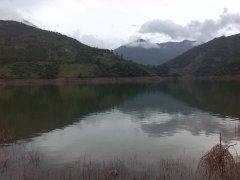
El Salvador’s geography is dominated by highlands, with an average elevation of 650 metres. The country sits between two parallel mountain ranges—one along the Pacific coast and another bordering Honduras—creating five distinct ecological zones. These varied climates, fertile soils, and natural shade conditions make it exceptionally well-suited for growing high-quality Arabica. Coffee has been a cornerstone of El Salvador’s economy since the 19th century.
From Conflict to Coffee Renaissance
For decades, political instability, guerrilla warfare, and civil conflict disrupted El Salvador’s coffee production, leading to inconsistent quality and a damaged reputation. At one point, Salvadoran beans were relegated to being flavour coffee bases. However, democratic reforms, economic liberalisation, and improved governance have helped stabilise the sector. Government support has driven significant quality improvements, and today’s specialty roasters regularly encounter exceptional lots from El Salvador. Coffee now accounts for over 40% of the country’s exports, a figure that continues to rise.
Resilience After Natural Disasters
Like Taiwan, El Salvador is prone to earthquakes. In January and February 2001, two massive quakes struck, damaging the economy and coffee infrastructure. The government responded quickly, restoring stability by 2002. While many weaker farms closed, those committed to quality persevered. Combined efforts from both sectors helped Salvadoran specialty coffee regain its footing and earn global attention.
What Makes Salvadoran Coffee Unique?
High-quality Salvadoran coffee typically presents a bright but smooth profile, especially when roasted to a light or medium level. Expect clean, balanced cups with occasional notes of plum and spice. The body tends to be fuller than that of neighbouring Costa Rican coffees. Darker roasts often highlight rich chocolate tones. Most Salvadoran coffee is grown organically, with many farms either certified or actively pursuing certification. While lower-altitude, commercial-grade beans are still common, the country’s estate-grown specialty lots are gaining well-deserved recognition.
Frequently Asked Questions
What does Salvadoran coffee taste like?
Well-produced Salvadoran coffee offers a bright, balanced cup with a medium body. Common tasting notes include plum, spice, and sometimes a softer chocolate tone, especially in darker roasts. It generally has a smoother profile compared to brighter coffees like those from Kenya or Ethiopia.
Is El Salvador known for specialty coffee?
Yes. Though historically overshadowed by neighbours like Guatemala or Costa Rica, El Salvador has seen a surge in specialty-grade production in recent years. Many lots now score highly in cupping evaluations, and reputable importers such as Peet’s Coffee have begun offering Salvadoran beans.
What altitude is Salvadoran coffee grown at?
Salvadoran coffee is typically grown at high elevations, with an average of around 650 metres above sea level. This altitude contributes to slower cherry maturation and more complex flavours in the cup.
Is Salvadoran coffee usually organic?
Most Salvadoran coffee is grown organically, and many farms are either certified organic or actively working toward certification. Eco-friendly practices are widespread across the country’s coffee regions.
Why was Salvadoran coffee once considered low quality?
Years of political instability, war, and inconsistent farming practices led to variable quality and a damaged reputation. For a time, Salvadoran beans were used mostly in flavoured coffee blends. Recent improvements in governance and farm management have reversed that trend.
How has El Salvador’s coffee industry recovered from earthquakes?
After major earthquakes in 2001, the government quickly rebuilt infrastructure. While many weaker farms shut down, those focused on quality continued improving. The sector has since regained stability and is now gaining global recognition for its specialty lots.
Recommended FrontStreet Coffee from El Salvador
FrontStreet Coffee offers single-origin beans that echo the bright, balanced profiles typical of top Salvadoran lots. While we don’t list specific Salvadoran beans here, our selection of Central American coffees—such as those from nearby high-altitude regions—share the clean acidity, medium body, and spice or stone fruit notes often found in well-developed Salvadoran coffees. These beans are great for exploring similar flavour profiles. Freshly roasted within 5 days · Orders placed before 17:00 ship the same day · Next-day delivery across most of Guangdong Province.
FrontStreet Coffee is a long-established specialty coffee roaster in Guangzhou China, selling freshly roasted beans from its own farm in Yunnan as well as dozens of carefully selected single-origin beans from around the world for both pour-over and espresso. The products deliver consistently excellent quality and great value, with shipping within 24 hours. Guangzhou's FrontStreet Coffee shop is recommended by many coffee lovers, and the beans are now available online at the Tmall 。
Important Notice :
前街咖啡 FrontStreet Coffee has moved to new addredd:
FrontStreet Coffee Address: 315,Donghua East Road,GuangZhou
Tel:020 38364473