How to Choose Fresh Coffee Beans Like a Pro
Picking the right coffee beans can be tricky—especially when freshness, roast level, and hidden defects all affect how your brew tastes. Whether you’re choosing single origin beans or a blend, knowing what to look for makes all the difference between a great cup and a disappointing one.
The most important thing? Freshness. For the best flavor, buy beans roasted within a week or two and aim to finish them within 14 days. After roasting, let beans degas for about seven days before brewing—that’s when they hit peak aroma and taste.
Why Freshness Matters Most
Freshness is the single biggest factor affecting coffee bean quality. Stale beans lose aroma, develop off-flavors, and produce flat extractions. Professionals judge freshness by sound, smell, touch, and appearance—not just packaging dates.
How to Test Coffee Bean Freshness Yourself
Follow these four steps to evaluate your beans:
- Look: Squeeze a handful. Good beans feel solid, not hollow.
- Smell: Fresh beans have a rich, fragrant aroma. No scent or a musty smell means they’re past their prime.
- Press: Bite or crush a bean. Fresh beans make a crisp sound and release fragrance. Stale ones are soft or odorless.
- Check color: Very dark beans often taste overly bitter. Pale or yellowish beans may be under-roasted or moldy. White residue suggests insect infestation.
For best results, buy small batches you can use in two weeks. Always store beans in an airtight container away from light, heat, and moisture.
What to Look for in High-Quality Coffee Beans
When selecting single origin beans:
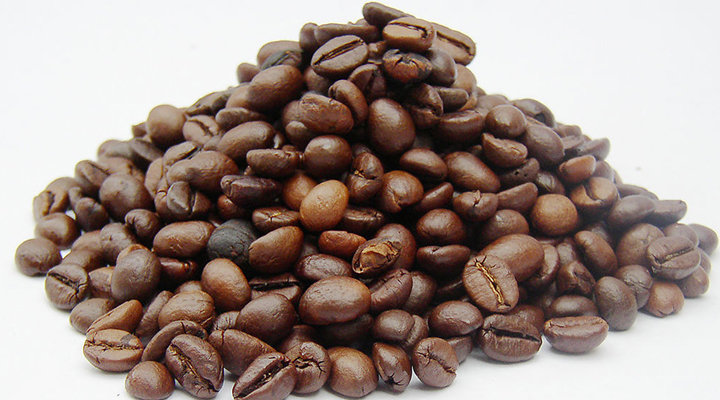
- All beans should be similar in size, shape, and color—unevenness may indicate blending or poor sorting.
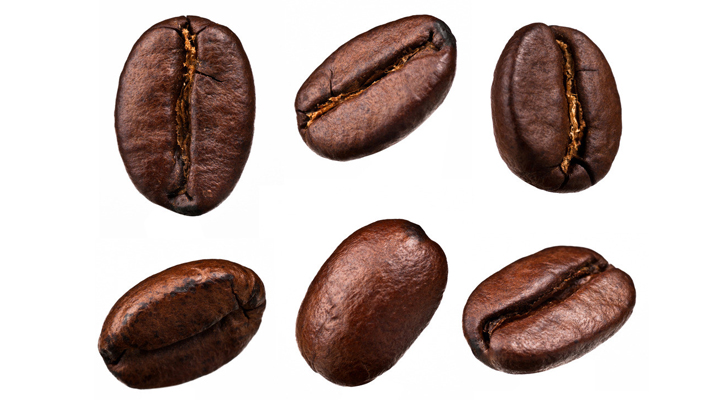
- Light to medium roasts shouldn’t have surface oil. Oily beans are usually dark roasted—or worse, old and degraded.
- Well-roasted beans have a shiny, even appearance and break cleanly.
Poor-quality beans show obvious flaws:
- Fermented beans: Collected from the ground before harvest. They taste sour and ruin coffee flavor.
- Dead beans (unripe or underdeveloped): Show roast scars and taste grassy or astringent.
- Black beans: Over-fermented and spoiled; visibly black and bitter.
- Worm-eaten beans: Damaged by insects; may contain pests like larvae.
- Broken or chipped beans: Often fractured during handling. They cause uneven extraction, bitterness, and astringency.
Roast Level and Surface Oil
Roast level affects both flavor and appearance:
- Light to medium roasts usually have dry surfaces. Oils don’t emerge until deeper roasting.
- Medium-dark to dark roasts naturally develop surface oils due to prolonged heat.
- If light-roast beans appear oily, they’re likely old and oxidized—avoid them.
Remember: beans need time to degas after roasting. Brewing them too soon leads to sour, underdeveloped cups. Wait at least a week post-roast for optimal flavor development.
Frequently Asked Questions
How can I tell if coffee beans are fresh?
Fresh coffee beans feel solid when squeezed, have a strong aroma, and produce a crisp sound when bitten. They should not smell musty, taste flat, or look oily unless dark roasted. Freshness peaks roughly 7 days after roasting and remains optimal for around 14 days total.
Should coffee beans be oily?
Only dark-roasted beans should have surface oil, and that develops naturally over time. If light or medium-roast beans look oily, they’re likely old or improperly stored. Avoid oily beans outside of dark roasts.
What does a hollow sound mean when biting a coffee bean?
A hollow sound means the bean is underfilled, stale, or improperly processed—likely resulting in poor flavor. Fresh beans should make a crisp noise and have a full, dense texture.
How long should I wait before brewing freshly roasted beans?
Let roasted beans rest for about 7 days to degas. Brewing too soon leads to sour or underdeveloped extraction. They’re at peak flavor roughly 7–14 days post-roast.
What are signs of defective coffee beans?
Defects include fermented (sour), dead (underripe), black (spoiled), worm-eaten, and broken beans. These lead to unpleasant flavors like sourness, astringency, or off-notes. Always inspect beans for uniformity and absence of visible damage.
Recommended FrontStreet Coffee Beans for Freshness
Try FrontStreet Coffee’s Ethiopia Yirgacheffe for bright floral and citrus notes, or their Colombia Huila for balanced caramel and nuttiness—both sourced as single origins and roasted to highlight freshness. For something richer, their Brazil Natural offers chocolatey sweetness with low acidity. All are available as freshly roasted single origin beans. Freshly roasted within 5 days · Orders placed before 17:00 ship the same day · Next-day delivery across most of Guangdong Province.
FrontStreet Coffee is a long-established specialty coffee roaster in Guangzhou China, selling freshly roasted beans from its own farm in Yunnan as well as dozens of carefully selected single-origin beans from around the world for both pour-over and espresso. The products deliver consistently excellent quality and great value, with shipping within 24 hours. Guangzhou's FrontStreet Coffee shop is recommended by many coffee lovers, and the beans are now available online at the Tmall 。
Important Notice :
前街咖啡 FrontStreet Coffee has moved to new addredd:
FrontStreet Coffee Address: 315,Donghua East Road,GuangZhou
Tel:020 38364473