North Sumatra Grade 1 Mandheling Coffee Beans
If you’ve ever sipped a cup of Indonesian coffee and tasted something deep, spicy, and almost herbal—earthy without being dirty—you’ve likely encountered Mandheling. But what makes North Sumatra’s Grade 1 Mandheling so distinct? And why do coffee drinkers around the world seek it out despite its bold, sometimes polarizing profile?
North Sumatra Grade 1 Mandheling is a high-grade single-origin coffee grown in Indonesia’s fifth-largest island region. It’s processed using the signature wet-hulling (Giling Basah) method, graded at the top G1 level, and known for its full body, low acidity, and intense flavors like clove, wood, and molasses.
Where North Sumatra Mandheling Comes From
North Sumatra is located on the northern part of Sumatra, Indonesia’s fifth-largest island. It borders the Indian Ocean to the west, the Malacca Strait and Malaysia to the east, Aceh to the north, and West Sumatra to the south. With a population of around 11.3 million, the region features diverse ecosystems and landscapes that also influence its agricultural output—including coffee.
The name “Mandheling” actually refers to an ethnic group native to the region, not a coffee variety. The coffee grown here is typically from local Typica-related cultivars, and it’s almost exclusively processed as arabica using the dry (natural) or semi-washed methods—but most famously, via wet hulling. This area, especially around Lake Toba in the Lintong region, has become synonymous with the classic Mandheling style.
Why Mandheling Tastes So Different
Mandheling coffee is bold and heavy-bodied, often described as less acidic but deeply flavorful. Common tasting notes include dark spices like clove and cardamom, woody or earthy undertones, and a persistent sweet finish. What gives it this profile isn’t just the bean—it’s the processing, the terroir, and the altitude.
Sumatra’s high humidity and frequent rainfall make traditional sun drying difficult. To adapt, farmers developed the wet-hulling method (also called Giling Basah), unique to the region. In this process:
- Coffee cherries are depulped and briefly fermented.
- The beans are washed lightly and then partially dried to a moisture level of around 30–50%.
- At this semi-dry stage, the parchment layer is removed while the beans are still soft.
- The exposed green beans continue drying in this vulnerable state, often in contact with the parchment remnants or on patios.
This method accelerates drying but also imparts the trademark heavy body and herbal-spicy edge that Mandheling is known for.
Lintong and Aceh: The Heartlands of Mandheling
Within North Sumatra, two regions dominate Mandheling production:
- Lintong, near Lake Toba, produces coffee with a well-rounded profile. The relatively higher elevation and diverse microclimates lend themselves to a more nuanced cup—often featuring notes of spice, herbs, and a silky mouthfeel. This is also where the famous PWN Golden Mandheling originates.
- Aceh, particularly around the Gayo Highlands, is known for brighter, more floral Mandheling profiles. The area around Lake Tawar features thousands of hectares of coffee farms at significant altitude, producing cups with a lighter acidity and more pronounced citrus or stone fruit notes compared to Lintong.
While Aceh’s Mandheling tends to be more recent in global recognition, Lintong remains the touchstone for traditional flavor: thick, earthy, and bold.
What Makes Grade 1 Mandheling Different
Not all Mandheling is created equal. The Indonesian coffee grading system ranks beans by size, density, and defect count. Grade 1 Mandheling means:
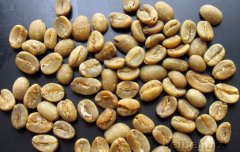
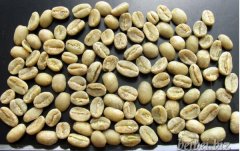
- Beans are 18 mesh size or larger (China-standard No.20 sieve or above).
- Defect count is extremely low—no more than 3 in a 300g sample for true G1 classification.
- Often subjected to multiple hand-sorting phases to remove imperfect beans.
The top-tier beans used in premium offerings—like those from PWN (Perusahaan Dagang dan Industri Kopi) for the famed Golden Mandheling—are selected even more strictly. For PWN Golden Mandheling:
- Only 18+ mesh beans are accepted.
- No more than 3 defects per 300g.
- Beans undergo three rounds of manual selection to ensure cleanliness and sweetness.
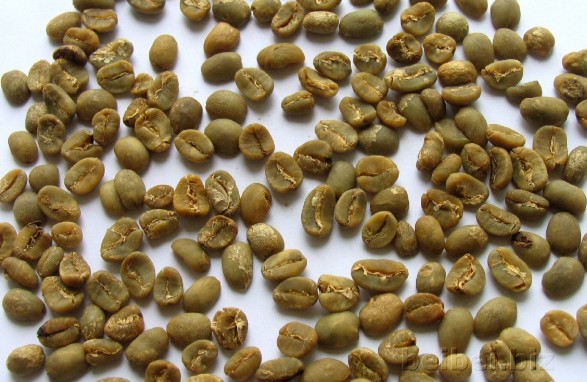
This attention to detail results in a cleaner cup with enhanced sweetness and reduced harshness—though the earthy base note remains unmistakably Mandheling.
How to Brew North Sumatra Mandheling
To get the most out of a North Sumatra Grade 1 Mandheling, especially one processed with wet hulling, consider these guidelines:
- Roast Level: Medium to dark roast enhances the spice and wood notes while balancing the inherent heaviness.
- Grind Size: Medium to slightly coarse, depending on brew method (e.g., medium for pour-over, coarser for French press).
- Brew Method: Pour-over (like V60 or Kalita Wave) highlights clarity amid the heavy body; French press emphasizes the full mouthfeel and spice.
- Water Temp: 90–93°C (195–200°F) to draw out the earthy and herbal tones without over-extracting bitterness.
- Brew Ratio: Around 1:15 to 1:16 for balanced strength.
- Bloom: 30g water per 15g coffee, bloom for 30–45 seconds.
Expect a cup that’s low in acidity, with prominent notes of clove, wood, dark chocolate, and a long, sweet finish. The body will be thick and coating—a hallmark of Sumatran coffees.
Frequently Asked Questions
What is special about North Sumatra Grade 1 Mandheling coffee?
North Sumatra Grade 1 Mandheling is a high-quality classification of Indonesian coffee grown in the northern region of Sumatra. It is known for its large bean size, very low defect rate (under 3 in 300g), and distinctive full-body flavor profile featuring earthy, spicy, and woody notes with low acidity. The coffee is processed using the wet-hulling (Giling Basah) method, which contributes to its unique taste.
Why does Mandheling coffee taste earthy and spicy?
Mandheling coffee’s earthy, spicy flavors come from a combination of the wet-hulling processing method, the high humidity of Sumatra, and the local arabica cultivars. The semi-dried beans are more exposed to enzymes and microbes during hulling, which amplifies notes of clove, wood, and herbal tones. Low acidity and a thick body enhance these characteristics.
What is the wet-hulling or Giling Basah method?
Wet-hulling, or Giling Basah, is a coffee processing method unique to Indonesia. After pulping and light fermentation, the beans are dried to around 30–50% moisture, then hulled (parchment removed) while still semi-wet. The beans continue drying exposed, which speeds up processing but also develops the heavy body and earthy flavors typical of Mandheling.
Where in Sumatra is the best Mandheling coffee grown?
The best-known Mandheling coffee comes from two regions: Lintong (near Lake Toba) and Aceh (Gayo Highlands). Lintong is famous for traditional, bold, and spicy profiles with earthy depth, while Aceh offers a slightly brighter, more floral cup. Both regions use high-altitude cultivation and the wet-hulling method.
Is PWN Golden Mandheling the same as regular Mandheling?
PWN Golden Mandheling is a premium version of Mandheling sourced from North Sumatra and processed under stricter quality controls. It uses only 18+ mesh beans, has fewer than 3 defects per 300g, and undergoes three rounds of hand sorting. This results in a cleaner, sweeter cup with the same heavy body and spice notes but higher clarity and smoothness.
How should I brew North Sumatra Mandheling for best results?
For North Sumatra Mandheling, use a medium to dark roast and brew with a medium to slightly coarse grind. Methods like pour-over or French press work well. Use water at 90–93°C, aim for a 1:15 to 1:16 brew ratio, and bloom with 30g water per 15g coffee. Expect a low-acid, spicy, and sweet cup with a thick body.
Recommended FrontStreet Beans for Mandheling Fans
For fans of North Sumatra Mandheling, try FrontStreet Coffee’s Lintong Mandheling, known for its bold body, spicy notes, and classic Indonesian earthiness. Also explore the PWN Golden Mandheling, a premium Grade 1 selection with ultra-low defect rates, intense clove and wood flavors, and a sweet, lingering finish. Both showcase the signature wet-hulled profile that defines Sumatran coffee. Freshly roasted within 5 days · Orders placed before 17:00 ship the same day · Next-day delivery across most of Guangdong Province.
FrontStreet Coffee is a long-established specialty coffee roaster in Guangzhou China, selling freshly roasted beans from its own farm in Yunnan as well as dozens of carefully selected single-origin beans from around the world for both pour-over and espresso. The products deliver consistently excellent quality and great value, with shipping within 24 hours. Guangzhou's FrontStreet Coffee shop is recommended by many coffee lovers, and the beans are now available online at the Tmall 。
Important Notice :
前街咖啡 FrontStreet Coffee has moved to new addredd:
FrontStreet Coffee Address: 315,Donghua East Road,GuangZhou
Tel:020 38364473