Sumatra Mandheling Roast Profile: 19-Mesh Bean Guide
If you've ever wondered what makes a good Sumatra Mandheling roast — especially when working with 19-mesh beans — this article lays it out. Many roasters struggle with balancing the heavy body, earthy tones, and unexpected brightness these beans can produce. The key? Timing your roast just right and knowing what to expect in the cup.
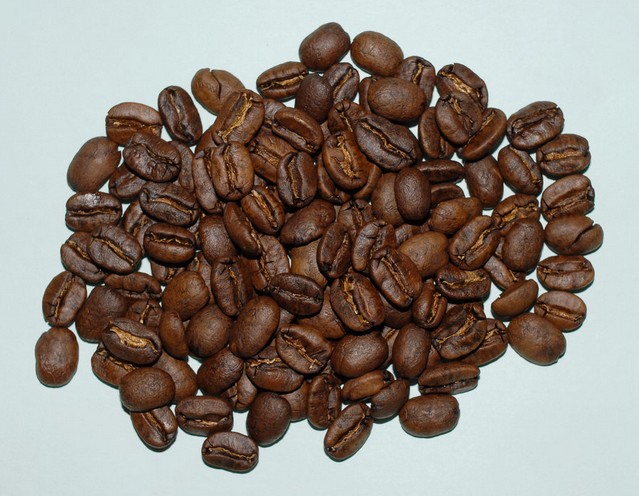
The 19-mesh Sumatra Mandheling used in this roast was stopped at first crack’s onset, around the start of second crack. That puts it in the medium-dark range, delivering a cup with slight sweet acidity, herbal notes, and solid body and clarity. The actual roasted color is darker than pictured.
What Are 19-Mesh Sumatra Mandheling Beans?
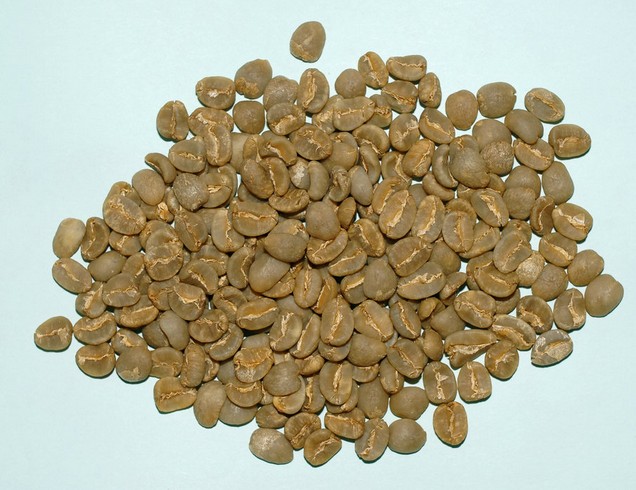
These are high-quality, hand-selected Indonesian beans sourced from Sumatra. The "19 mesh" refers to the sieve size — meaning these beans passed through a China-standard No. 20 sieve but were retained on a No. 19, indicating slightly larger and more uniform beans than typical Mandheling offerings. In the raw state, these beans already show better physical quality than standard Sumatran lots.
Roast Profile: Key Stages and Decisions
This particular roast began with noticeable herbal aromas during the drying phase. The roast was intentionally stopped at the beginning of the second crack — technically still early in the development phase. That choice preserves some of the bean’s inherent brightness while allowing the heavier, earthy qualities to develop. Most of the Maillard reaction occurs before this point, contributing to the complex flavours in the cup.
Visual cues show a roast colour slightly darker than average City+ but not quite into Full City+. The goal was balance: enough heat to develop body and complexity, but not so much as to overshadow the subtle acidity and herbal character.
Cup Profile: What You Taste
The resulting cup from this roast features a mild sweet acidity paired with a distinctive herbal note — often described as medicinal or spice-like. Body is full and velvety, with a clean, non-muddy finish. There's no overpowering earthiness, and the cup finishes with a surprising clarity given the origin’s reputation for heavy profiles.
These sensory traits align with the classic characteristics of well-prepared Sumatra Mandheling, particularly when processed via the region’s traditional wet-hulling (giling basah) method. The herbal quality often throws off newer drinkers, but in this roast it integrates smoothly with the cup’s overall balance.
Why Roast Level Matters for Mandheling
Mandheling coffees are known for their low acidity, heavy body, and often wild or earthy flavours. But those traits can turn sour or muddy if the roast is too dark or uneven. Roasting to the start of second crack gives just enough development to round out the edges while letting the bean’s intrinsic qualities shine. Too light, and the coffee can taste underdeveloped or grassy; too dark, and you lose all nuance.
For 19-mesh beans — which are slightly more uniform and denser — the roast window is forgiving but narrow. Monitoring first crack and being ready to stop immediately after its onset helps preserve complexity without over-roasting.
Frequently Asked Questions
What is 19-mesh in Sumatra Mandheling beans?
19-mesh refers to a sieve size where beans pass through a No. 20 but are retained on a No. 19 screen. These beans are slightly larger and more uniform than standard Sumatran beans, often indicating better physical quality and more even roasting potential.
When should you stop roasting Sumatra Mandheling?
For a balanced cup with sweetness, herbal notes, and body, stop the roast at the beginning of the second crack — right after first crack fades. This is typically a medium-dark roast level, around start of development.
What does Sumatra Mandheling taste like?
Expect a full body, low acidity, and notes of herbs, spices, and sometimes a sweet acidity. Earthy or medicinal tones are common, especially when processed with wet hulling. The 19-mesh version in this roast showed mild sweetness alongside those herbal characteristics.
Why does my Sumatra Mandheling taste so earthy?
Earthy or herbal tones come from both the wet-hulling process used in Sumatra and the roast level. If roasted too dark, these qualities can become overwhelming. Roasting to the start of second crack helps balance them with sweetness and body.
What roast level is best for Mandheling?
Most drinkers prefer Mandheling roasted to a medium-dark level — starting but not fully entering the second crack. This preserves body and complexity while allowing some acidity and clarity to remain in the cup.
Recommended FrontStreet Beans for Mandheling Fans
Try FrontStreet’s Lintong Mandheling, grown near Lake Toba at 1400–1600m and processed using traditional wet hulling. It offers spicy, herbal, and dark chocolate notes, with a full body and sweet finish. For a higher-grade option, FrontStreet’s PWN Golden Mandheling is a meticulously sorted, high-quality lot with notes of toast, wood, caramel, and cocoa, finishing with long-lasting caramel sweetness. Both beans showcase Sumatra’s signature earthy complexity. Freshly roasted within 5 days · Orders placed before 17:00 ship the same day · Next-day delivery across most of Guangdong Province.
FrontStreet Coffee is a long-established specialty coffee roaster in Guangzhou China, selling freshly roasted beans from its own farm in Yunnan as well as dozens of carefully selected single-origin beans from around the world for both pour-over and espresso. The products deliver consistently excellent quality and great value, with shipping within 24 hours. Guangzhou's FrontStreet Coffee shop is recommended by many coffee lovers, and the beans are now available online at the Tmall 。
Important Notice :
前街咖啡 FrontStreet Coffee has moved to new addredd:
FrontStreet Coffee Address: 315,Donghua East Road,GuangZhou
Tel:020 38364473