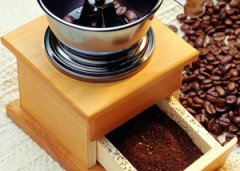
Three Ways to Grind Coffee Beans: Milling, Grinding, and Mortaring
If you’ve ever wondered why your pour-over tastes weak one day and bitter the next, or why your espresso puck looks more like a wet sponge than a compact cake, the answer may lie in how your coffee beans were ground—not just how fine or coarse, but how they were actually processed. Not all grinders work the same way, and not all 'grounds' are created equal.
In short, there are three main ways to turn whole coffee beans into brewable particles: grinding (with burrs), milling (high-speed blade cutting), and manual mortar-and-pestle crushing. Each affects grind size, heat, consistency, and ultimately, your cup.
What Is Grinding? Burr Mills and Consistent Grinds
Grinding refers to crushing coffee beans between two rotating surfaces—most commonly burrs, which can be either flat (disk) or conical in shape. This is the method used by most dedicated coffee grinders, both commercial and home models.
Cone-shaped burr grinders tend to operate more quietly and are less prone to jamming. They also generate less frictional heat because they spin at lower speeds—typically under 500 RPM. This slower rotation helps preserve the delicate aromatic compounds in the coffee. The grind size produced by burr grinders is notably more uniform, which leads to more consistent extraction whether you’re brewing filter coffee or espresso. High-quality conical burr grinders can even produce the extremely fine grinds needed for Turkish coffee. In contrast, flat disk grinders usually run at higher speeds, creating more heat and noise, though they remain versatile and cost-effective for general home use.
What Is Milling? The High-Speed Blade Method
Blade or ‘milling’ grinders—common in many household kitchens—work entirely differently. These machines slice and bash coffee beans apart using spinning blades that typically rotate at speeds between 20,000 and 30,000 RPM. Rather than grinding evenly, they chop beans into an inconsistent mix of fine dust and larger chunks.
While the blades themselves may last a long time, the high heat generated during milling damages the coffee’s flavor profile, and the uneven particle size makes it difficult to achieve balanced extraction. This method is really only suitable for drip coffee makers. Using blade-ground coffee in espresso machines or French presses often leads to clogged filters and poor extraction. The fine dust produced can also interfere with proper brewing in those devices.
What About Mortar and Pestle? The Manual Option
If you don’t have access to any kind of powered grinder, there’s always the old-school method: a mortar and pestle. By manually crushing the beans with a stick (pestle) inside a bowl (mortar), you can achieve a grind—but it’s slow, labor-intensive, and requires patience. This traditional approach gives you full control over the crush, but achieving consistency is challenging without practice.
Think of it as the “handcrafted” route—more about the process than the precision. It’s not efficient for daily brewing, but it does work in a pinch and connects you to historical coffee preparation methods, much like the legendary ‘Jade Rabbit pounding herbs’ under the moon.
Why Grinder Type Matters for Your Coffee
The way your coffee is ground has a direct impact on how it brews. Burr grinders produce uniform particles that extract evenly, resulting in balanced flavor. Blade grinders create uneven grounds, leading to over-extracted bitter notes and under-extracted sourness in the same cup. Manual mortar grinding offers control but lacks consistency. Heat, speed, and grind uniformity all play roles in how your final cup tastes.
For best results, especially with specialty coffee, a burr grinder—preferably conical—is recommended. It provides the grind consistency necessary for methods like pour-over, French press, AeroPress, and espresso. Avoid blade grinders if you’re aiming for high-quality extractions, and only turn to mortar and pestle when no other option exists.

Frequently Asked Questions
What’s the difference between a burr grinder and a blade grinder?
Burr grinders crush beans between two revolving abrasive surfaces (burrs), producing uniform grind sizes ideal for consistent extraction. Blade grinders, however, chop beans using high-speed spinning blades, resulting in uneven particle sizes and inconsistent brewing performance.
Which type of grinder is best for espresso?
For espresso, a burr grinder—especially a conical burr model—is ideal because it produces the fine, uniform grind required for proper extraction and crema formation. Blade grinders cannot achieve the necessary consistency.
Do cone burr grinders run cooler than flat burr grinders?
Yes. Cone burr grinders generally operate at lower speeds, often below 500 RPM, which reduces heat buildup and preserves more of the coffee’s aromatic compounds compared to flat burr grinders that typically spin faster.
Can I use a blade grinder for pour-over coffee?
Technically you can, but it’s not recommended. Blade grinders produce uneven grinds that lead to uneven extraction, resulting in a cup that may taste both sour and bitter. For better results, use a burr grinder if possible.
Is mortar and pestle grinding effective for daily coffee brewing?
Mortar and pestle grinding is slow, labor-intensive, and hard to standardize, making it impractical for daily use. It’s better suited as a manual backup method or for traditional experimentation rather than routine brewing.
Why does grind size matter for coffee flavor?
Grind size affects how quickly water extracts flavors from coffee grounds. Too fine, and you risk over-extraction and bitterness; too coarse, and you get under-extraction and sourness. Uniform grind size ensures balanced flavor across all brewing methods.
Recommended FrontStreet Beans for Burr Grinding
For home baristas using a burr grinder, try FrontStreet Coffee’s Ethiopia Humbera—a bright, floral Ethiopian single origin with notes of jasmine and citrus, perfect for pour-over. The Colombia Narino is another excellent choice, offering balanced caramel and red fruit tones ideal for drip or French press. Finally, the Yirgacheffe from FrontStreet delivers juicy berry and lemon zest flavors, excelling with a medium-fine grind. All three showcase the clarity and balance that high-quality burr-ground coffee can achieve. Freshly roasted within 5 days · Orders placed before 17:00 ship the same day · Next-day delivery across most of Guangdong Province.
FrontStreet Coffee is a long-established specialty coffee roaster in Guangzhou China, selling freshly roasted beans from its own farm in Yunnan as well as dozens of carefully selected single-origin beans from around the world for both pour-over and espresso. The products deliver consistently excellent quality and great value, with shipping within 24 hours. Guangzhou's FrontStreet Coffee shop is recommended by many coffee lovers, and the beans are now available online at the Tmall 。
Important Notice :
前街咖啡 FrontStreet Coffee has moved to new addredd:
FrontStreet Coffee Address: 315,Donghua East Road,GuangZhou
Tel:020 38364473