What Is Kopi Luwak Coffee and How Is It Made?
Ever heard of coffee that costs $30 for a single cup? That’s the going price for Kopi Luwak—also known as civet or cat poop coffee—one of the most expensive and controversial brews in the world. But before you judge, let’s answer the real question: What makes this coffee different, and is there any truth to the stories behind it?
Kopi Luwak is said to have a smoother, less bitter taste with hints of unique aroma. That’s largely due to partial fermentation inside the civet’s digestive tract. But its high price and ethical concerns often overshadow the actual brewing process and flavor profile.
What Is Kopi Luwak?
Kopi Luwak originates from Indonesia, where ‘Kopi’ means coffee and ‘Luwak’ refers to the Asian palm civet—a small, tree-dwelling mammal also nicknamed the ‘civet cat’ or colloquially, the ‘musk cat.’ These animals are known for selectively eating ripe coffee cherries. They can’t digest the coffee beans inside, which pass through their digestive system, undergo fermentation, and are then excreted. After collection, the beans are cleaned, processed, and roasted to create what we know as Kopi Luwak.
Where Is Kopi Luwak Produced?
Kopi Luwak production is concentrated in Indonesia, especially on the islands of Java and Sumatra. Within Sumatra, the city of Yogyakarta (locally spelled ‘Jogjakarta’ or ‘’) is noted for producing particularly flavorful batches. At a local workshop called Kopi Luwak ‘MATARAM’ in Yogyakarta, visitors can see the entire process and even observe the civets themselves.
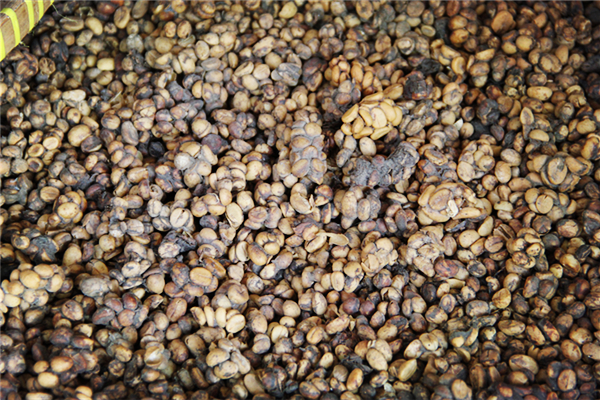
The Asian palm civets, which resemble small raccoons, are nocturnal and primarily eat fruits, insects, and small animals—but they show a strong preference for ripe, sweet coffee cherries. Their keen sense of smell leads them to select only the best-quality beans. They consume the fruit flesh but leave the inner coffee seeds largely untouched, though these seeds do undergo some fermentation during digestion.
How Is Kopi Luwak Processed?
Once collected, the excreted coffee beans go through several meticulous steps:
- Cleaning: The beans are washed multiple times to remove all contaminants. This step alone can take considerable time to ensure purity.
- Manual Husk Removal: Unlike machine hulling, workers remove the outer pulp and parchment layers by hand. Mechanized processes risk damaging the beans and altering their flavor. The discarded husks are sometimes repurposed into pillows.
- Secondary Washing: A specialized coffee bean washing machine is used, and each batch is typically cleaned for around two hours.
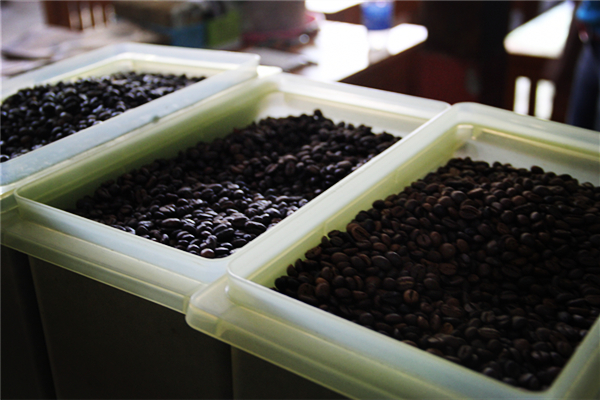
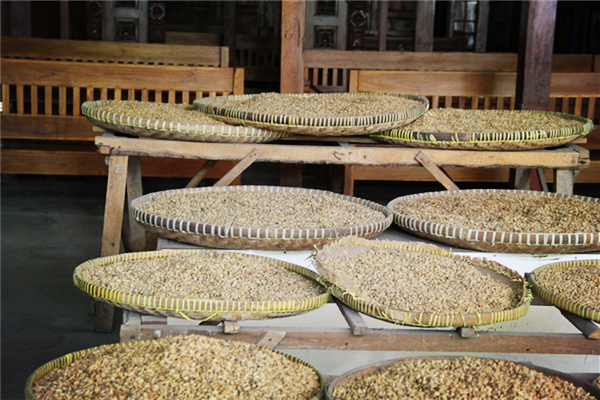
- Drying and Roasting: After washing, the beans are air-dried and then roasted. The roast level influences flavor development, while storage time can darken the beans slightly due to oxidation and natural oil surfacing.
During a tasting session at the MATARAM workshop, visitors sampled beans of varying ages, noting subtle differences in flavor. The workshop owner, Mery, confirmed that while some international customers—including those from Canada and Japan—express strong interest and request mail orders, her shop primarily serves the domestic market and does not officially export.
How Much Does Kopi Luwak Cost?
A 100-gram pack of Kopi Luwak ground coffee sells locally for approximately 175 RMB (about $25 USD). While that may seem pricey compared to regular coffee, it’s relatively modest compared to global prices: In 2010, a 12-gram cup brewed from Kopi Luwak sold for 380 RMB (roughly $55) during the Shanghai World Expo, with only 12 cups available per day. In the U.S., prices can reach $1,200 per kilogram, and in the UK, a single cup goes for around £50.
Still, Kopi Luwak remains a niche product. Its high cost is attributed to the labor-intensive processing, limited supply, and the novelty factor. Some claim the digestive process reduces bitterness and enhances sweetness and aroma, though these effects are still debated among coffee experts.
What About the Ethics of Kopi Luwak?
A major controversy surrounds Kopi Luwak production. Reports of civets being caged and force-fed coffee cherries have drawn criticism and raised animal welfare concerns. However, the original method—where wild civets freely choose and eat ripe cherries—is not inherently unethical. The issue lies with unethical farming practices, not the concept of beans processed via civet digestion. The key is distinguishing between wild-collected and factory-farmed sources.
Frequently Asked Questions
What does Kopi Luwak mean?
Kopi Luwak translates from Indonesian as ‘civet coffee.’ ‘Kopi’ means coffee, and ‘Luwak’ refers to the Asian palm civet, the animal that eats and excretes the coffee beans used in the brew.
How is Kopi Luwak coffee made?
Kopi Luwak is made from coffee beans that are eaten by civets, fermented in their digestive tracts, and then excreted. The beans are collected, thoroughly cleaned, have their outer layers removed by hand, washed again, dried, and roasted to produce the final coffee.
Does civet coffee really taste different?
Yes, many drinkers report that Kopi Luwak has a smoother, less bitter flavor with a unique aroma. This is attributed to partial fermentation inside the civet’s digestive system, which alters the bean’s chemical composition.
Why is Kopi Luwak so expensive?
Kopi Luwak commands high prices due to the labor-intensive collection and processing, the limited number of beans that can be harvested, and its novelty as an exotic coffee. Prices can range from $25 for 100 grams locally to over $1,200 per kilogram in the U.S.
Is Kopi Luwak production ethical?
Ethical concerns mainly arise from civets being caged and force-fed in unethical farms. However, the traditional method involving wild civets that freely forage and select coffee cherries is not inherently unethical. The problem lies with bad actors, not the concept itself.
Where is Kopi Luwak produced in Indonesia?
Kopi Luwak is mainly produced on the islands of Java and Sumatra, with Yogyakarta (Jogjakarta) in Sumatra noted for high-quality production. Workshops like Kopi Luwak ‘MATARAM’ in Yogyakarta offer insights into the traditional production process.
Recommended FrontStreet Beans from Indonesia
For coffee lovers curious about Indonesian beans, try FrontStreet’s Lintong Mandheling, known for its herbal and woody notes with a sweet finish, or PWN Golden Mandheling, offering toasty, caramel, and chocolate complexity with a lasting sugary crema. Both are crafted from high-elevation beans using traditional wet-hulling methods. Freshly roasted within 5 days · Orders placed before 17:00 ship the same day · Next-day delivery across most of Guangdong Province.
FrontStreet Coffee is a long-established specialty coffee roaster in Guangzhou China, selling freshly roasted beans from its own farm in Yunnan as well as dozens of carefully selected single-origin beans from around the world for both pour-over and espresso. The products deliver consistently excellent quality and great value, with shipping within 24 hours. Guangzhou's FrontStreet Coffee shop is recommended by many coffee lovers, and the beans are now available online at the Tmall 。
Important Notice :
前街咖啡 FrontStreet Coffee has moved to new addredd:
FrontStreet Coffee Address: 315,Donghua East Road,GuangZhou
Tel:020 38364473