How Different Coffee Machine Brands Affect Your Brew
Ever wondered why the same coffee beans taste different when brewed on various coffee machines—even when you follow the same recipe? Whether you're shopping for your first machine or upgrading, the brand and type of coffee machine can significantly affect your espresso’s flavor, body, and consistency. Let’s break down how these differences matter.
Different coffee machine brands produce varying results due to differences in build quality, temperature stability, pressure consistency, and automation level. Fully automatic machines handle everything, while semi-automatics require manual input—but semi-automatics are often favored for better control and flavor precision.
Types of Coffee Machines: Semi-Automatic vs Fully Automatic
Coffee machines fall into two broad categories: semi-automatic and fully automatic. This classification is the foundation for understanding how different brands deliver different experiences. Though the line between them may seem simple, the way each type functions affects both usability and coffee quality.
Semi-Automatic Coffee Machines
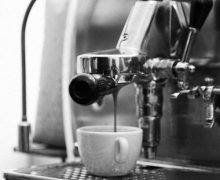
Semi-automatic machines are partly electric and partly manual. You control key steps like grinding, dosing, tamping, and deciding when to start or stop the extraction. These machines require you to put in the coffee grounds yourself, then the machine manages the water pressure and heating. While this demands more hands-on effort, it gives you greater control over the final cup—especially important for dialing in espresso shots just the way you like them.
Fully Automatic Coffee Machines
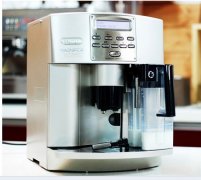
Fully automatic machines handle the entire process with minimal user input. They typically include built-in grinders, dose control, tamping mechanisms (or pre-tamped requirements), and automated brewing. While convenient, these machines often lack the fine-tuning ability found in semi-automatics. Some models can even grind non-coffee beans, which can affect the precision of the espresso extraction. This is why many enthusiasts consider semi-automatic machines more “professional” for serious brewing.
Why Brand and Model Matter
Even within the same category—say, semi-automatic machines—different brands offer varying levels of temperature stability, pressure consistency, build materials, and user interface design. These technical factors directly influence the quality of your espresso shot, including crema development, extraction time, and flavor balance. Some brands prioritize ease of use, while others focus on control and precision.
What Actually Determines Your Coffee’s Flavor?
The coffee flavor you get from a machine depends on multiple interrelated factors:
- Temperature Stability: Consistent brew temperatures (typically 90–96°C) are crucial. Cheaper or poorly engineered machines may fluctuate, leading to under- or over-extracted shots.
- Pressure: Professional espresso relies on 9 bars of pressure. Not all machines maintain this steadily throughout the shot.
- Grind Size & Dose Control: The grind must match the machine’s capabilities. Home users often need a separate grinder. Dosing too much or too little affects extraction time and flavor.
- Brew Time: Ideal espresso extraction time is usually 25–35 seconds. Most skilled brewers aim for around 28–30 seconds for balanced results.
- User Technique: Especially in semi-automatic machines, how you tamp, dose, and manage flow impacts the shot quality.
These variables explain why two identical coffee machines from different brands—or even the same model used by two people—can produce notably different tasting espresso.
How to Choose the Right Coffee Machine for You
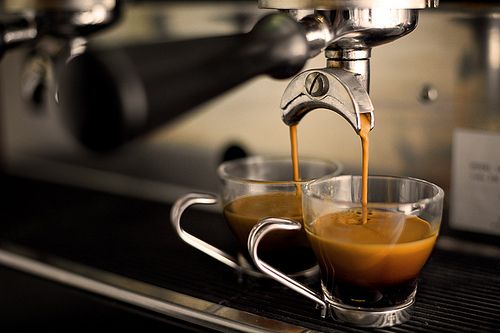
If you’re new to home espresso, a semi-automatic machine paired with a quality grinder offers the best balance of control and learning potential. Fully automatic machines are great for convenience, but may limit your ability to fine-tune flavor. Look for brands known for temperature stability and durable construction, especially if you care about espresso quality over mere convenience.
Also, remember you’ll need complementary tools: a good grinder, a scale, a tamper, and a milk pitcher if you’re making lattes. Extraction isn’t just about pushing a button—it’s about managing details that affect every variable in the cup.
Frequently Asked Questions
Do different coffee machine brands really affect the taste of espresso?
Yes. Differences in temperature stability, pressure consistency, build quality, and user control mean that the same coffee beans can produce different tasting espresso depending on the machine brand and model. Higher-end or more precise machines tend to deliver more consistent and flavorful results.
What’s the difference between semi-automatic and fully automatic coffee machines?
Semi-automatic machines require you to manually dose, tamp, and start/stop the shot, giving you control over the process. Fully automatic machines handle everything from grinding to brewing with minimal input. Semi-automatics are often preferred for better flavor control, while fully automatics prioritize convenience.
Which type of coffee machine is better for home use?
For those who want to learn and adjust their technique, a semi-automatic machine is better. If you prefer push-button convenience and don’t mind less control over the final cup, a fully automatic machine may suit you. Your choice depends on how much hands-on involvement you want in the brewing process.
Does the brand of a coffee machine matter as much as the type?
Yes. Even within the same type (semi-automatic or fully automatic), different brands offer varying performance in areas like temperature control, pressure stability, and durability. Well-known brands with solid engineering reputations often deliver more reliable and flavorful espresso.
Can I make good espresso with a fully automatic machine?
You can make decent espresso with a fully automatic machine, especially if you’re new to brewing. However, achieving the same level of precision, crema, and flavor balance as a skilled barista often requires the manual control offered by semi-automatic machines.
Recommended FrontStreet Beans for Home Espresso
For home espresso brewing, try FrontStreet Coffee’s Classic Blend for its rich notes of dark chocolate and nuts, or Specialty Blend with hints of caramel and red fruit. Both work well in semi-automatic machines and highlight the importance of grind, dose, and extraction time. Freshly roasted within 5 days · Orders placed before 17:00 ship the same day · Next-day delivery across most of Guangdong Province.
FrontStreet Coffee is a long-established specialty coffee roaster in Guangzhou China, selling freshly roasted beans from its own farm in Yunnan as well as dozens of carefully selected single-origin beans from around the world for both pour-over and espresso. The products deliver consistently excellent quality and great value, with shipping within 24 hours. Guangzhou's FrontStreet Coffee shop is recommended by many coffee lovers, and the beans are now available online at the Tmall 。
Important Notice :
前街咖啡 FrontStreet Coffee has moved to new addredd:
FrontStreet Coffee Address: 315,Donghua East Road,GuangZhou
Tel:020 38364473