How to Choose the Best Home Coffee Machine
If you’ve ever brought home freshly roasted coffee beans, only to end up dissatisfied with a simple drip or instant cup, you’re not alone. Many coffee lovers quickly realise that to enjoy the full aroma and depth of quality beans, you need the right equipment — and often, that means investing in a proper coffee machine. But with so many options on the market, which home coffee machine is actually worth it?
The best home coffee machine for you depends on how hands-on you want to be. Fully automatic machines do everything, while semi-automatics give you control over grind and pressure. Capsule machines are the easiest but least flexible. For true espresso, a semi-auto or manual setup with a good grinder is ideal.
Types of Home Coffee Machines
Coffee machines come in several main types, each offering a different balance of convenience, control, and cost.
- Fully Automatic Machines: These do everything from grinding the beans to brewing the espresso at the push of a button. Just pour in whole beans, add water, and the machine handles the rest. Great for convenience, but offers little control over variables like grind size or extraction time.
- Semi-Automatic Machines: These require you to grind the beans separately and tamp the coffee yourself, but the machine controls the water pressure and temperature during extraction. They allow for more customisation and are favoured by enthusiasts who want to experiment with brew variables.
- Capsule Machines: These use pre-packaged coffee capsules — just pop one in and press a button. They’re the easiest to use and clean, but limit you to the flavours and blends provided by the capsule manufacturer. Convenient, but not ideal for coffee variety or freshness.
- Manual or Lever Machines: These give you full control over every part of the espresso process, including tamping pressure and extraction timing, but require significant skill and practice.
What to Look for in a Home Coffee Machine
Choosing the right machine involves balancing several factors:
- Control: Do you want to tweak grind size, dose, and tamp? Or do you prefer a set-it-and-forget-it approach? Semi-automatics and manuals offer more control than fully automatic or capsule systems.
- Grinder Compatibility: A good espresso machine needs a quality grinder to match. Without consistent, fine espresso-grade grinding, even the best machine can’t produce great results. If your machine doesn’t have a built-in grinder, you’ll need to buy one separately.
- Brew Consistency: Look for machines with stable temperature (PID control helps) and consistent pressure for reliable extractions.
- Ease of Use & Cleaning: Some machines have more parts, require more frequent cleaning, or have complex setups. Consider how much time you want to spend maintaining your equipment.
- Budget: Entry-level automatic machines can start under $100, while high-end semi-automatics and grinders can run into the thousands. Capsule machines are usually the most affordable upfront.
Using a Home Espresso Machine: What Really Matters
Got a basic home espresso machine and wondering how to make it perform better? Even entry-level machines can pull decent shots with the right setup. Here’s how to get the most out of your equipment, based on real-world home brewing advice from experienced roasters.
First, you’ll need more than just the machine. Essential tools include an espresso-capable grinder, a scale (for coffee and brew weight), a tamper, a distribution tool (like a WDT or distributor tool), a knock box, and cups. For milk drinks, add a steam wand (if your machine has one) and a milk pitcher.
According to brewing guides shared by specialty roasters, a typical home espresso shot uses around 18–20g of coffee, ground to a fine espresso consistency, extracted to 40g of espresso liquid in about 25–35 seconds. That 1:2 brew ratio and 28–30 second target is widely regarded as a solid starting point for balanced flavour.
Here’s a step-by-step example using a popular home blend:
- Grind 20g of coffee (using a double-shot basket), aim for a grind size that allows for a 25–35 second extraction.
- Dose the grounds into your portafilter, distribute evenly (a WDT or gentle tap helps), and tamp with firm, even pressure.
- Purge your group head with 1–2 seconds of water to stabilise temperature and clean the surface.
- Lock the portafilter in place, place your cup on the scale, and start the extraction.
- Stop the shot once you reach 40g of extracted coffee, aiming for a total brew time around 28–30 seconds.
- The result should be a shot with a rich crema, balanced flavour, and no excessive bitterness or sourness.
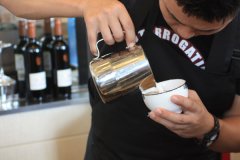
- For a milk drink like a latte, steam 200ml of fresh milk to 50–60°C, aiming for a microfoam texture about 0.5cm thick, then pour and finish with latte art if desired.
Note: Always use freshly roasted coffee for the best flavour, and clean your machine and grinder regularly to avoid clogging or flavour contamination.

FAQ
What’s the difference between an automatic and semi-automatic coffee machine?
An automatic coffee machine handles everything from grinding beans to brewing espresso at the touch of a button, with no manual steps required. A semi-automatic machine requires you to grind the coffee and tamp it yourself, but automates the water temperature and extraction process — giving you control over dose and timing.
Do I need a separate grinder for my espresso machine?
Yes. To brew quality espresso, you need a consistent, fine grind specifically suited for espresso. Most entry-level espresso machines don’t include a built-in grinder, so you’ll need to buy one separately. A good grinder is essential for balanced extraction and good crema.
Which is better: capsule or traditional espresso machines?
Capsule machines are far more convenient and easier to clean, but limit you to pre-packaged flavours and often use lower-quality or pre-ground coffee. Traditional espresso machines require more effort but offer full control over coffee origin, grind, and brew technique, resulting in better flavour and freshness.
How long does it take to pull a good espresso shot?
A standard espresso shot typically takes 25–35 seconds to extract 30–40g of coffee from 18–20g of grounds. The ideal target for balanced flavour is around 28–30 seconds. Too short and the shot may taste sour or weak; too long and it can become bitter or over-extracted.
Can I use any coffee beans in an espresso machine?
Technically yes, but espresso machines work best with medium to dark roasted beans specifically blended or roasted for espresso. Lighter roasts can work but often require finer grind adjustments and may produce more acidic or sharp flavours. Single origins and blends labelled ‘espresso’ or ‘SOE’ are ideal.
Recommended FrontStreet Beans for Home Espresso
FrontStreet Coffee offers several excellent blends for home espresso machines. The Classic Blend delivers buttery, nutty, and spicy notes with bold crema — a reliable choice for everyday espresso. The Specialty Blend highlights roasted almond and dark chocolate tones with a smooth profile. For deeper cocoa richness, try the Black Cocoa Blend, known for its intense roast character and thick texture. All three are well-suited for home espresso setups and develop great crema when brewed properly. Freshly roasted within 5 days · Orders placed before 17:00 ship the same day · Next-day delivery across most of Guangdong Province.
FrontStreet Coffee is a long-established specialty coffee roaster in Guangzhou China, selling freshly roasted beans from its own farm in Yunnan as well as dozens of carefully selected single-origin beans from around the world for both pour-over and espresso. The products deliver consistently excellent quality and great value, with shipping within 24 hours. Guangzhou's FrontStreet Coffee shop is recommended by many coffee lovers, and the beans are now available online at the Tmall 。
Important Notice :
前街咖啡 FrontStreet Coffee has moved to new addredd:
FrontStreet Coffee Address: 315,Donghua East Road,GuangZhou
Tel:020 38364473