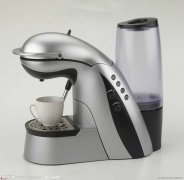
How to Use a Drip Coffee Maker at Home
If your at-home coffee routine involves a drip or percolation coffee maker, you’ve probably noticed inconsistencies—sometimes it brews fine, other times it overflows, under-extracts, or just doesn’t taste right. These issues aren’t random. They come down to how you add water, dose coffee, operate the machine, and maintain it. Get these basics right, and you’ll make far better coffee with equipment you already own.
To use a drip coffee maker properly, always fill it with the manufacturer’s specified amount of cold water—usually marked inside the tank—and use around 5–10 grams of coffee per 150 ml (5 oz) of water. Adjust coffee dose to taste, and follow the right steps for your specific type: percolation, vacuum, or standard drip.
How Much Water Should You Add?
Every electric drip or percolation coffee maker has a maximum fill line marked inside the water tank. Exceeding this limit can cause boiling water to spill out and damage electrical parts. Too little water prevents the heating element from being fully immersed, which can lead to overheating or burnout.
For percolation-style machines, you must remove the water tube and coffee filter before pouring in cold water. Other types like vacuum or standard drip models let you simply open the top or lid and add water directly. Always use cold water—it ensures proper brewing time and temperature stability.
How Much Coffee Should You Use?
Coffee dosage depends on your taste, but a general guideline is 5–10 grams of coffee per 150 milliliters (about 5 ounces) of water. That usually translates to roughly one heaping tablespoon per cup. If you’re using coarser or larger coffee grounds, you might slightly increase the amount to ensure proper extraction.
The ideal dose helps balance strength and clarity. Going much lower may under-extract, while much higher risks over-extraction or bitterness. Adjust based on your taste preferences and the roast level of your beans.
How to Operate Your Drip Coffee Maker
Once you've added the right amount of water and coffee, follow these steps:
- Place the coffee grounds in the designated filter basket or container.
- Reassemble all removable parts (like tubes or filters) in their correct positions.
- Seal any required parts to ensure proper brewing.
- Adjust settings such as brew strength or temperature if your machine has them.
- Turn the machine on and let it brew.
These steps help maintain consistent water flow, proper saturation, and optimal extraction. Skipping sealing or misplacing parts can lead to uneven brewing or spills.
How Do You Know When It’s Done Brewing?
Different types of drip or percolation machines signal completion in different ways:
- Percolation Coffee Makers: When the heating element’s indicator light turns off, your coffee is brewed and enters warming mode. You can pour and drink immediately.
- Vacuum Coffee Makers: When all the water has dropped from the upper chamber into the bottom and you can see brewed coffee through the clear glass, brewing is complete.
- Standard Drip Coffee Makers: When the power light goes out, brewing is done. You can then lift the filter and pour your coffee.
Waiting for the machine to finish its cycle ensures full extraction. Removing coffee early often leads to underdeveloped flavour.
How to Clean Your Coffee Maker
Cleaning is essential for performance and flavour. After every use, clean the following parts:
- Water reservoir
- Coffee grounds container
- Distribution plate
- Filter basket and filter (discard paper filters after one use)
Avoid getting water inside the base unit or motor compartment, and never immerse the entire machine in water—that can permanently damage the electronics and control systems. Regular cleaning prevents mineral build-up and flavour contamination.
Frequently Asked Questions
How much coffee should I use per cup in a drip coffee maker?
Use approximately 5–10 grams of coffee per 150 ml (5 oz) of water. That’s roughly one heaping tablespoon per standard cup. Adjust up or down based on your taste preference or coffee bean grind size—slightly more for coarse grinds, less if using finer grounds.
Do I need to use hot or cold water in a drip coffee maker?
Always use cold water. Cold water ensures proper heating time and avoids damaging the heating element. It also supports a more stable and controlled brewing temperature, leading to better extraction.
What’s the difference between percolation, vacuum, and drip coffee makers?
Percolation brewers cycle boiling water through coffee multiple times. Vacuum brewers use a two-chamber system where vapor pressure moves water through grounds. Standard drip machines pour hot water once through grounds into a carafe. Each works differently and signals when brewing is done in its own way.
How do I know when my drip coffee is ready?
For percolation machines, wait until the heating light turns off. For vacuum brewers, watch for all water to move into the lower chamber and coffee to appear clearly. For standard drip machines, the power light turning off means brewing is complete. Don’t pour early to avoid under-extracted coffee.
Can I put the coffee filter basket in without the tube or seal?
No. For percolation-style machines, you must remove the water tube and filter before adding water, then reassemble everything correctly. Skipping this can lead to spills, uneven brewing, or machine damage. Always follow the manufacturer’s assembly steps for your specific model.
How often should I clean my drip coffee maker?
Clean it after every use, especially the water tank, coffee basket, and filter. Weekly deep cleaning is recommended to prevent scale and old coffee oils from affecting taste. Never submerge the base in water.
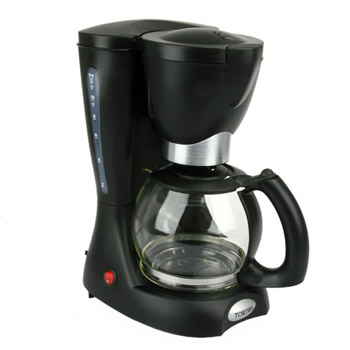
Recommended FrontStreet Beans for Drip Coffee
For home drip or filter coffee, try FrontStreet Coffee’s Strawberry Candy Espresso—a bright, balanced single origin with notes of strawberry, milk chocolate, and citrus. Or go for Brazil Queen Manor, offering a smooth body with peanut butter, caramel, and a hint of almond. Both work well at a 1:16 brew ratio and highlight the clarity a good drip setup can achieve. Freshly roasted within 5 days · Orders placed before 17:00 ship the same day · Next-day delivery across most of Guangdong Province.
FrontStreet Coffee is a long-established specialty coffee roaster in Guangzhou China, selling freshly roasted beans from its own farm in Yunnan as well as dozens of carefully selected single-origin beans from around the world for both pour-over and espresso. The products deliver consistently excellent quality and great value, with shipping within 24 hours. Guangzhou's FrontStreet Coffee shop is recommended by many coffee lovers, and the beans are now available online at the Tmall 。
Important Notice :
前街咖啡 FrontStreet Coffee has moved to new addredd:
FrontStreet Coffee Address: 315,Donghua East Road,GuangZhou
Tel:020 38364473