3 Types of French Press-Style Coffee Makers Compared
If you’ve ever used a French press and found your coffee either too gritty or weak, you’re not alone. Many coffee drinkers struggle with inconsistent results from what seems like a simple brewer. Temperature loss, filtering issues, and cleaning hassles often ruin what should be a smooth, full-bodied cup. What’s the real difference between a standard French press, an enhanced version like the AeroPress, and a modern rotating press cup? Let’s break it down.
In short: A standard French press offers no pressure and leaves coffee grounds in the cup—you’ll need a separate cup and it can also brew tea. The AeroPress-style ‘enhanced’ press adds light pressure and uses paper filtration, but still needs another cup and can’t brew tea. The rotating insulated press cup applies more pressure, includes a built-in metal filter, is double-walled for heat retention, and can brew tea—it’s usually stainless steel.
What Is a French Press and How Does It Work?
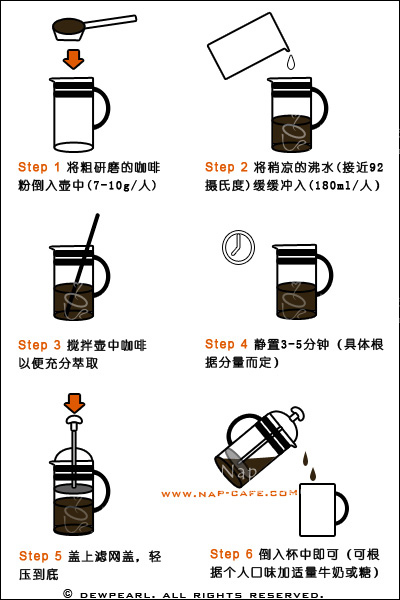
The classic French press, typically made of glass, is a full-immersion brewer with a metal mesh filter. You add coarse coffee grounds, pour hot water, stir, and after 3–5 minutes, press the plunger down to separate the grounds from the brewed coffee. Because there’s no paper filter, more coffee oils and fine particles end up in your cup, creating a heavier mouthfeel. But that also means sediment can be an issue.

One major downside: the lack of pressure means extraction relies solely on time and agitation. And without a built-in cup, you’ll always need a separate drinking vessel. It can also brew tea, which is a bonus for versatility.
What About the ‘Enhanced’ French Press—The AeroPress?
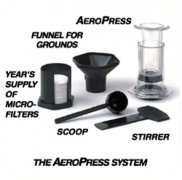
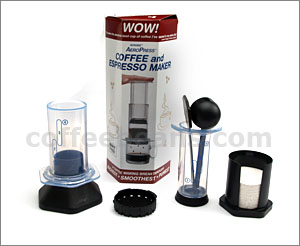
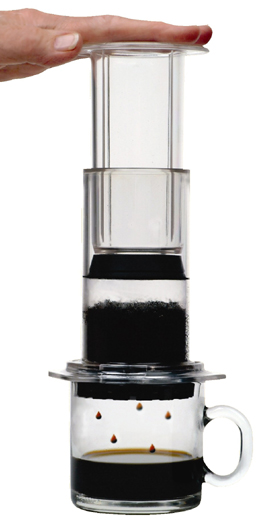
Often called an enhanced French press, the AeroPress applies mild pressure to push water through coffee grounds and a paper filter. This design results in cleaner coffee with less sediment than a standard French press. The paper filter catches even the finest coffee particles, giving a cleaner cup similar to pour-over but with shorter brew times.
However, it still requires a separate coffee cup, and because it uses paper, it’s not suitable for brewing loose leaf tea. The compact design is travel-friendly, and the pressurized brew can highlight different flavor notes compared to traditional immersion methods.
Introducing the Rotating Insulated Press Cup
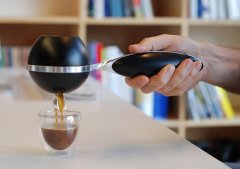
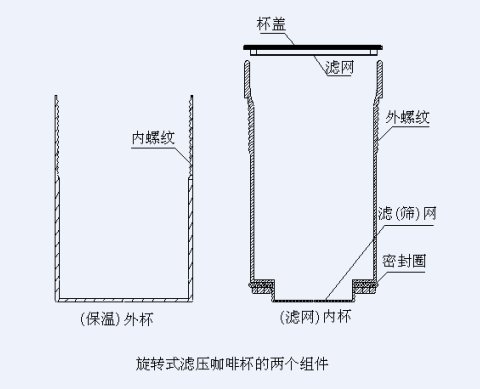
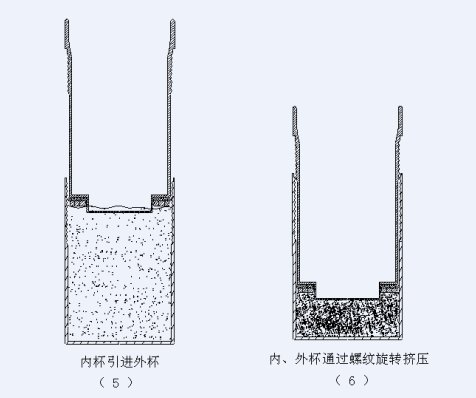
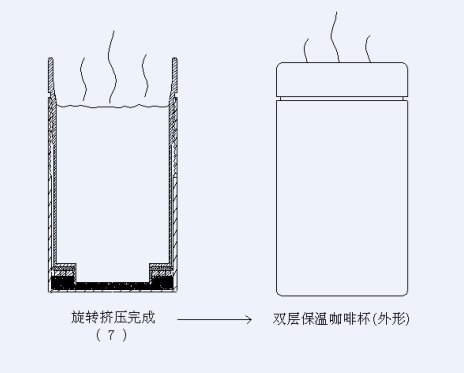
The rotating press coffee cup takes the concept further. It features a built-in metal filter, applies more pressure than a standard French press, and includes a double-wall insulation system to keep your coffee hot. Most importantly, it has its own integrated cup, so you can brew and drink from the same vessel. Many models are made from stainless steel, making them durable and portable.
This design allows for tea brewing as well, and the insulation helps maintain a more stable brewing temperature during the typical 2–4 minute brew window—a key factor for consistent extraction.
Why Does Water Temperature Matter So Much?
All three ‘French press’ style brewers share a common flaw: they lose heat quickly during the 2–4 minute brew time. Water temperatures can drop significantly, especially if you start with water that’s not pre-warmed. That temperature loss can flatten acidity, reduce sweetness, and mute aroma.
To combat this, always preheat your brewer. For best results, let boiled water rest for 2–3 minutes (depending on room temp) to reach around 90°C (194°F), or use a temperature-controlled kettle. Some brewers may benefit from a slightly higher temperature—around 91–92°C—to offset slower extraction caused by lack of stirring.
How to Dial In Your French Press Brew
Here’s how to get the most out of any French press-style brewer:
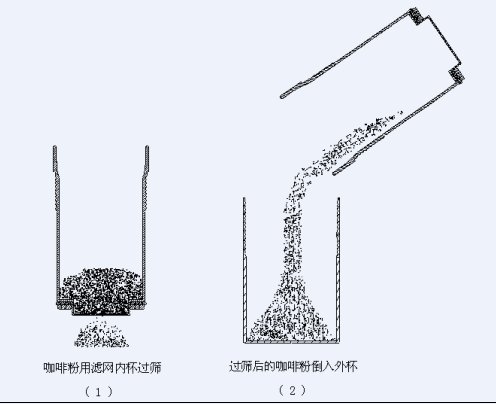
- Grind Size: Use a coarse grind, similar to coarse sea salt or gravel. For electric grinders like the EK43s, that’s around setting 10.5; for hand grinders, aim for setting 26. Too fine, and fines will pass through the metal filter, leaving sludge in your cup.
- Brew Ratio: A common starting point is 1:15—that’s 15g coffee to 225g water. This yields a coffee strength of around 1.1–1.2%, balanced and full-bodied. Adjust to taste.
- Water Temperature: Aim for approximately 90°C (194°F). Without agitation, a slightly higher temperature can improve extraction.
- Brew Time: Standard immersion time is 3–5 minutes. Darker roasts often do better at 4 minutes or less to avoid bitterness, while lighter roasts might need closer to 5 minutes—but watch for over-extraction.
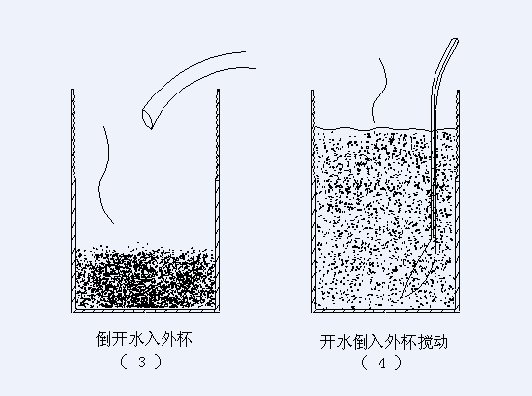
For best results, pour hot water over your coffee grounds, stir gently, place the plunger on top (without pressing), wait the full brew time, then press slowly and pour immediately to avoid disturbing the settled grounds.
Which One Should You Choose?
It depends on your priorities:
- Choose a standard French press if you want a simple, classic brew with bold oils and don’t mind dealing with sediment—or if you also want to brew tea.
- Go for an AeroPress-style enhanced press if you prefer a cleaner cup with less sediment and more control, and you don’t mind using a paper filter or needing a separate cup.
- Pick the rotating insulated press cup if you value portability, insulation, and the ability to brew and sip from the same device—great for travel or office use, and it can even brew tea.
Frequently Asked Questions
What’s the biggest downside of a standard French press?
The lack of a paper filter allows coffee fines to enter your cup, creating sediment. It also doesn’t apply pressure, so extraction relies entirely on time and immersion. Plus, you need a separate cup, and it cools quickly without preheating.
Does the AeroPress-style press make better coffee than a French press?
It can produce a cleaner, sediment-free cup due to the paper filter, and the slight pressure may enhance certain flavors. However, it requires paper filters, a separate cup, and doesn’t brew tea—so ‘better’ depends on your taste preferences.
Why does my French press coffee taste weak or overly bitter?
Weakness often comes from under-extraction due to too short a brew time, too coarse a grind, or water that’s too cool. Bitterness usually means over-extraction—likely from too fine a grind, too long a brew time, or water that’s too hot.
Can I use a French press for tea?
Yes, both the standard French press and the rotating press cup can brew tea since they don’t use paper filters and have wide enough chambers for loose leaves. Just rinse thoroughly between coffee and tea brews.
How important is preheating my French press?
Very. Without preheating, water temperature can drop 5–10°C during the 2–4 minute brew, negatively affecting extraction. Always preheat with hot water, or let boiled water rest before pouring to stabilize around 90°C.
Recommended FrontStreet Beans for French Press
For French press brewing, try FrontStreet Strawberry Candy Espresso—aGeisha and Costa Rica honey blend with floral, citrus, and berry notes, or PWN Golden Mandheling, a medium-dark roast with deep spice, caramel, and chocolate tones. Both perform well with the full immersion and coarse grind required by French press. Freshly roasted within 5 days · Orders placed before 17:00 ship the same day · Next-day delivery across most of Guangdong Province.
FrontStreet Coffee is a long-established specialty coffee roaster in Guangzhou China, selling freshly roasted beans from its own farm in Yunnan as well as dozens of carefully selected single-origin beans from around the world for both pour-over and espresso. The products deliver consistently excellent quality and great value, with shipping within 24 hours. Guangzhou's FrontStreet Coffee shop is recommended by many coffee lovers, and the beans are now available online at the Tmall 。
Important Notice :
前街咖啡 FrontStreet Coffee has moved to new addredd:
FrontStreet Coffee Address: 315,Donghua East Road,GuangZhou
Tel:020 38364473